
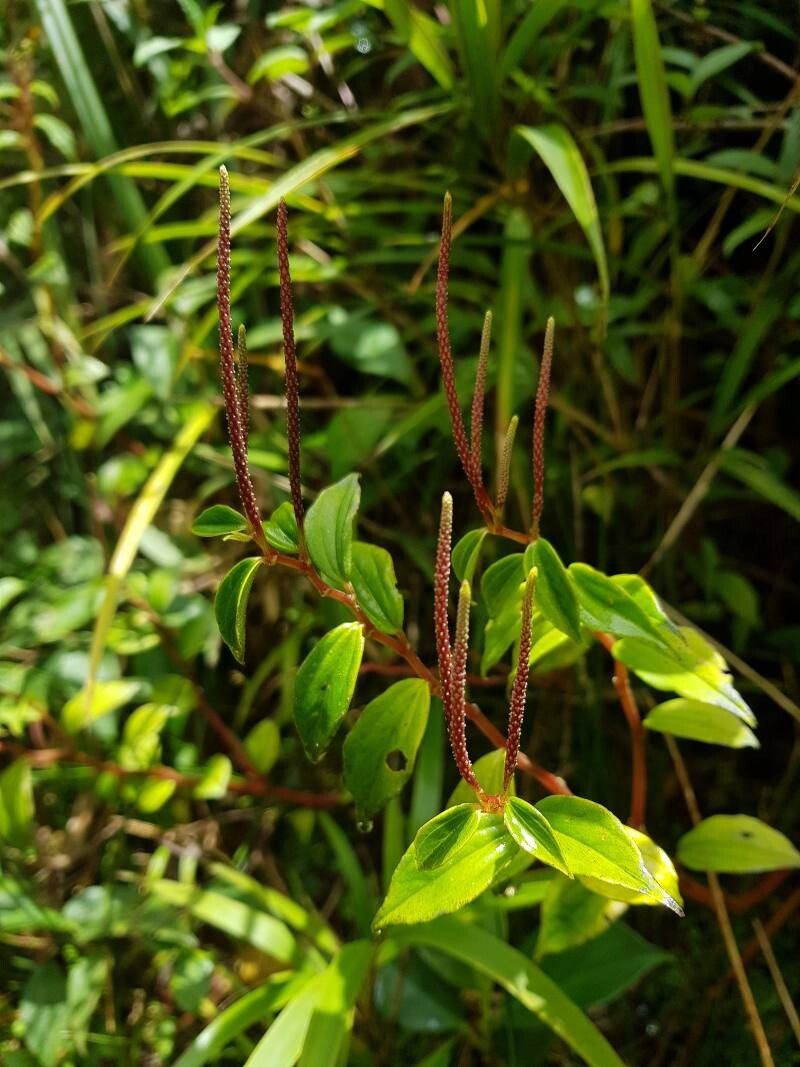
Propagating the Emerald Ripple Peperomia: A Gardener’s Guide
Introduction:
Peperomia elata, commonly known as the Emerald Ripple Peperomia or Emerald Ripple Plant, is a captivating houseplant cherished for its distinctive, deeply veined, emerald-green leaves. Its relatively compact size and tolerance of low-light conditions make it a popular choice for indoor gardens, terrariums, and even hanging baskets. While readily available commercially, propagating Peperomia elata offers a rewarding experience for plant enthusiasts, allowing for expansion of collections and the sharing of this beautiful plant. However, propagation can present unique challenges due to the plant’s specific growth habits.
Seed Germination:
Currently, there are no known reliable methods for seed germination propagation of Peperomia elata. While some Peperomia species may produce seeds, P. elata is primarily propagated vegetatively, meaning from existing plant parts.
Cuttings:
Challenges: Peperomia elata cuttings can be somewhat slow to root, requiring patience and consistent care. Rot is a significant risk, especially if the cuttings aren’t properly aired and kept in a humid environment.
Practical Tips: Stem cuttings are the most successful method. Take 3-4 inch cuttings from healthy stems, just below a leaf node. Remove lower leaves to prevent rot. Dip the cut end in rooting hormone (optional but recommended) and insert them into a well-draining propagating mix (e.g., perlite and peat moss). Maintain high humidity by covering the cuttings with a clear plastic bag or dome. Place them in bright, indirect light. Keep the mix consistently moist but not soggy. Root formation typically takes several weeks to a couple of months.
Rewards: Cuttings offer a relatively straightforward method for multiplying your existing plant, maintaining its exact genetic characteristics and allowing for quick expansion of your collection.
Division:
Challenges: Peperomia elata doesn’t naturally produce many offsets or easily separable sections. Overly aggressive division can damage the mother plant.
Practical Tips: Division is best attempted when repotting a mature, well-established plant. Carefully examine the root system. If the plant has developed substantial branching, you may be able to gently separate sections containing several stems and roots. Ensure each division has a healthy root system and sufficient foliage. Repot each division in well-draining potting mix.
Rewards: Division offers a relatively quick propagation method for established plants, potentially producing multiple plants at once. It also allows for re-potting and revitalization of an overcrowded mother plant.
Tissue Culture:
Challenges: Tissue culture requires specialized equipment, a sterile environment, and a thorough understanding of plant tissue culture techniques. It’s a more advanced method unsuitable for the average home propagator.
Practical Tips: Sterile conditions and specific growth media (containing plant hormones) are essential. Small sections of plant tissue are cultured in a controlled environment to produce many plantlets.
Rewards: Tissue culture enables mass propagation and the potential for disease-free stock. However, the initial investment in equipment and skill is substantial.
Conclusion:
Propagating Peperomia elata presents various levels of challenge depending on the chosen method. While seed propagation isn’t feasible, cuttings offer the most accessible and reliable approach for home gardeners. Division offers a viable option for mature plants, while tissue culture remains a specialized technique best left to professionals or dedicated hobbyists with advanced skills and equipment. The rewards, however, are plentiful: the satisfaction of nurturing a small cutting into a thriving plant or dividing a beloved specimen into several, sharing the joy of these emerald ripples with friends and fellow plant lovers. Despite the hurdles, the successful cultivation of this beautiful plant from propagation is a testament to patience, care, and a deep appreciation for the wonders of the plant world. So, don’t be discouraged – embrace the challenge, and enjoy the triumphant journey of propagating your own Emerald Ripple Peperomia.