
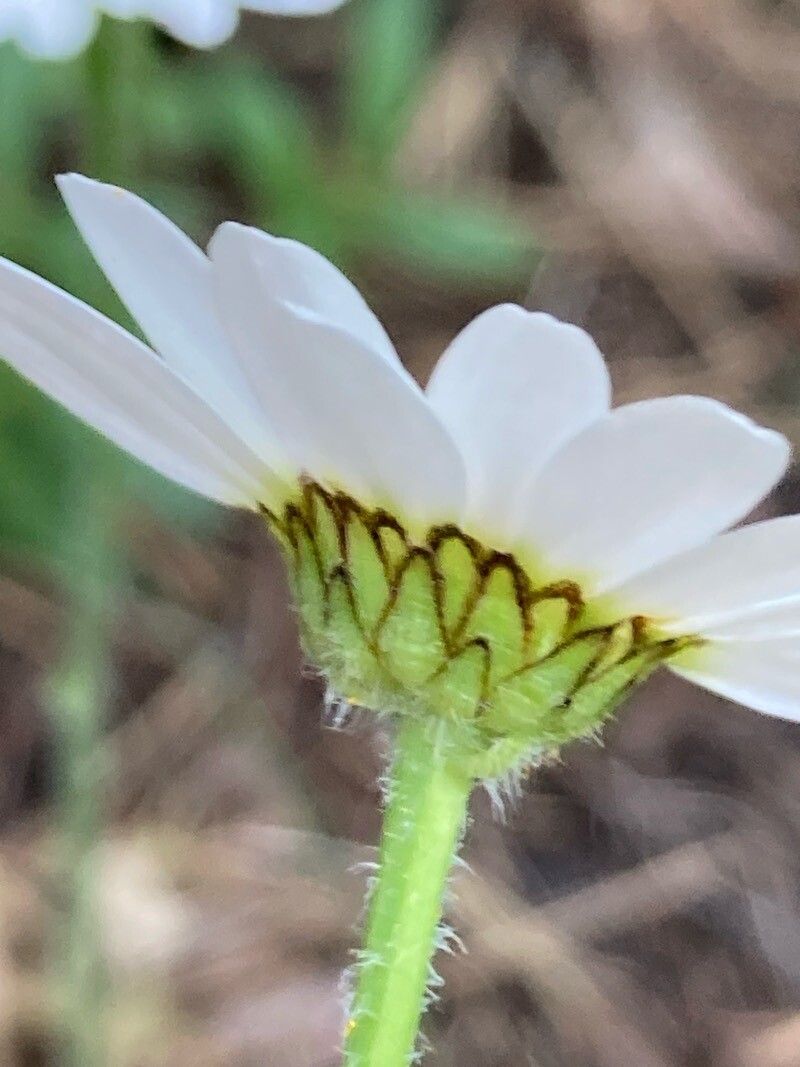
Propagating Leucanthemum cuneifolium: A Gardener’s Guide
Introduction:
Leucanthemum cuneifolium, commonly known as the wedgeleaf Shasta daisy or sometimes simply wedgeleaf daisy, is a charming perennial prized for its delicate, white daisy-like flowers and attractive, wedge-shaped leaves. Its compact habit and relatively long flowering period make it a popular choice for rock gardens, borders, and containers. While readily available commercially, propagating Leucanthemum cuneifolium adds a rewarding layer to cultivating this delightful plant. The propagation methods discussed below each offer unique challenges and rewards.
Seed Germination:
Currently, there are no known reliable methods for seed germination propagation of Leucanthemum cuneifolium. While the plant produces seeds, their germination rate is notoriously low, and successful propagation via seed is largely considered impractical for home gardeners. Further research into optimal germination conditions may be warranted, but for now, other methods are far more reliable.
Cuttings:
Cuttings offer a relatively straightforward method for propagating Leucanthemum cuneifolium.
Challenges: Success rates can vary depending on the timing and technique. Using softwood or semi-hardwood cuttings is crucial. Overwatering or inadequate rooting hormone can hinder rooting.
Practical Tips: Take 4-6 inch cuttings from non-flowering stems in early summer. Remove lower leaves, dip the cut end in rooting hormone, and plant in a well-draining, moist propagation mix (e.g., a peat-based mix). Maintain high humidity (e.g., by using a humidity dome) and warmth. Rooting usually takes several weeks.
- Rewards: Cuttings preserve the exact genetic characteristics of the mother plant, ensuring that the new plants faithfully reproduce desirable features like flower color and plant size. It’s a relatively quick method for producing several new plants.
Division:
Division is the most common and successful method for propagating Leucanthemum cuneifolium.
Challenges: Over-division can weaken the parent plant, so careful division is crucial. The best time for division is during the spring or fall when the plant is actively growing or entering dormancy.
Practical Tips: Gently dig up the established plant. Carefully separate the root ball into several smaller sections, each containing a healthy piece of rhizome and some roots. Replant the divisions with adequate spacing in well-prepared soil. Water thoroughly after planting.
- Rewards: Division is simple, effective, and requires minimal specialized equipment. It allows for the rapid increase of a desirable cultivar while keeping its genetic makeup constant.
Tissue Culture:
While not typically undertaken by home gardeners, tissue culture offers a method for large-scale propagation and the rapid multiplication of desired genotypes.
Challenges: Tissue culture requires specialized equipment, aseptic conditions, and knowledge of plant tissue culture techniques. It is a resource-intensive method not appropriate for home propagation.
Practical Tips: This method needs a controlled environment, sterile lab conditions, culture media with specific nutrients and hormones, and trained personnel.
- Rewards: Tissue culture provides the potential for mass production of disease-free plants, eliminating the risk of carrying over fungal or viral pathogens from the parent plant. It is extremely effective for the rapid expansion of rare or desirable cultivars.
Conclusion:
Propagating Leucanthemum cuneifolium presents unique challenges depending on the method selected. While seed propagation is unreliable, cuttings offer a reasonable alternative for home gardeners. Division, however, remains the most practical and successful method, balancing simplicity with high success rates. Tissue culture offers large-scale propagation but requires significant expertise and resources. The ultimate satisfaction of successfully propagating this delightful plant, whether through careful division or meticulous cutting propagation, stems from the active engagement with the plant’s life cycle and a deep appreciation for its unique botanical qualities. Regardless of the chosen method, patience and attention to detail are key ingredients for success. Don’t be discouraged by setbacks – persevere, learn from your experiences, and enjoy the rewards of cultivating your own wedgeleaf Shasta daisies.