
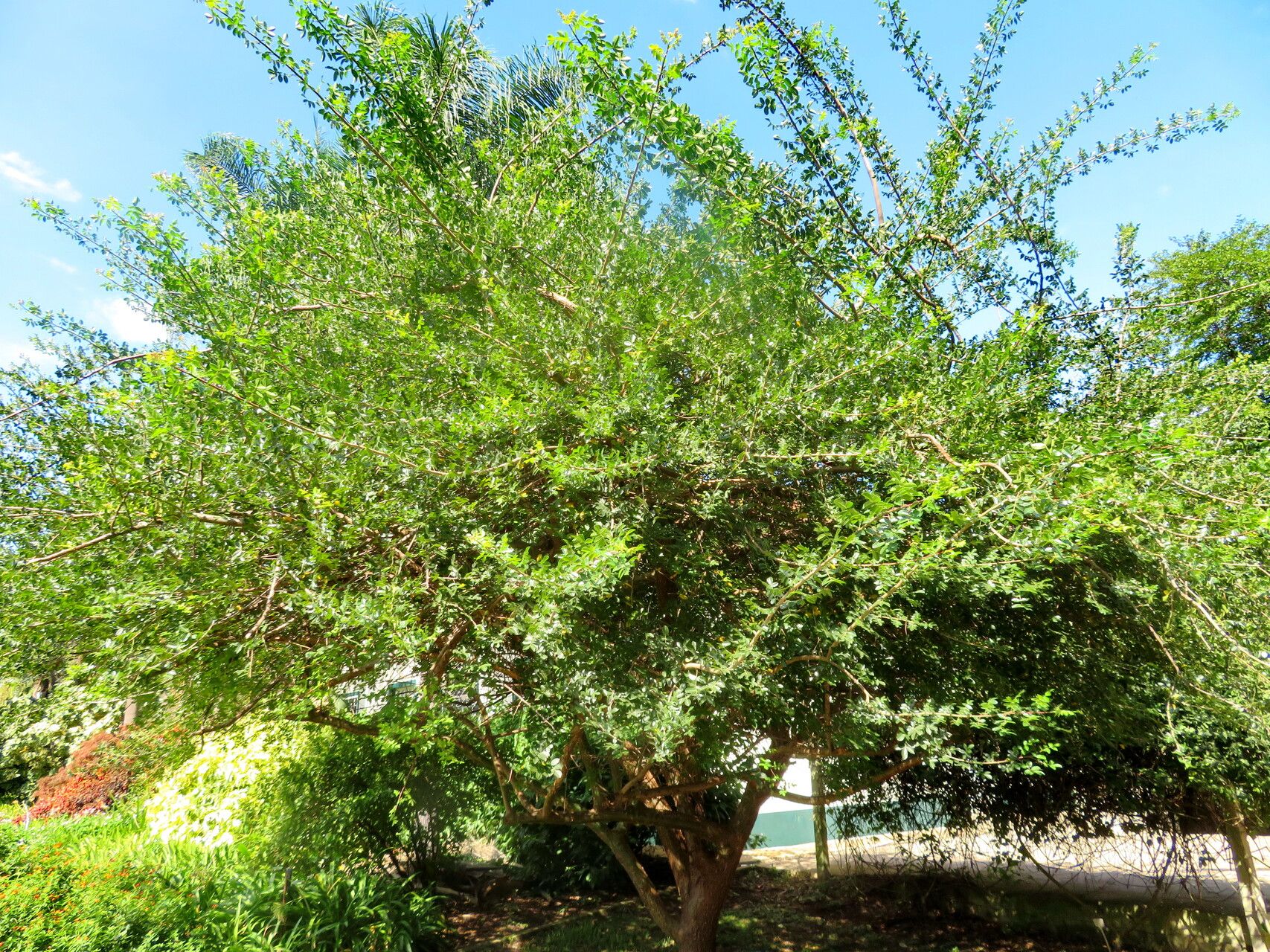
Propagating the Myrrh Tree: A Guide to Cultivating Commiphora leptophloeos
Introduction:
Commiphora leptophloeos, also known as the Myrrh tree (though this common name can refer to several Commiphora species), is a fascinating succulent tree prized for its unique, peeling bark, drought tolerance, and fragrant resin. Its gnarled branches and intriguing texture make it a highly sought-after plant among succulent enthusiasts and those interested in drought-tolerant landscaping. However, propagating this intriguing species presents unique challenges, making successful cultivation a rewarding experience for the dedicated gardener. While its popularity is growing, readily available propagation information remains limited.
Seed Germination:
Currently, there are no known reliable methods for seed germination propagation of Commiphora leptophloeos. While seeds may be produced, their viability and germination rate are exceptionally low, likely due to dormancy mechanisms or specific environmental requirements not yet fully understood. Further research into seed treatment techniques, including potential stratification methods (simulating cold winter periods), or the use of growth hormones, could pave the way for future seed propagation success.
Cuttings:
Cuttings offer a more promising approach to propagating Commiphora leptophloeos.
Challenges: The success rate of stem cuttings can be variable. The relatively slow growth rate of the species and propensity for fungal infection make successful rooting challenging.
Practical Tips: Semi-hardwood cuttings taken in late summer or early autumn, when the plant is actively growing but not at its peak, generally yield the best results. Cuttings should be approximately 4-6 inches long, with a clean cut at the base. The lower leaves should be removed to prevent rotting, and a rooting hormone application can significantly improve success rates. Cuttings should be planted in a well-draining succulent potting mix and kept in a warm, bright location with humidity, but not direct sunlight. A propagation dome or plastic bag can help retain moisture.
Rewards: Cuttings offer a straightforward method for propagating genetically identical plants, allowing for the preservation of desirable traits. This is particularly advantageous if dealing with a rare cultivar or a plant with exceptionally attractive characteristics.
Division:
Division is generally not a viable propagation method for Commiphora leptophloeos. The plant’s robust, deep taproot system makes separating it into smaller, viable sections extremely difficult and damaging to the parent plant.
Tissue Culture:
Tissue culture presents a potential, albeit advanced, method for propagating Commiphora leptophloeos.
Challenges: Establishing a successful protocol for Commiphora leptophloeos tissue culture requires specialized knowledge, sterile techniques, and access to appropriate lab facilities and media. Finding the optimal growth hormone combinations and infection control strategies are significant hurdles.
Practical Tips: Tissue culture necessitates aseptic techniques and the use of sterilised media with appropriate nutrient concentrations. Experienced plant tissue culture labs typically explore various combinations of plant growth regulators (auxins, cytokinins) to find the most effective formula.
Rewards: Tissue culture offers significant advantages. It allows for the rapid mass propagation of genetically identical plants, eliminates the risk of disease transmission found in other methods, and enables the preservation of rare or endangered genotypes.
Conclusion:
Propagating Commiphora leptophloeos presents a range of challenges, primarily due to its slow growth and susceptibility to infection. While seed germination remains unreliable, cuttings offer a feasible path to propagation for the average enthusiast, demanding patience and attention to detail. Tissue culture stands as a more efficient, albeit specialized, technique for mass propagation. The rewards, however, are significant: the successful cultivation of this unique tree brings a unique sense of accomplishment. Overcoming the difficulties and nurturing a healthy Commiphora leptophloeos from a cutting or, one day, possibly from seed, is a testament to dedication and horticultural skill, a source of genuine pride for any plant lover. Don’t be discouraged by initial setbacks; persistence and careful observation will ultimately lead to success.