
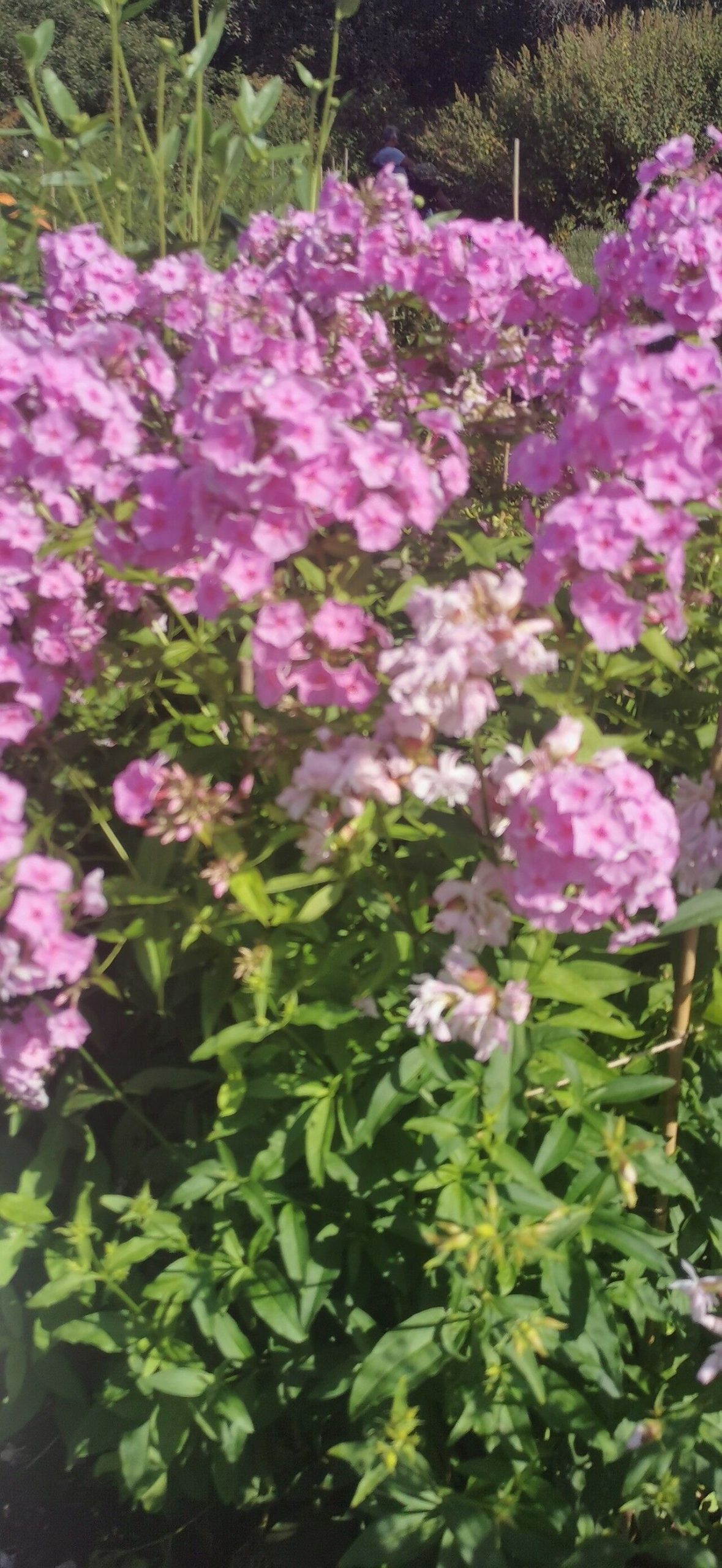
Propagating Phlox carolina: A Gardener’s Guide to the Wild Blue Phlox
Phlox carolina, commonly known as Wild Blue Phlox or Carolina Phlox, is a beloved native North American perennial prized for its vibrant clusters of blue, purple, or pink flowers. Its ease of cultivation and attractiveness to pollinators make it a popular choice for gardens, attracting both novice and experienced gardeners alike. However, while relatively easy to grow from established plants, propagation can present some unique challenges. This guide explores various methods for propagating Phlox carolina, weighing their viability and effectiveness.
Seed Germination:
Currently, there are no known reliable methods for seed germination propagation of Phlox carolina. While seeds may occasionally germinate under ideal conditions, the process is unpredictable and inconsistent, making it unsuitable for dependable propagation. The seed’s dormancy mechanisms and low germination rates hinder large-scale efforts.
Cuttings:
Cuttings offer a more reliable method for propagating Phlox carolina.
Challenges: Success relies heavily on timing and technique. Softwood cuttings taken in spring or early summer have the highest success rate. However, even then, rooting can be slow and require diligent care.
Tips: Take 4-6 inch cuttings from non-flowering stems, removing lower leaves to prevent rot. Dip the cut ends in rooting hormone and plant them in a well-draining moist mix (e.g., perlite and peat moss). Maintain high humidity using a propagator or plastic bag, providing adequate indirect light. Rooting typically takes several weeks.
Rewards: Cuttings preserve the exact genetic characteristics of the parent plant, ensuring the propagation of desirable traits. It’s a relatively straightforward method once mastered, ideal for propagating a smaller number of plants.
Division:
Division is arguably the most straightforward and reliable method for propagating Phlox carolina.
Challenges: This method is best suited for established plants, requiring some effort to carefully divide the root ball without damaging the individual crowns. Timing is crucial; early spring or fall is ideal.
Tips: Dig up the mature plant and gently separate the root crown into smaller sections, ensuring each division has sufficient roots and shoots. Replant the divisions immediately, spacing them appropriately to avoid overcrowding.
Rewards: Division is quick and efficient, enabling the rapid multiplication of plants with a high success rate. It’s the easiest method for most gardeners.
Tissue Culture:
Tissue culture presents an advanced propagation method for Phlox carolina.
Challenges: This technique requires specialized equipment, a sterile environment, and considerable expertise in plant tissue culture protocols. It’s not a practical option for the average gardener.
Tips: Establishing a viable protocol involves using appropriate growth media, sterilizing plant material, and maintaining aseptic conditions throughout the process. Specific media and hormone concentrations need careful optimization for Phlox carolina.
Rewards: Tissue culture allows for rapid and large-scale propagation, generating a high number of genetically uniform plants from a single parent. It can also be used to eliminate diseases and produce disease-free plants.
Conclusion:
While seed germination is unreliable for Phlox carolina, division offers the easiest and most effective method for most home gardeners seeking to increase their stock. Cuttings are a viable alternative but require more attention to detail. Tissue culture represents a highly advanced technique suited for commercial or research purposes. Despite potential challenges, the reward of nurturing these vibrant plants from cuttings or divisions, watching them thrive and bloom, offers a unique satisfaction that goes beyond merely acquiring a new plant. The effort involved only enhances the appreciation for the beauty and resilience of Phlox carolina. So, embrace the challenge – the stunning blooms are worth it!