
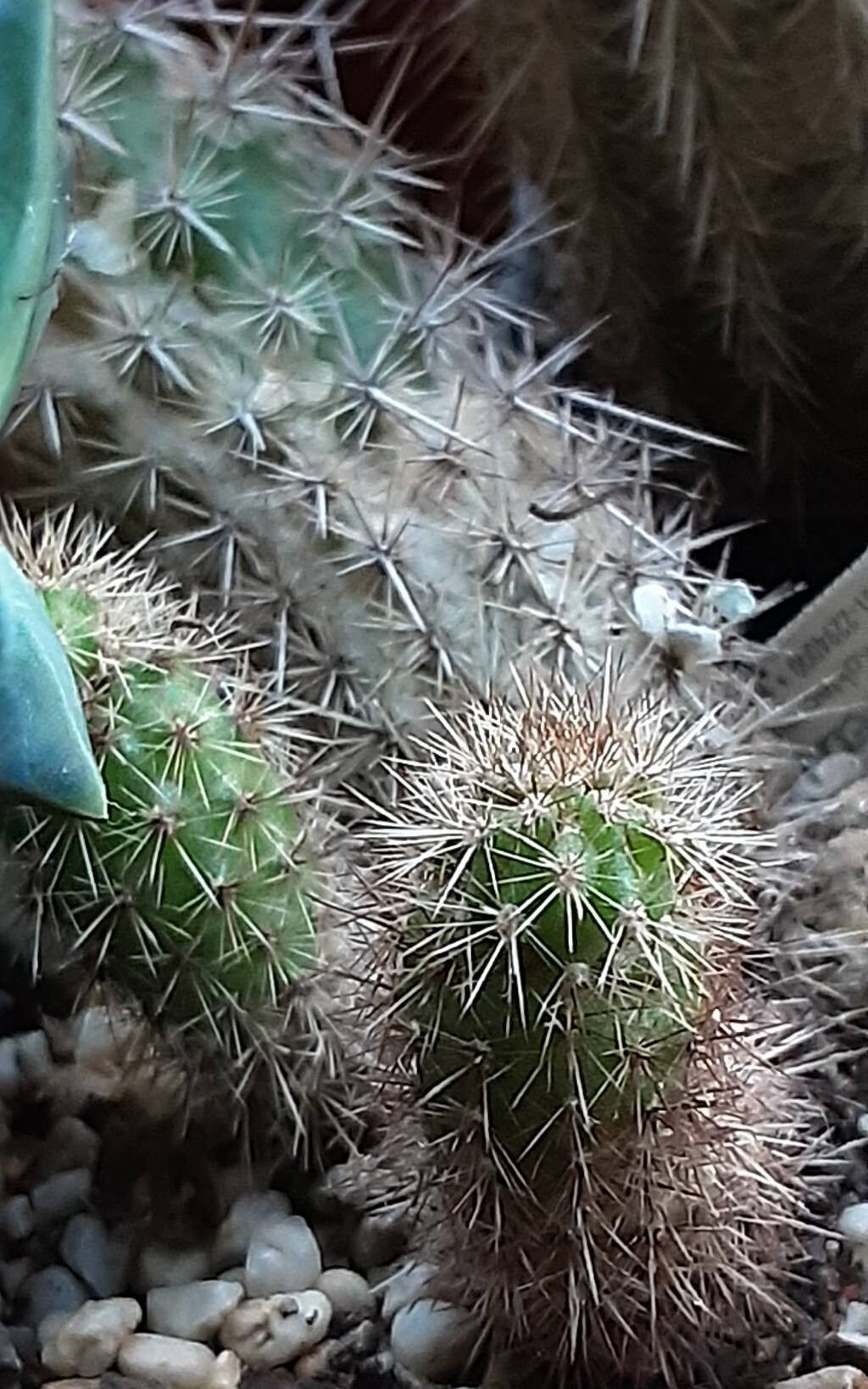
Propagating the Queen of the Night Cactus: A Guide to Loxanthocereus sextonianus
Introduction
Loxanthocereus sextonianus, sometimes called the Queen of the Night Cactus (though this common name is shared with other cacti), is a captivating columnar cactus native to Peru. Its striking appearance, characterized by its slender, ribbed stems and attractive reddish-brown spines, makes it a highly sought-after addition to any cactus collection. Its relatively slow growth and unique morphology add to its horticultural significance, fueling its popularity among enthusiasts. However, propagating this species presents certain challenges, making success all the more rewarding.
Seed Germination
Seed germination in Loxanthocereus sextonianus is a viable, albeit challenging, propagation method. The primary difficulty lies in the notoriously low germination rates often observed. Fresh seeds are crucial, as viability decreases rapidly.
Challenges: Low germination rates, susceptibility to fungal diseases in damp conditions.
Tips: Sow seeds in a well-draining cactus and succulent mix in shallow containers. Maintain a consistently warm temperature (around 25-30°C) and high humidity (using a propagator or humidity dome) but avoid overwatering, which leads to damping off. Slight stratification (a period of cool, moist storage) might enhance germination, though research on its effectiveness with L. sextonianus is limited. Avoid direct sunlight on the seedlings.
Rewards: Genetic diversity, the potential for large-scale propagation, and the satisfaction of growing a plant from seed.
Cuttings
Propagation from cuttings is a more reliable method than seed germination for Loxanthocereus sextonianus.
Challenges: Slow rooting, risk of rot if the cutting is not allowed to callus over properly before planting.
Tips: Use stem cuttings of at least 10-15cm in length. Allow the cut end to callus over for several days to a week before planting in a well-draining cactus potting mix. Plant cuttings shallowly, ensuring good drainage. Maintain a warm and bright environment, but avoid direct sunlight until the cutting is well-rooted. Avoid overwatering, which promotes rot.
Rewards: Faster propagation compared to seed germination, relatively high success rate if done correctly.
Division
Division is not a practical method for propagating Loxanthocereus sextonianus. This cactus does not produce easily separable offsets or pups.
Tissue Culture
Tissue culture is a potentially viable, though technically demanding, method for large-scale propagation of Loxanthocereus sextonianus. It requires specialized equipment, sterile conditions, and expertise in plant tissue culture techniques.
Challenges: Requires specialized knowledge, equipment, and a sterile environment. Contamination is a major risk.
Tips: Sterilization of all materials is crucial. Expertise in tissue culture techniques, including media preparation and subculturing, is essential.
Rewards: Large-scale production of genetically identical plants, rapid propagation, and the potential for disease-free stock.
Conclusion
Propagating Loxanthocereus sextonianus presents a unique set of challenges, but the rewards of successfully cultivating this stunning cactus are significant. While seed germination offers genetic diversity but suffers from low germination rates, cuttings provide a more reliable, albeit slower, means of propagation. Tissue culture offers a potential solution for mass propagation, but requires significant expertise and resources. The effort involved in propagating this species underscores its value and enhances the satisfaction derived from successfully growing it from seed, cutting, or tissue culture. For aspiring propagators, patience, attention to detail, and a thorough understanding of the specific needs of this cactus are key to success. Remember to always prioritize creating a well-drained environment to prevent rotting, a common peril for these plants. The journey may be challenging, but the beauty of a successfully propagated Loxanthocereus sextonianus makes it all worthwhile.