
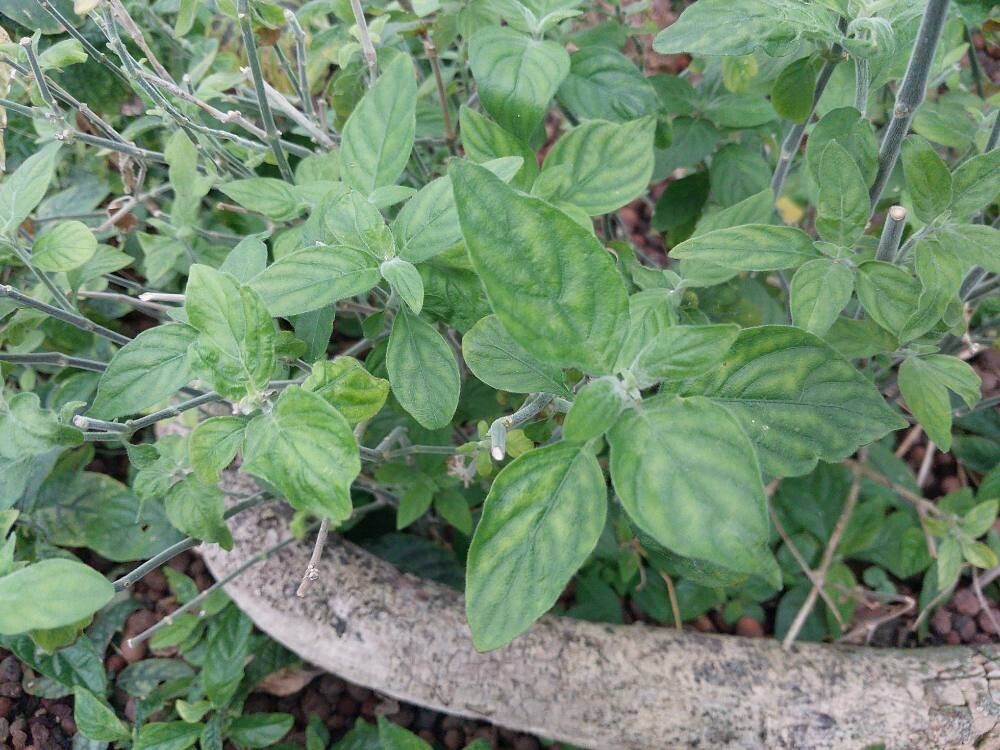
Propagating Justicia insularis: A Gardener’s Guide to the White Shrimp Plant
Justicia insularis, commonly known as the White Shrimp Plant, is a captivating tropical shrub prized for its unique, shrimp-like white bracts that contrast beautifully with its vibrant green foliage. Its relatively low maintenance and striking appearance have made it a popular choice among gardeners, particularly for adding a touch of exotic flair to containers, borders, and even indoor spaces. However, propagating this beauty can present some challenges. This article explores various propagation methods, weighing their viability and offering practical advice.
Seed Germination:
Currently, there are no known reliable methods for seed germination propagation of Justicia insularis. While the plant does produce seeds, their viability and germination rate are extremely low, making this method impractical for most gardeners. Further research into seed treatment and germination conditions might be fruitful for future propagation efforts, but for now, other methods are more reliable.
Cuttings:
This is the most commonly used and successful method for propagating Justicia insularis.
Challenges: The success rate can depend on timing and technique. Using older, woody stems can reduce the chances of rooting.
Practical Tips: Take semi-hardwood cuttings, about 4-6 inches long, from healthy, actively growing stems in spring or early summer. Remove lower leaves, dip the cut ends in rooting hormone, and plant in a well-draining potting mix (a mix of perlite and peat moss works well). Maintain high humidity (using a humidity dome or plastic bag) and consistent moisture. Rooting typically takes 4-6 weeks. Avoid overwatering, which can lead to rot.
Rewards: Cuttings offer a straightforward method to quickly increase the number of plants, maintaining the desirable characteristics of the parent plant.
Division:
Division is a viable option, but only for established, mature plants.
Challenges: Dividing the plant can be stressful and damage the root system if not done carefully. It’s also limited by the size and age of the parent plant.
Practical Tips: Divide the plant during its dormant period (if applicable in your climate) or early spring, ensuring each division has healthy roots and ample foliage. Plant the divisions immediately in well-draining soil, water gently, and provide shade until they establish themselves.
Rewards: Division allows for quick propagation of multiple plants, though limited by the parent plant’s size.
Tissue Culture:
Tissue culture offers the potential for large-scale propagation and the production of disease-free plants.
Challenges: This method requires specialized equipment, sterile conditions, and expertise in plant tissue culture techniques. It’s generally not feasible for the average home gardener.
Practical Tips: Aseptic techniques are crucial. Explants (small pieces of plant tissue) are cultured on a nutrient-rich agar medium under controlled environmental conditions. This process requires specialized knowledge and equipment best suited for a laboratory setting.
Rewards: Enables mass production of genetically identical plants, ensuring consistent quality and offering disease-free stock.
Conclusion:
Propagating Justicia insularis presents variable challenges depending on the chosen method. While seed germination remains unreliable, cuttings offer the most accessible and practical approach for home gardeners. Division is a reasonable option for mature plants, while tissue culture is best left to professionals or specialized nurseries. Despite the challenges, the unique beauty and relatively easy maintenance of the White Shrimp Plant make the effort worthwhile. The satisfaction of successfully propagating this stunning plant, especially from a cutting, is a testament to the gardener’s skill and patience, a reward in itself. So, gather your cuttings, embrace the challenges, and enjoy the journey of nurturing your Justicia insularis from propagation to flourishing maturity.