
Propagating the Prostrate Leucospermum: A Gardener’s Guide
Introduction:
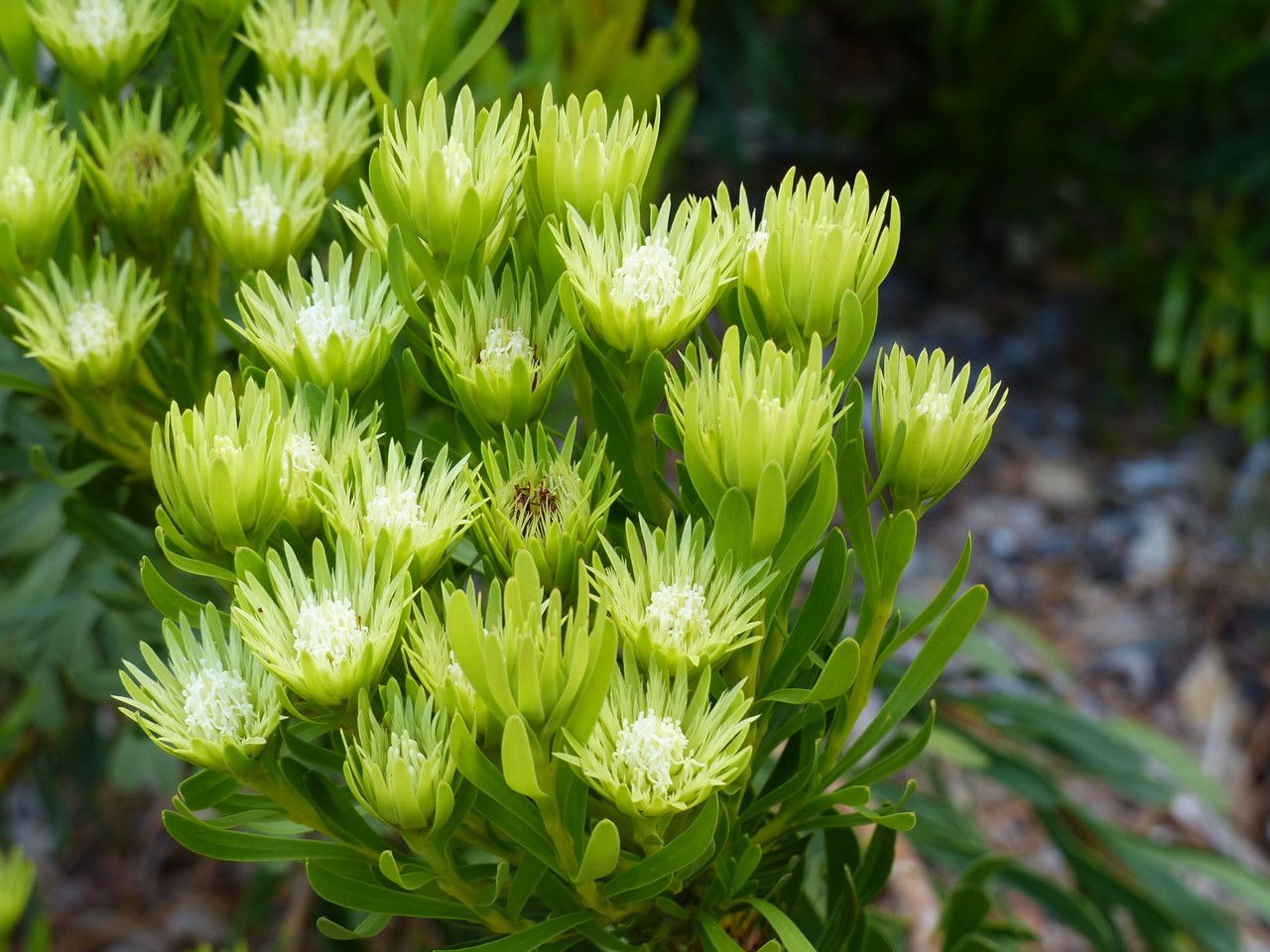
Leucospermum prostratum, also known as the prostrate pincushion or crawling pincushion, is a captivating groundcover shrub belonging to the Proteaceae family. Native to South Africa, it captivates gardeners with its vibrant, often orange or yellow, pincushion-like flower heads and its low, spreading habit. Its drought tolerance and adaptability make it a popular choice for rock gardens, slopes, and erosion control. However, propagation isn’t always straightforward, presenting a unique challenge and reward for the dedicated horticulturist. Unlike some Leucospermum species, vegetative propagation is often preferred due to seed germination complexities.
Seed Germination:
Currently, there are no known reliable methods for seed germination propagation of Leucospermum prostratum. While seeds may be produced, their germination rate is notoriously low, and successful germination under cultivated conditions remains largely undocumented. This is likely due to complex seed dormancy mechanisms and specific environmental requirements not easily replicated outside its natural habitat.
Cuttings:
Challenges: While cuttings offer a more reliable method than seed germination, success is not guaranteed. The right timing, type of cutting, and hormone application are crucial. Rotting is a common problem, particularly in humid conditions.
Practical Tips: Semi-hardwood cuttings taken in late spring or early summer are generally recommended. Use a sharp, clean blade to take cuttings of about 10-15cm, removing lower leaves to prevent rotting. Dip the cut end in a rooting hormone powder before planting in a well-draining, sandy propagation mix. Maintain high humidity (using a propagator or plastic bag) and moderate warmth, but avoid direct sunlight. A bottom heat mat can also improve success rates.
- Rewards: Cuttings offer a relatively quick way to produce genetically identical plants, preserving desirable characteristics of the parent plant. This method allows for rapid scaling up and propagation of especially appealing cultivars.
Division:
Challenges: Division is only viable when the plant is mature and has developed substantial underground stems that can be separated. Forcing division on young plants can be detrimental. Careful separation to avoid damaging roots is paramount for success.
Practical Tips: Divide the plant in late spring or early autumn, after flowering. Carefully dig up the mature plant and using a sharp knife or spade separate the stems ensuring each division has a sufficient root system. Replant the divisions immediately in well-prepared soil, ensuring that the root crowns are at ground level. Water thoroughly after planting.
- Rewards: Division provides a rapid increase in the number of plants, allowing the easy expansion of existing Leucospermum prostratum patches. It is a simple technique minimizing stress on the parent plant compared to cutting propagation.
Tissue Culture:
Challenges: This method requires specialized equipment, skills, and a sterile environment. It’s the most complex and expensive method, though potentially the most efficient for large-scale propagation. Establishing optimal culture media and growth regulators for Leucospermum prostratum would need thorough research and experimentation.
Practical Tips: Protocols for tissue culture of Leucospermum varieties are not widely available. Successful propagation would require extensive experimentation with different media, growth regulators, and sterilization techniques.
- Rewards: Tissue culture provides the opportunity for rapid and large-scale clonal propagation, preserving valuable genetic material and disease-free plants.
Conclusion:
Propagating Leucospermum prostratum presents unique challenges, with cuttings offering the most reliable method compared to the difficulties encountered with seeds. Division acts as a viable option for mature plants, while tissue culture, while highly efficient, presents substantial technical hurdles. The rewards, however, are immense: the satisfaction of cultivating this striking and resilient plant warrants the effort involved. While the initial steps might necessitate patience and perseverance, the stunning display of vibrant flowers makes the journey worthwhile for any dedicated gardener. Don’t be discouraged by initial setbacks; experiment with different techniques and learn from each attempt – the successful propagation of this groundcover jewel is a testament to your horticultural dedication.