
Propagating Mammillaria karwinskiana: A Gardener’s Guide
Introduction:
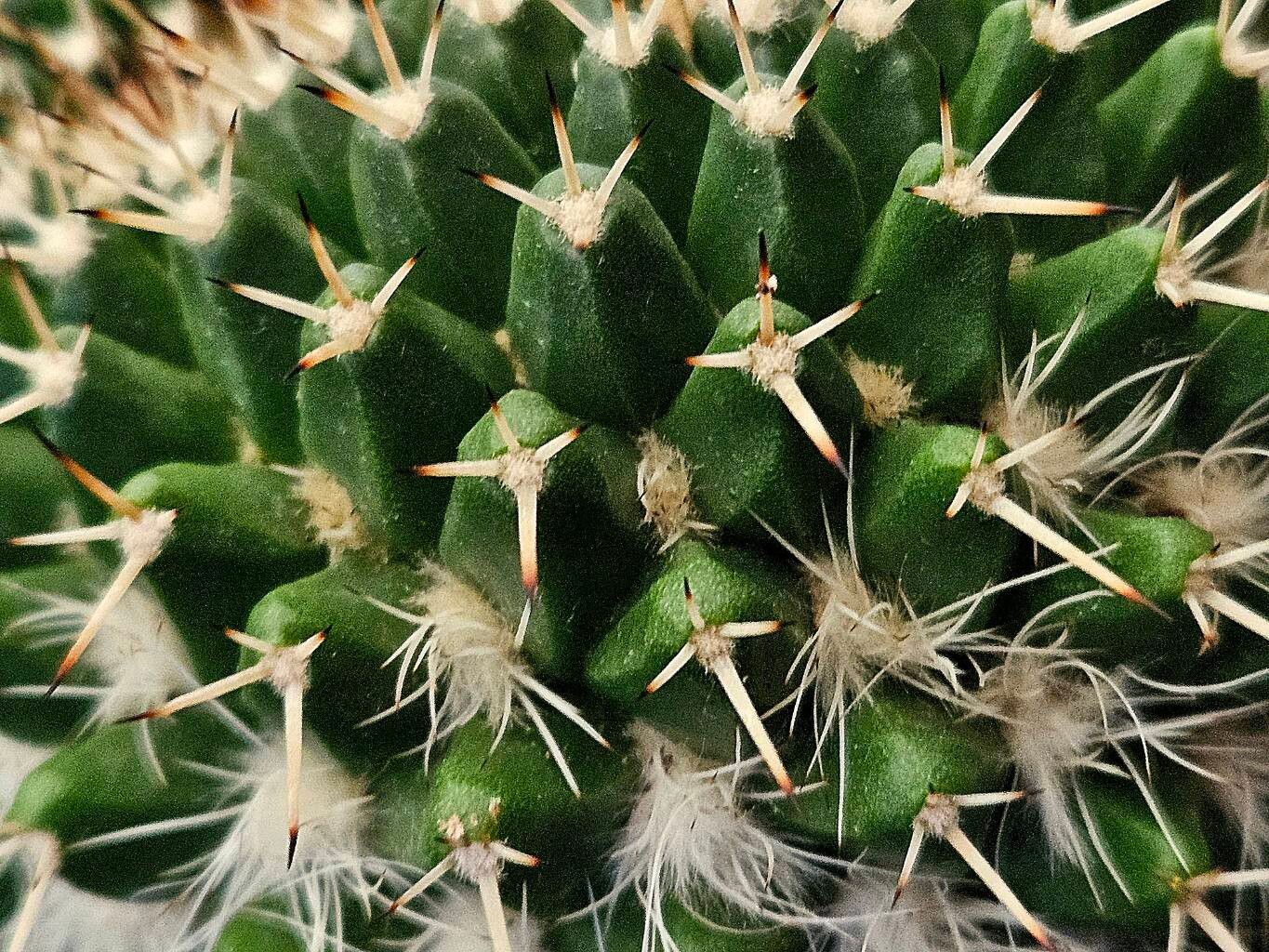
Mammillaria karwinskiana, also known as the Powder Puff Cactus or Fishhook Cactus, is a popular succulent prized for its attractive, densely clustered cylindrical stems covered in white, woolly spines, and its charming, relatively large pink or magenta flowers. Its tolerance of slight neglect and its relatively easy care contributes to its widespread appeal among cacti enthusiasts. However, propagation can present some unique challenges, making successful cultivation all the more rewarding. This article explores various propagation methods for Mammillaria karwinskiana, weighing their pros and cons.
Seed Germination:
Seed germination is a viable method for propagating Mammillaria karwinskiana, offering the reward of genetic diversity within your collection. However, it also presents some challenges.
Challenges: Seeds can be slow to germinate, requiring patience and optimal conditions. Fungal diseases can easily affect seedlings due to their susceptibility. Seedlings are also prone to damping-off, a fungal disease that kills young plants.
Practical Tips: Sow seeds in a well-draining cactus and succulent mix, ensuring good airflow. A warm temperature (around 70-75°F or 21-24°C) and bright, indirect light are crucial. Using a sterile seed-starting mix helps prevent fungal issues. Gentle misting to maintain moisture is preferred over excessive watering. Consider stratifying the seeds (placing them in a cool, moist environment for a period of time before sowing) although this isn’t strictly required for M. karwinskiana, it can improve germination rates.
- Rewards: Successfully germinated seeds allow for the propagation of many plants from a single seed pod, offering a high potential for expanding your collection. The genetic diversity resulting is also a significant advantage, particularly for those interested in selecting for specific traits within the species.
Cuttings:
Propagation via cuttings is generally not a reliable method for Mammillaria karwinskiana. These cacti generally do not readily root from stem or pad cuttings, and attempts often result in rot before rooting can occur.
Challenges: The high risk of rot, due to the cacti’s relatively high moisture content, significantly limits the success rate. Callusing the cut end – a common practice with propagating other succulents – isn’t generally effective with M. karwinskiana.
Practical Tips: Though attempts may be made, success is unlikely. Any cutting would need to be treated with a fungicide before planting and placed in exceptionally dry conditions.
- Rewards: Minimal to none; the incredibly low success rate outweighs the effort involved.
Division:
Division is a possible method, but limited to situations where the plant has naturally produced numerous clustered offsets.
Challenges: Mammillaria karwinskiana doesn’t readily offset compared to some other Mammillaria species. Even if offsets are present, carefully separating them without causing damage to either the parent plant or the offset is crucial for success. Improper separation often leads to rotting.
Practical Tips: Allow the offsets to grow to a reasonable size before separating them. Use a sharp, sterilized knife to cleanly separate the offset, ensuring a clean cut. Allow the cut ends to callus for a few days before planting in a well-draining substrate.
- Rewards: Successful division multiplies your plants quickly and effectively, resulting in a larger collection relatively easily, provided enough offsets are available.
Tissue Culture:
Tissue culture is a viable but complex method requiring specialized equipment and knowledge.
Challenges: Tissue culture techniques require sterile conditions, specialized media, and substantial expertise. It is considerably more complex and costly than other propagation methods.
Practical Tips: This technique should only be attempted by individuals with experience in plant tissue culture. It allows for the mass propagation of genetically identical plants, but the initial investment and technical expertise required are significant.
- Rewards: This technique allows for rapid and large-scale production of plants, making it useful for commercial propagation or expanding a collection very quickly.
Conclusion:
Propagating Mammillaria karwinskiana presents unique challenges depending on the chosen method. While seed germination offers the most genetic diversity but requires patience, division is the easiest for those with plants producing offsets. Cuttings are largely unreliable. Tissue culture offers mass propagation but demands expertise. The satisfaction of cultivating this charming cactus from seed or a carefully separated offset is amplified by the difficulties involved. The journey, filled with learning and the potential for setbacks, ultimately culminates in the pride of successfully nurturing these unique plants. For aspiring propagators, starting with seeds or division, if offsets are present, is strongly recommended. Remember patience, proper sanitation, and a well-draining medium are keys to success in propagating this rewarding species.