
Propagating Teucrium divaricatum: A Gardener’s Guide
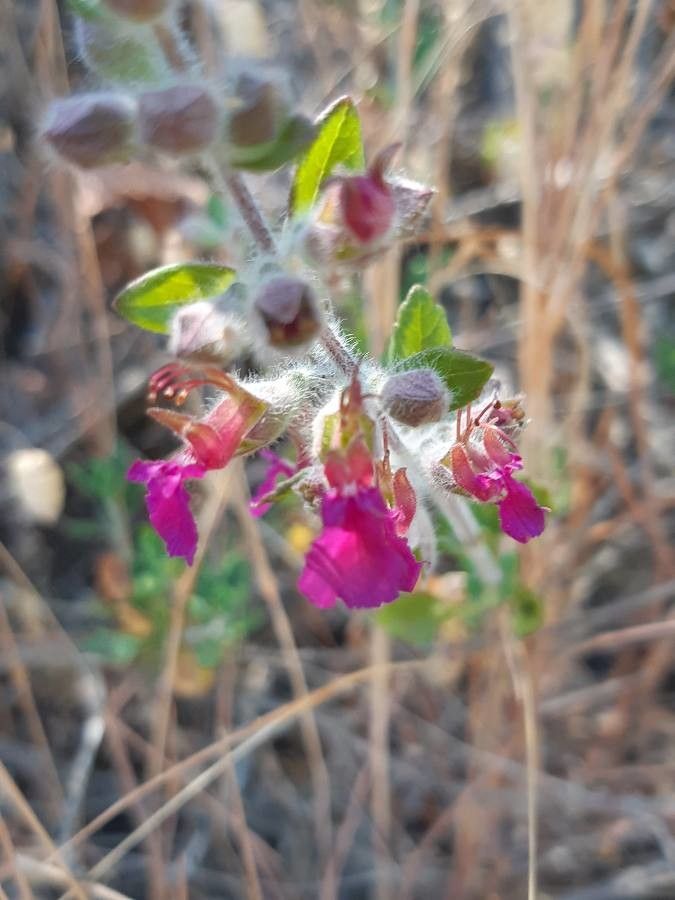
Teucrium divaricatum, commonly known as Diverging Germander or Spreading Germander, is a low-growing, drought-tolerant shrub prized for its silvery-grey foliage and profusion of delicate lavender-blue flowers. Its resilience and attractive appearance make it a popular choice amongst gardeners, particularly for rock gardens, borders, and xeriscaping designs. While relatively easy to maintain once established, propagation presents some unique challenges and rewards. This article explores different methods for propagating this intriguing plant.
Seed Germination:
Currently, there are no known reliable methods for seed germination propagation of Teucrium divaricatum. While seeds may be produced, their germination rate is extremely low and inconsistent, rendering this method impractical for most gardeners. Further research into specific germination requirements might be needed to unlock this potential propagation technique.
Cuttings:
Cuttings offer a much more reliable method for propagating Teucrium divaricatum.
Challenges: The success rate depends heavily on timing and technique. Using semi-hardwood cuttings taken in late summer or early autumn usually yields the best results.
Practical Tips: Take 4-6 inch cuttings from non-flowering stems. Remove lower leaves and dip the cut ends in a rooting hormone powder. Plant cuttings in a well-draining propagation mix (e.g., a blend of perlite and peat moss) maintaining consistent moisture but avoiding waterlog. Cover the cuttings with a clear plastic dome or humidity propagator to maintain high humidity. Place in a bright location out of direct sunlight. Rooting typically takes several weeks to months.
Rewards: Cuttings provide a relatively quick and easy method of producing genetically identical plants, ensuring the preservation of desirable traits.
Division:
Division is another viable propagation method for Teucrium divaricatum, particularly for established plants.
Challenges: Division is best performed during the dormant season (late autumn or early spring) to minimize stress on the plant. Careful handling is crucial to avoid damaging the root system.
Practical Tips: Gently dig up the mature plant, taking care not to break the roots. Divide the root ball into several sections, ensuring each section has sufficient roots and stems. Replant the divisions in well-drained soil, spacing them appropriately. Water thoroughly after planting.
Rewards: This method is relatively straightforward and allows for the quick increase in the number of plants, especially useful for larger-scale landscaping purposes.
Tissue Culture:
Tissue culture propagation is a sophisticated method not generally employed by home gardeners for Teucrium divaricatum.
Challenges: This technique requires specialized equipment, sterile conditions, and horticultural expertise.
Practical Tips: This method is primarily used in commercial nurseries and research settings for mass production and genetic manipulation of plants. It’s not a practical option for the average gardener.
Rewards: Tissue culture offers the potential for large-scale propagation and disease-free plantlets.
Conclusion:
While seed propagation is currently not a viable option, cuttings and division provide reliable methods for propagating Teucrium divaricatum. Each approach carries its own challenges, requiring patience, attention to detail, and appropriate technique. The rewards, however, are substantial: the satisfaction of successfully propagating this beautiful and resilient plant, contributing to its wider appreciation and ensuring its continued presence in gardens. For aspiring propagators, starting with cuttings is the most accessible and rewarding route, offering a fulfilling gardening experience. Don’t be discouraged by setbacks; the beauty of a successfully propagated Teucrium divaricatum will more than compensate for the effort involved.