
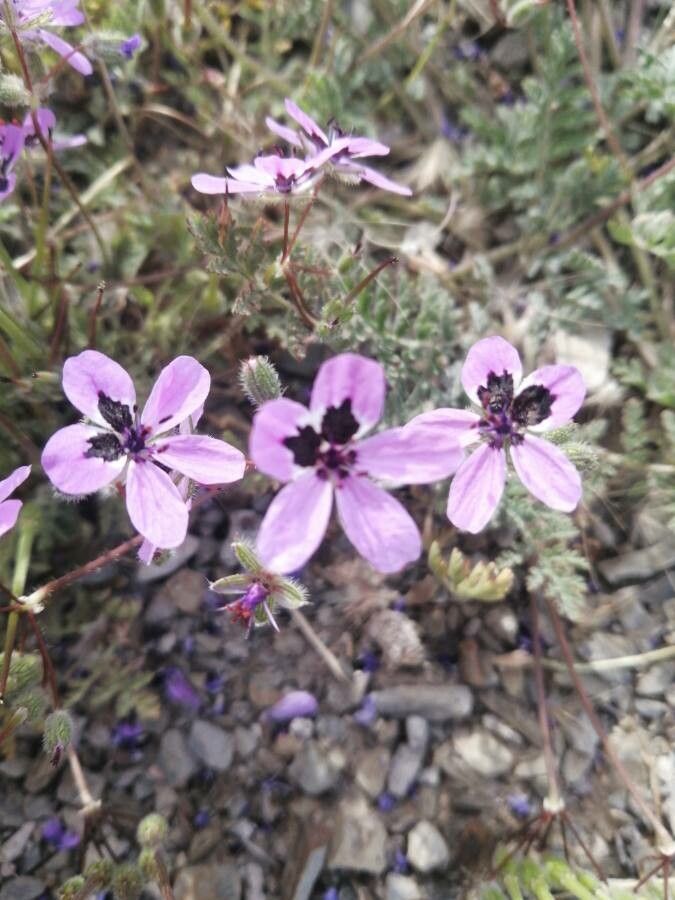
Propagating Erodium stellatum: A Starry Challenge
Erodium stellatum, commonly known as the star stork’s bill, is a captivating member of the Geraniaceae family. This charming plant, prized for its delicate, star-shaped flowers and attractive, finely divided foliage, is gaining popularity among gardeners seeking drought-tolerant and low-maintenance groundcover. Its ability to thrive in poor soils and its striking, almost ethereal beauty make it a desirable addition to rock gardens, borders, and even containers. However, propagating this beauty presents unique challenges, making successful cultivation all the more rewarding.
Seed Germination:
Currently, there are no known reliable methods for seed germination propagation of Erodium stellatum. While the plant does produce seeds, their germination rate is notoriously low, and successful germination under cultivated conditions remains elusive. Further research into specific stratification requirements and germination stimulants might be necessary to unlock the potential of seed propagation for this species.
Cuttings:
Propagating Erodium stellatum via cuttings presents a more promising avenue. However, it’s not without its challenges.
Challenges: Success largely depends on the timing and technique. Taking cuttings from actively growing stems during spring or early summer offers the best chance of success. The high rate of water loss in the cuttings makes it vital to maintain high humidity.
Practical Tips: Take semi-hardwood cuttings, about 4-6 inches long, with a sharp, clean blade. Remove lower leaves to prevent rotting and dip the cut ends in rooting hormone. Plant the cuttings in a well-draining potting mix, such as a blend of perlite and sand, and cover with a clear plastic bag or humidity dome to maintain high humidity. Provide bright, indirect light and consistent moisture, but avoid overwatering. Root development typically takes several weeks.
- Rewards: Cuttings offer a reliable method to maintain desirable traits from a parent plant and are relatively straightforward, albeit requiring patience and attention to detail.
Division:
Division is a viable propagation method, especially for established plants.
Challenges: Erodium stellatum often forms clumps, but dividing them may disrupt the root system if done incorrectly. This delicate process requires care and precision. The timing is crucial; spring or fall is usually ideal.
Practical Tips: Gently lift the plant from the ground, carefully separating the clumps with a sharp, clean spade or knife, ensuring each division retains healthy roots and foliage. Replant the divisions immediately, ensuring good soil contact. Water thoroughly after planting.
- Rewards: Division offers a quick and efficient way to increase the number of plants, maintaining the characteristics of the parent plant. This method is particularly useful for larger, established plants.
Tissue Culture:
Tissue culture propagation of Erodium stellatum is not widely practiced or documented. It would likely require specialized equipment and expertise in plant tissue culture techniques.
Conclusion:
Propagating Erodium stellatum presents unique challenges across all methods. Seed propagation currently seems unreliable, while cuttings and division require attention to detail, precise timing, and patience. Tissue culture remains largely unexplored. However, the rewards for successfully cultivating this beautiful plant are significant. The satisfaction derived from nurturing a cutting into a thriving plant, or carefully dividing a mature clump, is immense, offsetting the difficulties involved. For aspiring propagators, I would recommend starting with the cutting method, focusing on providing optimal humidity and consistent moisture, and learning to identify the perfect moment for division within the plant’s growth cycle. The patience and care invested will ultimately be rewarded with a flourishing display of star-shaped blooms.