
Propagating Gmelina magnifica: A Gardener’s Guide
Introduction
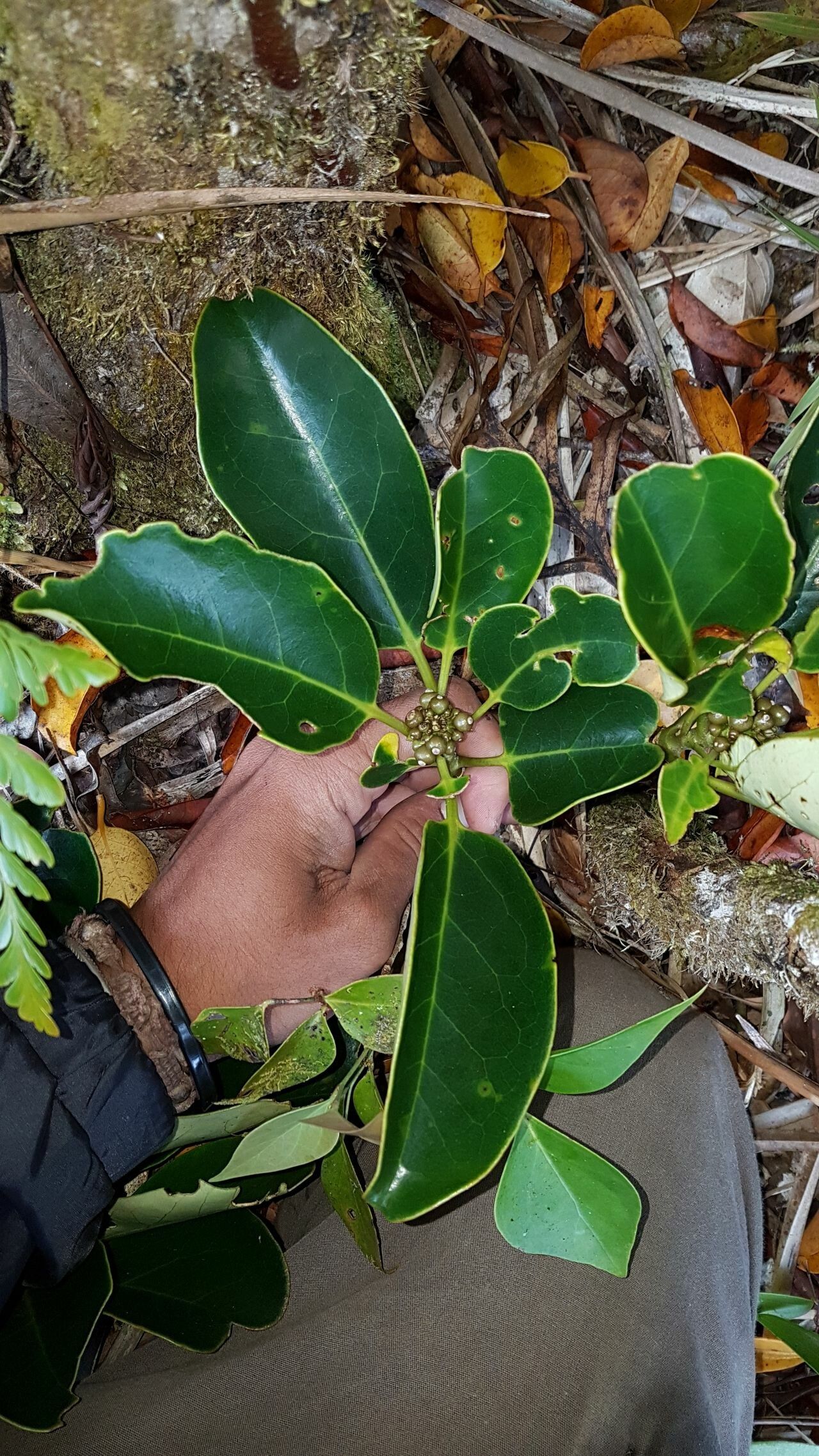
Gmelina magnifica, commonly known as the magnificent gmelina or simply magnificent tree, is a captivating species prized for its striking foliage and potential as a valuable timber tree. Its large, ovate leaves, often tinged with reddish hues, provide a dramatic presence in the landscape. While its cultivation is not widespread compared to other ornamental plants, its unique aesthetic characteristics have sparked growing interest among dedicated gardeners seeking something truly distinctive. Gmelina magnifica’s propagation, however, presents unique challenges, demanding patience and a nuanced approach.
Seed Germination:
Currently, there are no known reliable methods for seed germination propagation of Gmelina magnifica. While seeds may be produced, their viability and germination rate are reported to be extremely low, rendering this method impractical for most gardeners. Further research into specific dormancy-breaking techniques may be necessary to unlock seed germination potential, but currently, this approach is not recommended.
Cuttings:
Cuttings offer a more promising avenue for propagation. However, challenges remain. Successful propagation from cuttings requires careful attention to several factors:
- Challenges: Gmelina magnifica cuttings can be slow to root, and the success rate can be highly variable depending on factors like the age and health of the parent plant, the timing of cutting collection, and the environmental conditions provided. The use of rooting hormone is strongly advised.
- Practical Tips: Semi-hardwood cuttings, taken in late spring or early summer, generally yield the best results. Use a sharp, clean blade to avoid damaging the tissues. Dip the cut ends in a rooting hormone solution before planting in a well-draining, moist propagation mix (e.g., perlite and peat moss). Maintain high humidity using a propagation dome or by covering the container with plastic. Consistent warmth and indirect sunlight are essential.
- Rewards: Cuttings provide a more reliable means of propagating Gmelina magnifica compared to seeds. They also allow for the preservation of desirable traits from superior mother plants.
Division:
Division is not a practical method for propagating Gmelina magnifica. This species does not naturally produce readily separable offshoots or suckers like some other plants.
Tissue Culture:
Tissue culture presents the most advanced and potentially effective method for mass propagation of Gmelina magnifica.
- Challenges: This method requires specialized equipment, a sterile environment, and expertise in plant tissue culture techniques. It is costly and generally not feasible for the home gardener.
- Practical Tips: Establishment of aseptic cultures and the development of optimal media composition for shoot multiplication and rooting are crucial. Experienced tissue culture labs specializing in woody plants can provide the expertise needed.
- Rewards: Tissue culture allows for rapid multiplication of plants from a small amount of starting material, producing large numbers of genetically identical plants efficiently. This is ideal for large-scale propagation and conservation programs.
Conclusion
Propagating Gmelina magnifica presents unique challenges across various methods. While seed propagation has yet to prove reliable, cuttings offer a reasonable alternative for the dedicated gardener, though patience is required. Tissue culture represents the most effective method for large-scale propagation, though it is inaccessible to most hobbyists. The rewards of successfully cultivating this stunning tree—witnessing its vibrant growth and the unique beauty it lends to the landscape—provide a significant satisfaction that far outweighs the effort. For aspiring propagators, persistent experimentation, attention to detail, and a willingness to learn from both successes and failures are key to achieving success with this special plant. Remember to always source your plant material ethically and sustainably.