
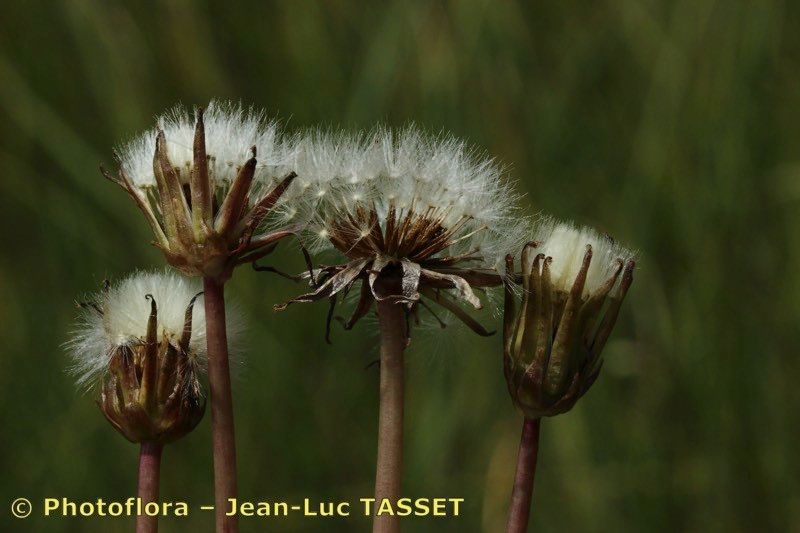
Propagating Taraxacum flos-lacus: A Gardener’s Guide to the Lake Dandelion
Introduction:
Taraxacum flos-lacus, commonly known as the lake dandelion (though this common name isn’t universally established and often other Taraxacum species are referred to similarly), is a captivating plant often found near lakes and wetlands. While not as widely cultivated as its ubiquitous relative, the common dandelion ( Taraxacum officinale), T. flos-lacus possesses unique characteristics, potentially including variations in flower color, leaf shape, or hardiness, making it a desirable addition to specialized gardens. Its propagation, however, presents distinct challenges, requiring a nuanced understanding of various techniques. This article explores different methods for propagating this intriguing species.
Seed Germination:
Seed germination is a viable method for propagating Taraxacum flos-lacus, but success depends on specific conditions.
Challenges: Taraxacum seeds are notoriously tiny and require precise conditions for germination. They often exhibit dormancy, requiring specific environmental cues to initiate sprouting. Competition from weeds and fungal diseases can also hinder seedling establishment.
Practical Tips: Sow seeds directly outdoors in a well-prepared seedbed in autumn or early spring. Mimicking natural conditions is key; ensure good soil drainage, slightly acidic soil (pH 6.0-6.8), and consistent moisture. Avoid overwatering. While stratification (cold treatment) isn’t strictly necessary, it might improve germination rates for some ecotypes. Consider using a fine seed starting mix to avoid damping-off. Thin seedlings to avoid overcrowding.
Rewards: Seed propagation offers the potential for high genetic diversity, generating many plants from a single flowerhead. This approach is ideal for large-scale propagation or creating a diverse population.
Cuttings:
Currently, there are no known reliable methods for propagating Taraxacum flos-lacus from cuttings. Dandelions lack the rooting structures necessary for successful propagation via this method.
Division:
Division is a practical approach for increasing Taraxacum flos-lacus numbers.
Challenges: Successful division depends on the plant’s age and size. Younger plants may not produce enough root structure for effective division. Divisions must be handled carefully to avoid damage to the fragile roots.
Practical Tips: Divide established plants in spring or early autumn, carefully separating the root crown into sections, ensuring each division possesses healthy roots and leaves. Plant divisions into well-prepared soil, providing adequate moisture and protection from direct sunlight until established.
Rewards: Division is a relatively simple and efficient method, resulting in a rapid increase in the number of mature plants.
Tissue Culture:
Tissue culture offers a potentially effective method for propagating Taraxacum flos-lacus, but it’s a technically demanding process requiring specialized laboratory equipment and expertise.
Challenges: Establishing sterile conditions and developing suitable culture media are crucial. The success rate can vary depending on the plant material used and the skill of the technician. It’s a more expensive and time-consuming method than seed or division.
Practical Tips: Use sterile techniques throughout the process. Optimize media composition to encourage shoot initiation and root development. Maintain appropriate environmental conditions (light, temperature, humidity).
Rewards: Tissue culture can produce a large number of genetically identical plants from a small amount of source material. This is particularly useful for preserving rare or desirable genotypes.
Conclusion:
Propagating Taraxacum flos-lacus presents unique challenges, primarily due to its subtle requirements for seed germination and the limitations of other conventional methods such as cuttings. Seed germination offers the best chance of creating a diverse population, while division is a more straightforward method for established plants. Tissue culture represents a promising but technically demanding advanced technique. The rewards, however, are worth the effort: the unique beauty and potential horticultural significance of this species make the successful cultivation an immensely satisfying experience. Don’t be discouraged by the initial difficulties; careful observation, patience, and persistence will ultimately lead to the successful propagation of this fascinating plant. Remember to research specific ecotypes for optimal propagation strategies as conditions may vary.