
Propagating Theobroma cacao: From Bean to Bar (and Beyond)
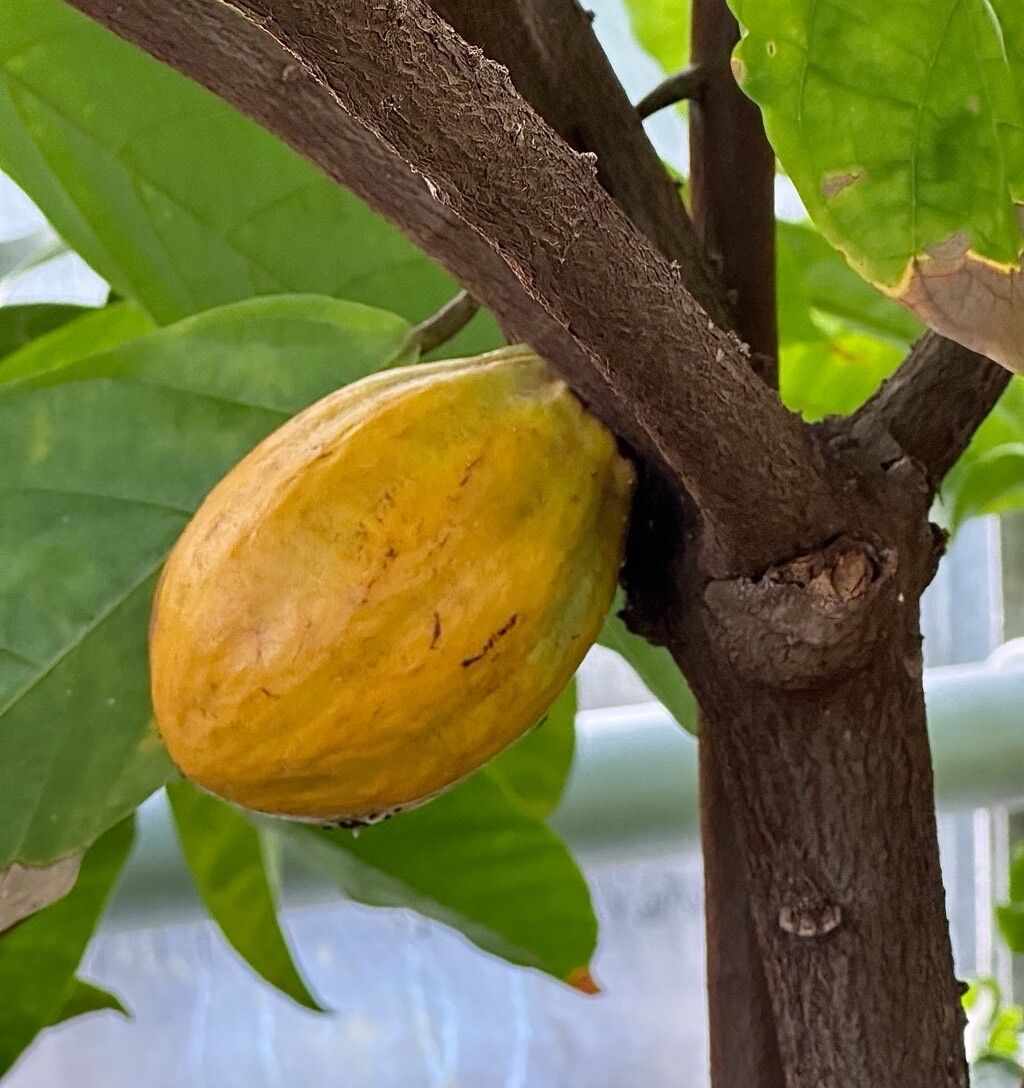
Theobroma cacao, better known as the cacao tree, holds a position of immense horticultural and cultural significance. This tropical evergreen tree, native to the Amazon basin, is the source of cocoa beans – the foundation of chocolate. Its popularity among gardeners extends beyond its delicious fruit; its glossy, leathery leaves and delicate flowers make it a visually appealing addition to suitable climates. However, propagating cacao presents unique challenges, making successful propagation a rewarding accomplishment.
Seed Germination:
Seed germination is a viable method for propagating Theobroma cacao, albeit with challenges. Fresh, high-quality seeds are crucial for success. Cacao seeds quickly lose viability; ideally, they should be sown within a few days of extraction from the ripe fruit.
Challenges: Seeds are susceptible to fungal diseases and require consistently warm, humid conditions. Improper handling can lead to rapid deterioration. Germination rates can be variable depending on seed quality and environmental factors.
Practical Tips: Seeds should be sown directly in well-drained, moist potting mix, approximately 1cm deep. Maintain high humidity (ideally above 70%) through misting or using a humidity dome. A temperature range of 25-30°C (77-86°F) is essential. Consistent moisture is vital, but avoid waterlogging.
Rewards: Seed-grown cacao offers high genetic diversity, crucial for maintaining resilience in the face of diseases and pests. This method is suitable for large-scale propagation, though proper care is crucial to overcome the challenges mentioned above.
Cuttings:
Propagation of Theobroma cacao through cuttings is possible, but success rates are generally lower than with seeds.
Challenges: Cacao cuttings are prone to fungal infections and desiccation. Rooting hormone application is often necessary, but success is not guaranteed. The process requires meticulous care and attention to detail.
Practical Tips: Use semi-hardwood cuttings, approximately 15-20cm long, taken from healthy, actively growing shoots. Treat the cut ends with a rooting hormone and plant them in a well-draining propagation mix under high humidity conditions. Mist regularly and maintain a warm temperature.
Rewards: While more challenging than seed propagation, cuttings allow for the preservation of desirable traits from a specific parent plant, ensuring uniformity in the offspring.
Division:
Division is not a practical method for propagating Theobroma cacao. The tree’s root system is not easily divided without causing significant damage to the parent plant and reducing the chances of survival for the divisions.
Tissue Culture:
Tissue culture offers a reliable and efficient method for large-scale propagation of Theobroma cacao.
Challenges: This method requires specialized equipment, sterile conditions, and a thorough understanding of plant tissue culture techniques. It is expensive and time-consuming, requiring specialized training and facilities.
Practical Tips: Sterile techniques are paramount. Explant selection (tissue sample from the parent plant) is vital to ensure successful propagation. The use of appropriate growth media and hormones is crucial for successful shoot multiplication and plantlet development.
Rewards: Tissue culture overcomes many of the limitations of seed and cutting propagation. It produces disease-free, genetically uniform plants in large numbers, representing a valuable method for commercial propagation and conservation efforts.
Conclusion:
Propagating Theobroma cacao presents various challenges depending on the method employed. While seed germination offers the potential for genetic diversity, it may be unreliable. Cuttings are possible, but success rates can be low. Division is impractical. Tissue culture provides a superior, though costly and complex, solution.
The satisfaction of successfully cultivating this culturally and economically important plant is immense, reflecting the effort and perseverance required. The delicate balance of providing enough moisture, warmth, and humidity, while preventing fungal infections, is a testament to the cultivator’s skills. Aspiring propagators should not be discouraged by the challenges; with patience, practice, and attention to detail, the reward of witnessing a cacao tree grow from a seed or cutting is undeniably fulfilling. Start small, experiment with various techniques, and learn from each experience to unlock the secrets of cultivating this remarkable tree.