
Propagating Vanilla africana: A Guide for the Passionate Gardener
Introduction
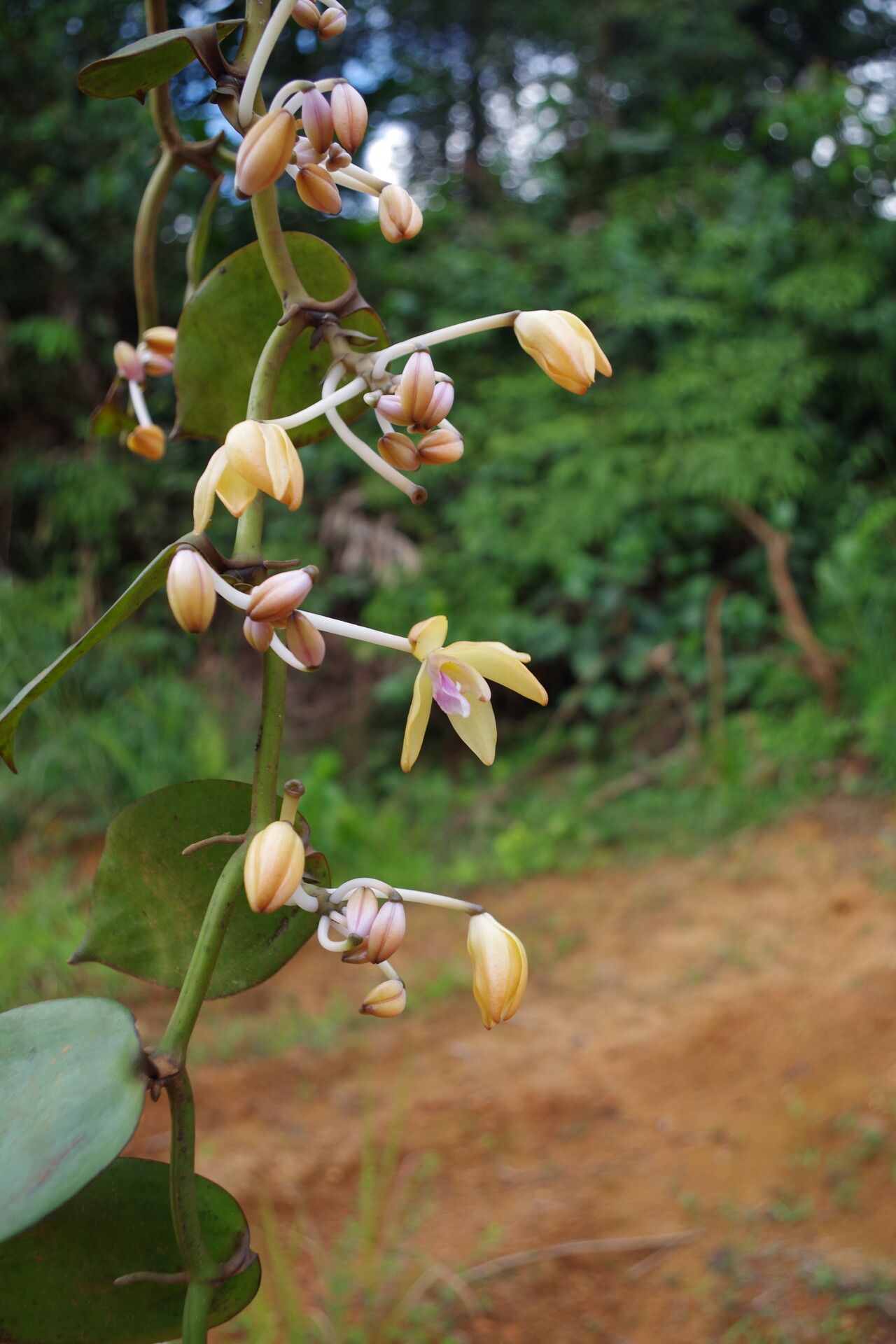
Vanilla africana, also known as the African vanilla or, less commonly, the wild vanilla, is a climbing orchid native to the forests of tropical Africa. Unlike its commercially significant cousin Vanilla planifolia, Vanilla africana is not widely cultivated for its vanilla flavoring. However, its appealing foliage, fascinating vining habit, and relative ease of care (compared to other vanilla orchids) have made it increasingly popular among keen home gardeners and orchid enthusiasts. Its propagation, however, presents unique challenges requiring patience and specialized techniques. This guide explores various methods, weighing their pros and cons.
Seed Germination
Currently, there are no known reliable methods for seed germination propagation of Vanilla africana. The tiny seeds require highly specific mycorrhizal fungal associations for successful germination, a symbiotic relationship that’s extremely difficult to replicate in a home setting. Furthermore, the seeds have a very short viability period.
Cuttings
Cuttings are a more practical method for propagating Vanilla africana.
Challenges: The success rate depends heavily on the age and health of the parent plant, the timing of the cutting, and the provision of optimal humidity and temperature. Improper care can lead to fungal infections and rot.
Practical Tips: Take semi-hardwood cuttings (partially mature stems) of approximately 10-15cm in length, ideally from actively growing shoots. Remove lower leaves to prevent rotting. Treat the cut ends with a rooting hormone to stimulate root development. Plant the cuttings in a well-draining medium, such as a mix of perlite, vermiculite, and sphagnum moss, maintaining high humidity (e.g., using a humidity dome or propagator). Consistent warmth (around 25-30°C) is crucial. Mist regularly to keep the medium moist but not waterlogged.
Rewards: Cuttings offer a relatively straightforward way to increase the number of plants, providing a faster method than other techniques. They also preserve the genetic characteristics of the parent plant.
Division
Division is another viable method, but with limitations.
Challenges: Vanilla africana doesn’t readily lend itself to division. Mature plants often have intertwined root systems, making careful separation crucial to avoid damaging the roots and compromising the survival of the divided sections.
Practical Tips: Division is best undertaken during the plant’s active growing season. Carefully dig up the established plant and gently separate it into several portions, ensuring each division has a healthy root system and several healthy stems. Replant each division into a suitable pot with a well-draining medium.
Rewards: Division allows for the quick propagation of established plants, offering potentially larger, more robust plants than those grown from cuttings. The method is faster than growing new plants from cuttings but it requires an already established plant.
Tissue Culture
Tissue culture offers the potential for large-scale propagation of Vanilla africana.
Challenges: This method requires specialized equipment, a sterile environment, and knowledge of plant tissue culture techniques. It’s not a beginner-friendly method. Contamination is a serious risk.
Practical Tips: Sterile conditions are absolutely essential. Small sections of the plant’s tissues (e.g., nodal segments) are obtained and placed on a nutrient-rich agar medium under sterile conditions. This requires specialized laboratories.
Rewards: Tissue culture offers a high success rate and the capacity for mass production, generating many genetically identical plants.
Conclusion
Propagating Vanilla africana, while achievable, presents distinct challenges across all methods. Seed germination is currently impractical, while cuttings and division hold potential for home gardeners, provided they pay close attention to detail and maintain the right conditions. Tissue culture offers the most efficient and scalable approach but requires significant resources and expertise. The unique satisfaction of successfully propagating this beautiful climbing orchid comes from overcoming these challenges, nurturing the delicate plant through its vulnerable stages, and witnessing its robust growth. For aspiring propagators, perseverance, patience, and a comprehensive understanding of the plant’s needs are key. Start with cuttings – a good entry point into the fascinating world of Vanilla africana cultivation.