
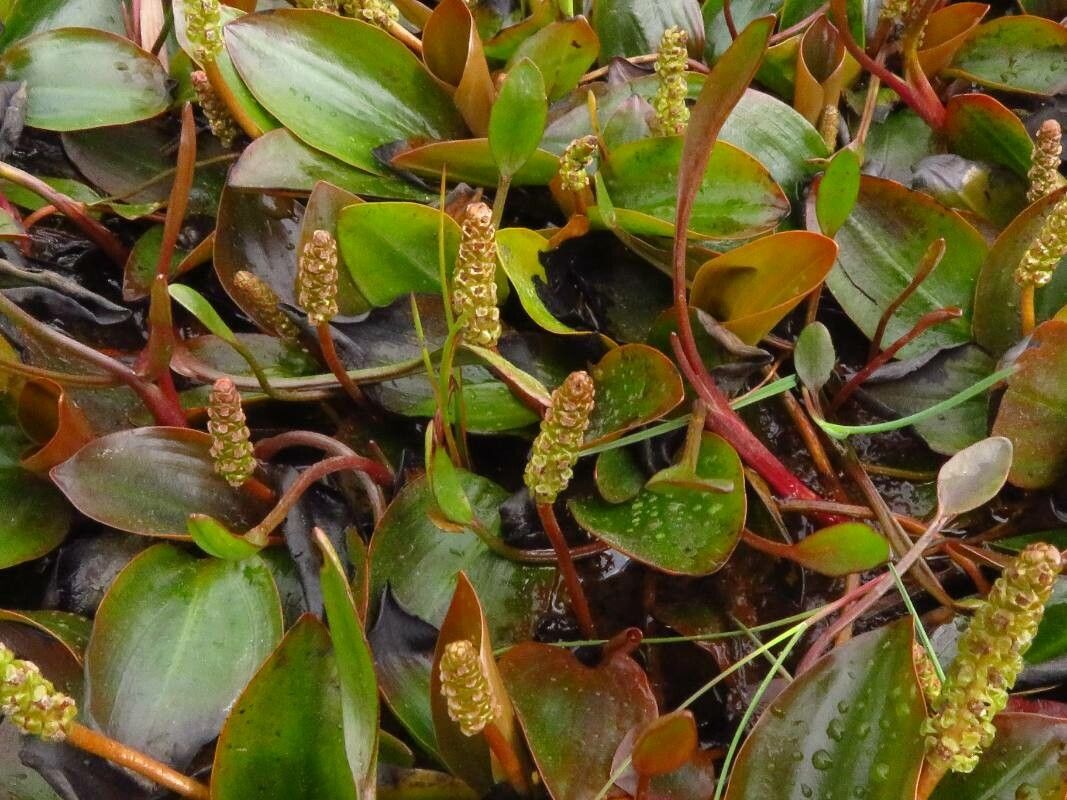
Propagating Potamogeton polygonifolius: A Guide to the Many-angled Pondweed
Introduction:
Potamogeton polygonifolius, commonly known as many-angled pondweed, is an aquatic plant prized for its attractive, linear leaves and its ability to thrive in a variety of aquatic environments. Its delicate foliage adds a touch of natural beauty to ponds and water gardens, making it a popular choice amongst aquatic gardeners. Unlike some more aggressive aquatic plants, P. polygonifolius tends to remain relatively contained, making it a manageable addition to even smaller water features. However, propagating this species can present some unique challenges. While seed propagation is rarely employed, successful multiplication hinges on effective methods like cuttings, division, and potentially tissue culture.
Seed Germination:
Currently, there are no known reliable methods for seed germination propagation of Potamogeton polygonifolius. While the plant does produce seeds, their viability and germination rates under cultivated conditions are extremely low, rendering this method impractical for most gardeners. Further research into specific germination requirements, such as light exposure, temperature, and specific substrate needs, may be necessary to unlock this potential pathway.
Cuttings:
Cuttings offer a reasonably effective propagation method for Potamogeton polygonifolius.
Challenges: Successfully rooting cuttings requires careful handling to avoid damage to the delicate stems. Also, maintaining optimal water conditions (temperature, oxygen levels, nutrient content) is critical for successful root development.
Practical Tips: Take cuttings of approximately 10-15cm length from healthy, actively growing stems. Plant these cuttings directly into a suitable substrate (aquatic potting mix or directly into the pond bed in a suitable location). Ensure the water is relatively still and free from strong currents that could dislodge or damage the young plants. Regular monitoring is essential to identify and address any signs of rot or disease.
Rewards: Cuttings provide a relatively quick and straightforward method for increasing the number of P. polygonifolius plants. It is generally easier than division and avoids the risk associated with tissue culture.
Division:
Division is a commonly employed and effective method for propagating Potamogeton polygonifolius.
Challenges: Division requires careful handling to avoid damaging the rhizomes and their associated buds. It’s best done when the plant shows vigorous growth during the warmer months.
Practical Tips: The plant should be carefully lifted from the pond in the spring or summer. Use a sharp knife or shears to divide the rhizome into sections, ensuring each section has several healthy buds and a good root spread. Replant these sections immediately into suitable locations in the pond, ensuring sufficient spacing to allow for future growth.
Rewards: Division is a reliable and efficient method for establishing new plants while maintaining the genetic characteristics of the parent plant. The process is relatively simple once familiarized with the rhizome structure.
Tissue Culture:
Tissue culture propagation of Potamogeton polygonifolius remains largely unexplored.
Challenges: Developing a successful tissue culture protocol for this species would require significant research and experimentation to identify suitable media, growth regulators, and sterilization techniques. The specialized equipment and expertise required also present substantial barriers.
Practical Tips: (This section would need filling in with scientific detail based on future research that establishes a protocol. As it currently stands, this is highly speculative).
Rewards: Tissue culture would offer the potential for large-scale propagation and the production of disease-free plants. However, this method is complex, expensive, and resource-intensive.
Conclusion:
Propagating Potamogeton polygonifolius presents a range of challenges but offers significant rewards for the patient and dedicated aquatic gardener. While seed propagation is currently not feasible, vegetative propagation through cuttings and division offers reliable methods for increasing the number of plants. Tissue culture remains a largely unexplored potential avenue for future development. The satisfaction of successfully nurturing this delicate aquatic plant, seeing it flourish from a cutting or divided rhizome, is a testament to the gardener’s skill and dedication. For beginners, focusing on division provides the easiest and most reliable route to successful propagation. With careful attention to detail and patience, aspiring propagators can greatly enhance their water garden with these beautiful and valuable pondweeds.