
Propagating the Chilean Myrtle: A Gardener’s Guide to Ugni myricoides
Introduction:
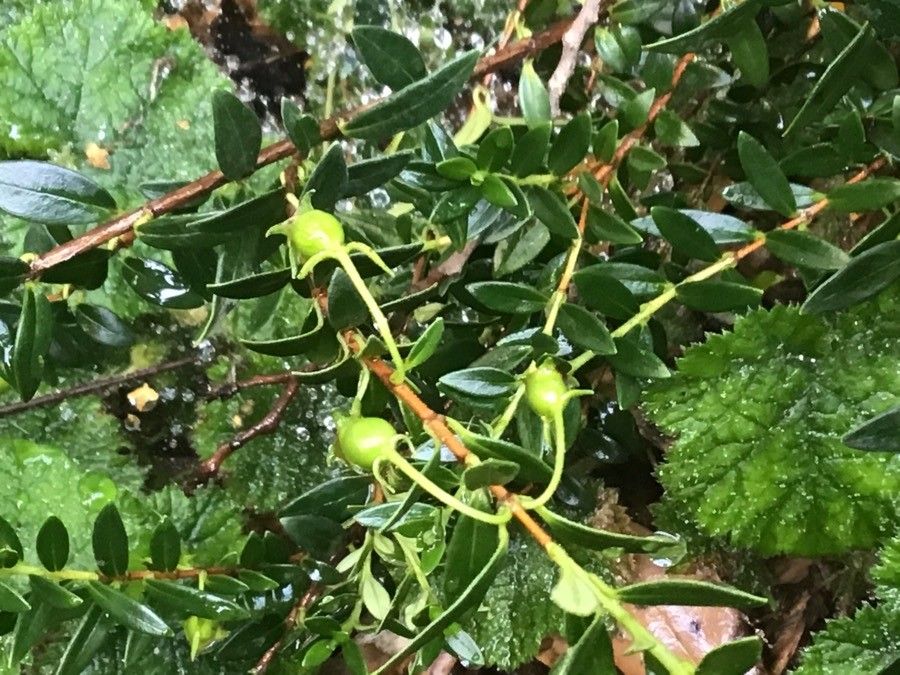
Ugni myricoides, commonly known as Chilean myrtle, is a charming evergreen shrub prized for its fragrant foliage, delicate white flowers, and delicious, aromatic berries. Native to Chile and Argentina, this versatile plant has gained popularity among gardeners for its adaptability to various climates and its ability to thrive in both gardens and containers. Its berries, reminiscent of a blend between strawberries and raspberries, are used in jams, jellies, and liqueurs, adding to its horticultural appeal. However, propagating Chilean myrtle can present some unique challenges, requiring a nuanced understanding of its specific needs.
Seed Germination:
Seed germination for Ugni myricoides is possible but notoriously unpredictable and slow. The main challenge lies in the hard seed coat, which inhibits water uptake and germination. Freshly harvested seeds offer the best chance of success.
Challenges: Low germination rates, slow germination time (several months), inconsistent results.
Tips: Pre-soaking seeds in warm water for 24-48 hours can help soften the seed coat. Stratification (a period of cold, moist storage) for several weeks or months might improve germination rates. Seeds should be sown in a well-draining seed-starting mix, kept consistently moist but not waterlogged, and placed in a warm location with bright, indirect light.
Rewards: Genetic diversity within a propagated population, potential for large-scale propagation, affordable propagation method if successful.
Cuttings:
Propagating Chilean myrtle via cuttings is a more reliable method than seed germination. Semi-hardwood cuttings taken in late summer or early autumn generally yield the best results.
Challenges: Requires careful attention to humidity and moisture levels to prevent rot and ensure successful rooting. Not all cuttings will root, requiring patience and multiple attempts.
Tips: Cuttings should be approximately 4-6 inches long, taken from non-flowering stems. The lower leaves should be removed to prevent rotting. Rooting hormone can significantly improve success rates. Cuttings should be planted in a well-draining potting mix and kept under high humidity (e.g., using a humidity dome or propagation tray).
Rewards: Faster establishment time compared to seed propagation. Preserves the genetic characteristics of the parent plant. Relatively easy to perform for experienced gardeners.
Division:
Division is a relatively simple method applicable only to established, mature plants.
Challenges: Careful handling is crucial to avoid damaging the roots. Requires a well-established plant large enough to divide effectively.
Tips: Dig up the entire plant and carefully separate it into smaller sections, ensuring each section possesses sufficient roots and stems. Replant the divisions immediately in well-prepared soil.
Rewards: A quick method to increase the number of plants, particularly useful for preserving rare or desirable cultivars. Relatively low failure rate, particularly compared to seed propagation.
Tissue Culture:
Tissue culture offers the potential for large-scale propagation of Ugni myricoides, producing many genetically identical plants from a small sample of plant tissue. However, it requires specialized equipment, sterile conditions, and a working knowledge of tissue culture techniques.
Challenges: Requires specialized knowledge, equipment, and a sterile work environment. Can be expensive to set up and maintain.
Rewards: Large-scale propagation, eliminating some of the uncertainties associated with cuttings, seeds, or divisions. Production of disease-free plants.
Conclusion:
Propagating Ugni myricoides presents varying degrees of challenge depending on the chosen method. While seed germination offers the potential for genetic diversity but requires patience and might not always bear fruit (pun intended!), cuttings provide a more reliable and relatively straightforward approach. Division is simplest for established plants, and tissue culture offers the most potential for large-scale production. Ultimately, the satisfaction derived from successfully cultivating Chilean myrtle, especially through methods like cuttings, comes from nurturing a tiny cutting into a thriving, fragrant shrub bearing its unique, delicious berries. The effort involved is a testament to the gardener’s dedication, resulting in a rewarding connection to this fascinating plant. Don’t be discouraged by initial setbacks; persevere, experiment with different techniques, and enjoy the journey of bringing these beautiful and useful plants to life.