
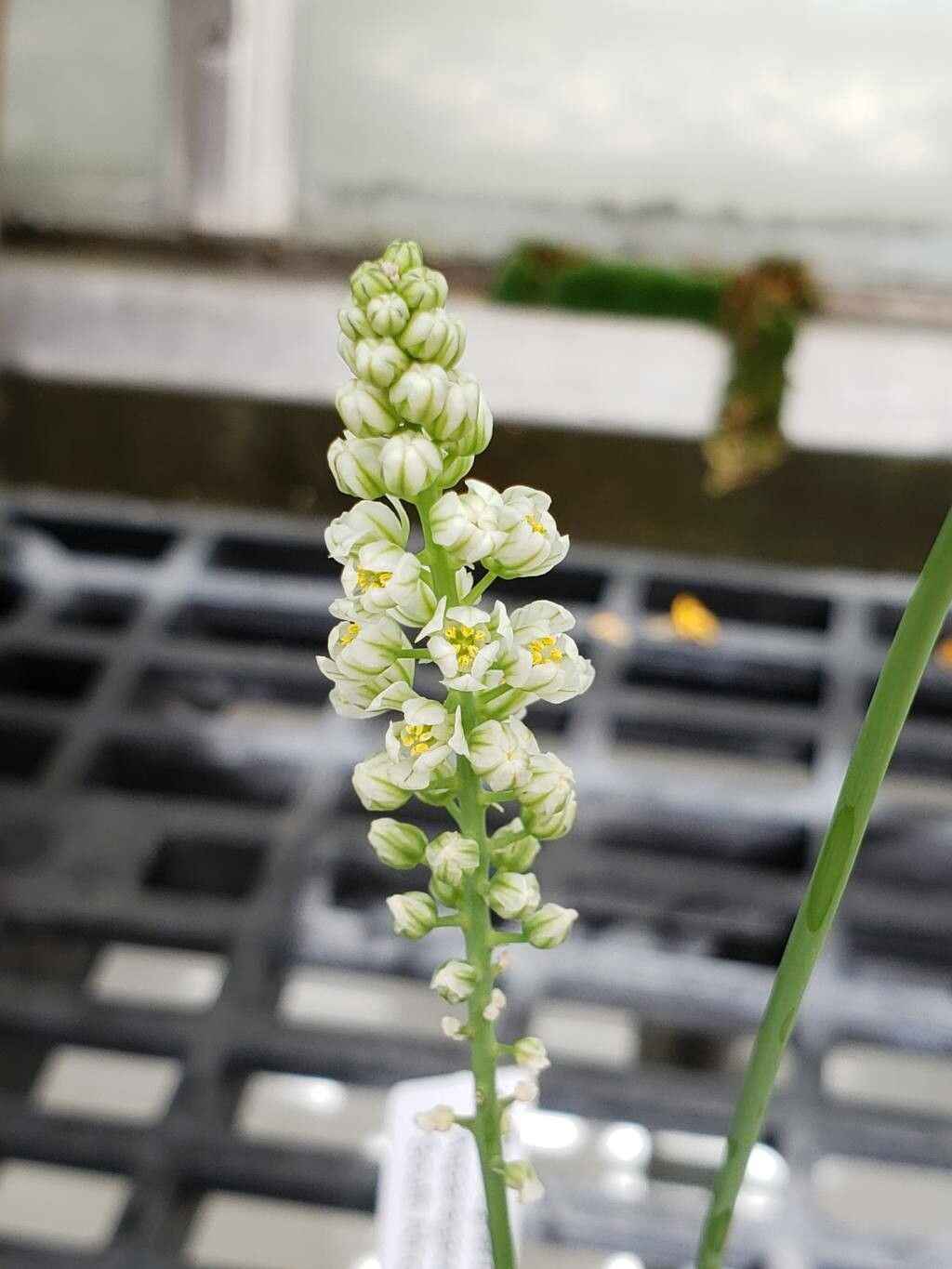
Propagating Eriospermum brevipes: A Gardener’s Challenge and Reward
Eriospermum brevipes, commonly known as the “Short-footed Eriospermum,” is a captivating succulent geophyte belonging to the Asparagaceae family. Native to South Africa, it boasts small, often intricately patterned leaves emerging from an underground corm, and is prized by succulent enthusiasts for its unique beauty and relative rarity in cultivation. Its popularity stems from its charming appearance and the challenge it presents to propagation, adding a layer of satisfaction for the successful cultivator. Unlike many succulents, Eriospermum brevipes presents propagation difficulties, making success even more rewarding.
Seed Germination:
Currently, there are no known reliable methods for seed germination propagation of Eriospermum brevipes. While some Eriospermum species are successfully propagated from seed, E. brevipes appears recalcitrant to this method. Further research is required to determine optimal germination conditions, if they exist.
Cuttings:
Cuttings are not a viable method for propagating Eriospermum brevipes. The plant’s growth habit, with its reliance on a single, central corm, makes stem or leaf cuttings impractical and likely to fail.
Division:
Division is the most reliable method for propagating Eriospermum brevipes. However, it presents its own set of challenges.
- Challenges: E. brevipes produces offsets (daughter corms) infrequently and slowly. Careful handling is paramount to avoid damaging the delicate corms and their associated roots. Each division must be relatively large to ensure it contains enough stored energy to establish itself.
- Practical Tips: Division is best performed during the plant’s dormant period (usually after flowering and leaf senescence). The corm should be gently lifted, and any visible offsets carefully separated using a sharp, sterile knife or scalpel. The divided corms should then be allowed to callus over for a few days before planting in well-draining, minerally rich compost.
- Rewards: While time-consuming, successful division offers a relatively high success rate for propagation, ensuring the continuation of the mother plant’s specific genetic traits.
Tissue Culture:
Tissue culture offers a potential avenue for large-scale propagation of Eriospermum brevipes. However, this method requires specialized equipment, a sterile laboratory environment, and significant expertise in plant tissue culture techniques.
- Challenges: Establishing aseptic protocols suitable for E. brevipes will require extensive experimentation to determine the optimal growth medium, hormone combinations, and sterilization methods. Contamination remains a significant risk.
- Practical Tips: Collaboration with experienced tissue culture laboratories specializing in geophytes is recommended.
- Rewards: If successful, tissue culture provides a means to produce a large number of clonal plants quickly, overcoming the limitations of division.
Conclusion:
Propagating Eriospermum brevipes proves challenging, with division currently providing the most reliable, albeit slow, method. Seed germination and cuttings are currently not viable options. While tissue culture holds promise for large-scale propagation, it requires significant expertise and resources. Despite these difficulties, the unique satisfaction of successfully cultivating and propagating this beautiful plant is hard to overstate. The patience and attention required foster a deep connection with the plant, highlighting the rewards of nurturing a rare and rewarding succulent. For aspiring propagators, I encourage patience, meticulous care, and a willingness to learn from setbacks. The eventual flourishing of your Eriospermum brevipes will be a testament to your dedication and horticultural skill.