
Propagating Matthiola arabica: The Sweet-Scented Challenge of Stock Flowers
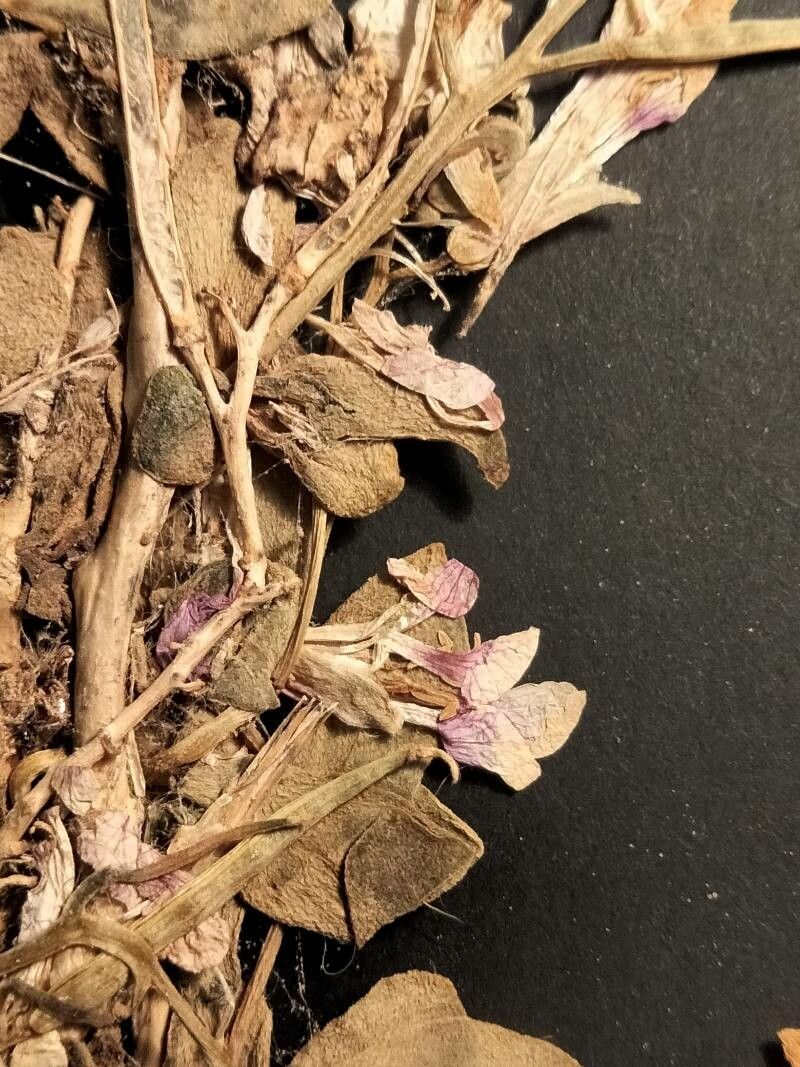
Matthiola arabica, commonly known as Stock, is a beloved annual or biennial flowering plant prized for its vibrant colours, ranging from pure white to deep purples, pinks, and reds, and intoxicating fragrance. Its dense flower spikes are a welcome addition to borders, containers, and cut flower arrangements, making it a popular choice among gardeners. However, propagating Stock can present its own unique set of challenges. This article explores various propagation methods, highlighting their pros and cons.
Seed Germination:
Seed germination is a viable and widely used method for propagating Matthiola arabica. However, it’s not without its hurdles.
Challenges: Stock seeds can be slow to germinate and require specific conditions for optimal success. Seed quality can vary significantly, impacting germination rates. Furthermore, seedlings can be susceptible to damping-off (a fungal disease) if conditions are too wet or humid.
Practical Tips: For best results, sow seeds directly outdoors in autumn or early spring, in well-drained soil. While not always strictly required, a period of cold stratification (placing seeds in a moist medium at cool temperatures (around 4°C) for several weeks) can improve germination rates. Sow seeds thinly, covering them lightly with soil. Maintain consistently moist (but not waterlogged) soil until germination occurs. Good air circulation helps to prevent damping-off.
Rewards: Seed propagation offers the greatest genetic diversity, yielding a wide range of plant characteristics. It’s also the most cost-effective method, allowing for large-scale propagation.
Cuttings:
Cuttings are another viable option for propagating Stock, offering a faster way to obtain flowering plants than seeds.
Challenges: Stock cuttings can be relatively challenging to root. Success rates depend greatly on timing (taking cuttings from healthy, actively growing stems), using appropriate rooting hormone, and maintaining optimal humidity and temperature during the rooting phase.
Practical Tips: Take semi-hardwood cuttings (cuttings from stems that are neither fully soft nor fully woody) in late spring or summer. Remove lower leaves to prevent rotting and dip the cut ends in rooting hormone. Plant cuttings in a well-draining, moist growing medium like a peat-perlite mix. Maintain high humidity (using propagation domes or regular misting) and a warm temperature (around 20-24°C) until roots develop.
Rewards: Cuttings allow for the rapid propagation of desirable plant varieties, preserving specific traits. It is a more efficient method than seed propagation for obtaining flowering plants quickly.
Division:
Division is generally not a reliable method for propagating Matthiola arabica. Stocks are typically annual or biennial plants, so they don’t develop the extensive root systems necessary for successful division.
Tissue Culture:
Tissue culture is a viable, albeit specialized method, for propagating Matthiola arabica.
Challenges: Tissue culture requires specialized equipment, sterile conditions, and a good understanding of plant tissue culture techniques. It’s not a practical method for the home gardener.
Practical Tips: This method involves growing plants from small sections of plant tissue in a sterile nutrient medium. This offers the ability to rapidly produce numerous clones of a superior plant. A professional laboratory setting is needed.
Rewards: High propagation rates, disease-free plants, and the ability to produce large numbers of genetically identical plants.
Conclusion:
Propagating Matthiola arabica presents different challenges and rewards depending on the chosen method. Seed germination offers genetic diversity but might require patience and careful attention to prevent seedling loss. Cuttings provide a faster route to flowering plants but demand precision and optimal conditions. Tissue culture offers a superior scale of production, but is generally not accessible to amateur growers. While the process might initially seem daunting, the sweet fragrance and vibrant blooms of a successfully propagated Stock plant make the effort incredibly rewarding. The sheer satisfaction of nurturing these plants from seed or cuttings, overcoming the challenges, and witnessing their flourishing is a testament to the gardener’s dedication and skill. Don’t be discouraged by initial setbacks; the journey of propagating Stock is as fulfilling as the destination.