
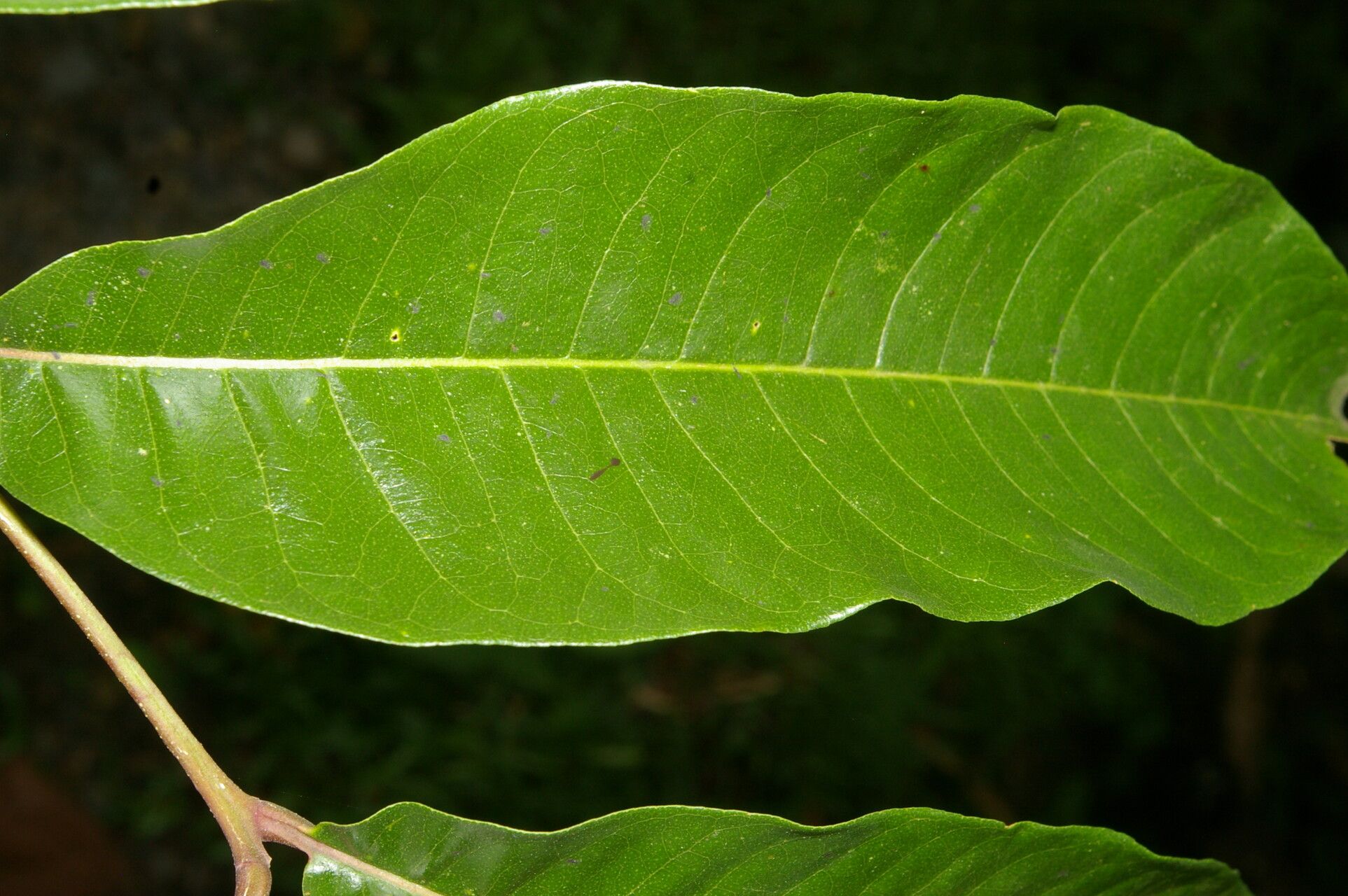
Propagating the Brazilian Pepper Tree (Zanthoxylum riedelianum): A Gardener’s Guide
Introduction:
Zanthoxylum riedelianum, commonly known as Brazilian pepper tree (though this common name can be confusing as it’s also used for Schinus terebinthifolius), is a captivating species valued for its attractive foliage, fragrant flowers, and attractive berries. While visually stunning, it can be considered invasive in some regions. Its propagation, therefore, should be carefully considered and only undertaken responsibly by gardeners aware of its potential for spread. Horticultural significance mainly lies in its potential for landscaping in suitable (non-invasive) climates and its use in traditional medicine. Its unique characteristics include its thorny stems and aromatic leaves. While admired by some, propagation can present specific hurdles.
Seed Germination:
Currently, there are no known reliable methods for seed germination propagation of Zanthoxylum riedelianum. Seeds often exhibit low germination rates, and even when germination occurs, seedling survival is often poor. Further research is needed to identify effective pre-treatment techniques that might improve germination success.
Cuttings:
Cuttings present a more promising avenue for propagating Zanthoxylum riedelianum. However, challenges still exist.
- Challenges: The success rate can be variable, depending on the timing (best in spring or early summer), the type of cutting (semi-hardwood cuttings are usually preferred), and the rooting medium and conditions. Proper sanitation to prevent fungal diseases is crucial.
- Practical Tips: Use semi-hardwood cuttings taken from healthy, actively growing shoots. Treat cuttings with a rooting hormone to stimulate root development. Plant in a well-draining rooting medium, such as a perlite and peat moss mix, and maintain consistently high humidity (e.g., using a propagation dome). Ensure adequate but not excessive watering.
- Rewards: Successful rooting from cuttings produces genetically identical plants, ensuring uniformity in appearance and characteristics. This method is also relatively efficient for moderate-scale propagation.
Division:
Division is not a viable propagation method for Zanthoxylum riedelianum. The plant’s extensive root system makes it difficult to divide without causing significant damage to the parent plant, severely impacting its survival and ultimately producing few, if any, successful divisions.
Tissue Culture:
Tissue culture offers the potential for large-scale, rapid propagation of Zanthoxylum riedelianum.
- Challenges: Establishing a successful tissue culture protocol requires specialized knowledge, equipment, and sterile conditions. Contamination is a major risk, and optimizing the growth media and hormonal treatments for optimal shoot multiplication and rooting is critical.
- Practical Tips: Obtain sterile plant material from healthy stock plants. Use appropriate sterilization techniques for all materials and equipment. Follow established tissue culture protocols for Zanthoxylum species (if available) or adapt protocols used for related species.
- Rewards: Tissue culture overcomes many limitations of other propagation methods, allowing for large-scale production of disease-free plants, rapid multiplication, and the preservation of valuable genetic material.
Conclusion:
Propagating Zanthoxylum riedelianum presents distinct challenges across various methods. Seed propagation is currently unreliable, while division is impractical. Cuttings offer a viable, though not always highly successful, option for smaller-scale propagation, and tissue culture offers the greatest potential for large-scale production but demands specialized expertise. The rewards, however,—the satisfaction of successfully cultivating this visually striking plant—make the effort worthwhile for dedicated gardeners. The unique aesthetic qualities and potential (in suitable climates) for landscape use provide ample incentive. For those attempting propagation, perseverance and proper technique are crucial for success. Remember to always consider the potential invasiveness of this species and propagate responsibly.