
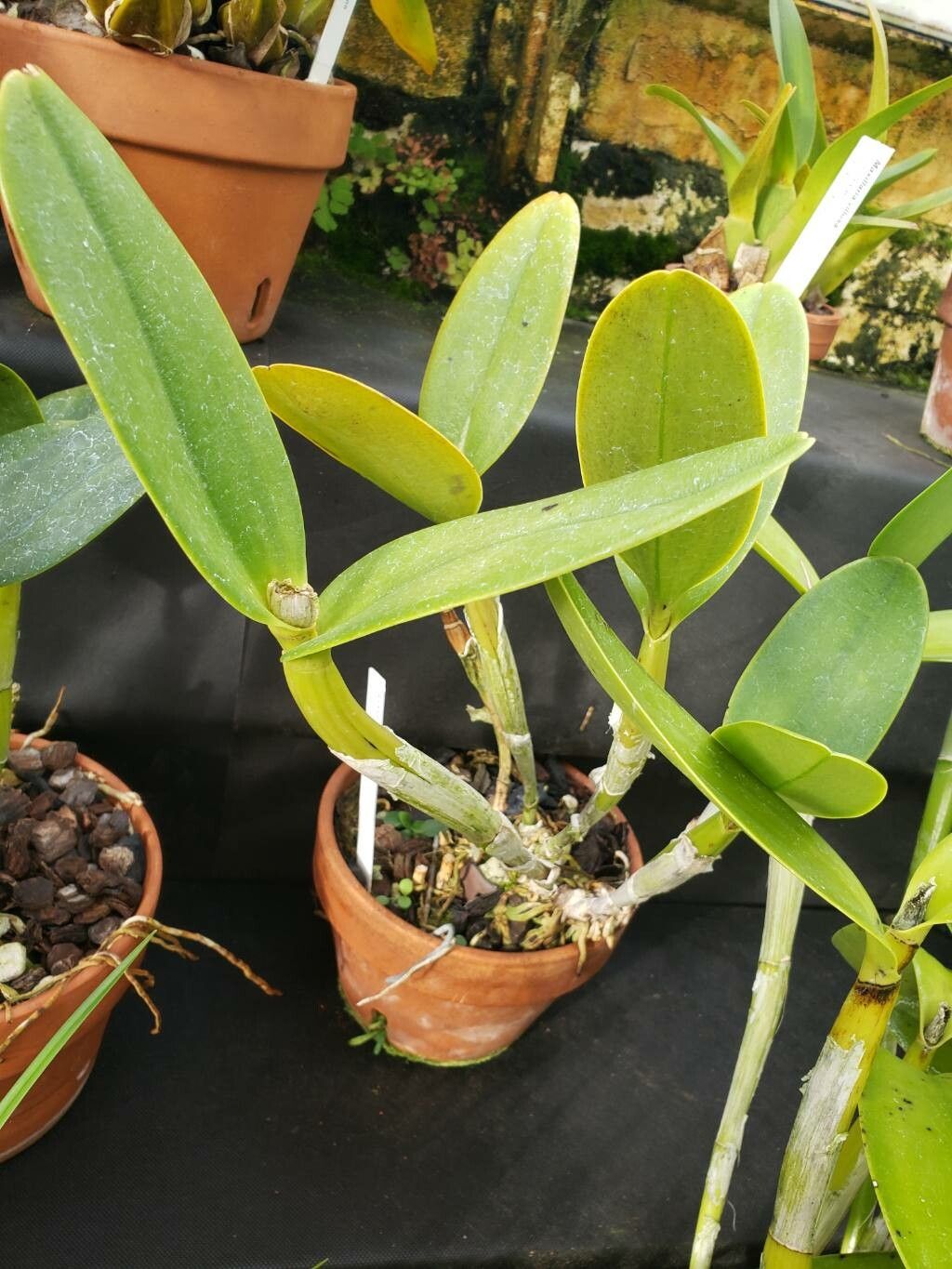
Propagating the Regal Cattleya labiata: A Gardener’s Challenge
Cattleya labiata, commonly known as the “Laelia labiata,” holds a legendary status in the orchid world. This Brazilian beauty, famed for its large, intensely colored blooms in shades of lavender, pink, and purple, with a distinctive, elegantly ruffled lip, captivated Victorian orchid enthusiasts and remains a highly sought-after species today. Its horticultural significance lies not only in its stunning aesthetics but also in its pivotal role in the hybridization of countless Cattleya orchids we see cultivated today. However, propagating this majestic orchid presents unique challenges, making successful propagation a rewarding accomplishment for even seasoned orchid growers.
Seed Germination:
Currently, there are no known reliable methods for seed germination propagation of Cattleya labiata outside of a laboratory setting with specialized expertise and equipment. Cattleya seeds are dust-like and lack endosperm, relying on symbiotic fungi (mycorrhizae) for germination and early nutrient uptake. Replicating this intricate symbiotic relationship in a home environment is exceptionally difficult, proving seed germination impractical for the average cultivator.
Cuttings:
Propagating Cattleya labiata through stem cuttings is not a viable method. Cattleyas lack the ability to root from stem cuttings like some other plants.
Division:
Division is the most common and practical method for propagating Cattleya labiata. This involves carefully separating mature plants into individual divisions, each containing multiple pseudobulbs and healthy roots.
Challenges: The main challenge lies in ensuring each division has a sufficient root system to sustain itself. Dividing too aggressively can weaken or even kill the parent plant and the divisions.
Practical Tips: Divide only mature, healthy plants that have multiple pseudobulbs and a robust root system. Use a sharp, sterile knife or shears to avoid damaging the plant. Allow the cut surfaces to dry slightly before repotting into a well-draining orchid potting medium. Provide consistent moisture and humidity post-division.
Rewards: Division offers a relatively simple way to increase the number of Cattleya labiata plants, preserving the genetic characteristics of the parent plant.
Tissue Culture:
Tissue culture is the most reliable, albeit technically demanding, method for propagating Cattleya labiata on a larger scale. It involves growing plants from sterile sections of plant tissue in a controlled laboratory setting using nutrient media.
Challenges: It requires specialized equipment, sterile conditions, and a detailed understanding of plant tissue culture techniques. It is expensive and time-consuming, best left to professionals or well-equipped laboratories.
Practical Tips: While not applicable to home propagation, successful tissue culture relies on meticulous sterilization procedures, the use of appropriate growth media formulas, and careful monitoring of environmental factors like temperature, light, and humidity.
Rewards: Tissue culture allows for mass propagation, enabling the conservation of rare or endangered varieties and the production of healthy, disease-free plants.
Conclusion:
Propagating Cattleya labiata presents several challenges, with division being the most accessible method for the home grower, while tissue culture provides scalability to larger endeavors. Seed germination is currently not a viable option. The rewards, however, are immense. The satisfaction of nurturing a piece of horticultural history, witnessing the unfolding of its spectacular blooms after overcoming the hurdles of propagation, is unparalleled. To aspiring propagators, we offer this encouragement: start with a healthy, mature plant, choose the division method, prioritize proper hygiene and plant care, and embrace the learning curve. The beauty of a successfully propagated Cattleya labiata is a testament to patience, dedication, and a deep appreciation for this iconic orchid.