
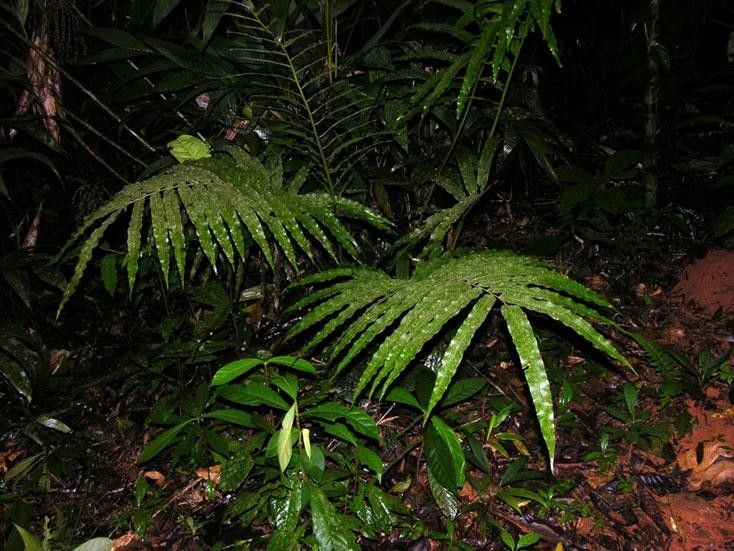
Propagating the Sickle Fern (Thelypteris falcata): A Gardener’s Guide
Introduction:
Thelypteris falcata, commonly known as the Sickle Fern, is a captivating fern species prized for its gracefully arching fronds with characteristically sickle-shaped pinnae. Its lush, vibrant green foliage makes it a desirable addition to shady gardens, providing texture and a touch of the wild. While its beauty is widely appreciated among gardeners, propagating this fern presents unique challenges. Its relative scarcity in commercial nurseries makes successful propagation all the more rewarding for the dedicated plant enthusiast.
Seed Germination:
Currently, there are no known reliable methods for seed germination propagation of Thelypteris falcata. While Thelypteris species generally reproduce via spores, successful germination from these spores in a controlled environment for this specific species has not been widely documented or replicated. Further research into the specific germination requirements of T. falcata spores may be needed before this method becomes viable.
Cuttings:
Cuttings are not a practical method for propagating Thelypteris falcata. Ferns, unlike many flowering plants, do not readily root from stem or leaf cuttings. Attempts at this method are unlikely to yield successful results.
Division:
Division is the most reliable and commonly used method for propagating Thelypteris falcata. This involves carefully separating the mature rhizomes (underground stems) of an established plant into smaller sections, each with its own set of actively growing fronds and roots.
Challenges: The main challenge lies in carefully dividing the rhizome without damaging the delicate roots and growing points. Overly aggressive division can severely weaken or kill the parent plant and the divisions themselves.
Practical Tips: The best time to divide is during the spring or early summer when the fern is actively growing. Use a sharp, clean knife or spade to carefully separate the rhizomes. Ensure each division has several healthy fronds and a substantial amount of root material. Plant the divisions immediately into moist, well-drained soil rich in organic matter, keeping them in a partly shaded location.
Rewards: Division allows for relatively quick propagation, creating multiple plants from a single mature specimen. While it doesn’t introduce genetic diversity like seed propagation, it ensures the preservation of desirable traits from the parent plant.
Tissue Culture:
Tissue culture offers a potential, albeit more technically demanding, method for propagating Thelypteris falcata. This laboratory-based technique involves growing plantlets from sterile tissue samples under controlled conditions.
Challenges: Tissue culture requires specialized equipment, aseptic techniques, and a deep understanding of plant tissue culture protocols. Establishing a suitable medium for the growth and development of T. falcata tissues presents a significant challenge, requiring experimentation to determine the optimal nutrient and hormone concentrations.
Practical Tips: Individuals lacking experience in tissue culture should seek guidance from experienced professionals or consult established protocols for similar fern species. The process involves disinfecting plant material, inoculating it onto sterile nutrient media, and maintaining sterile conditions throughout the process.
Rewards: Tissue culture allows for large-scale propagation, the production of disease-free plants, and the potential for genetic manipulation, although the latter is generally not pursued for ornamental purposes.
Conclusion:
Propagating Thelypteris falcata presents unique challenges, with division proving to be the most readily accessible and successful method for the average gardener. While seed germination and tissue culture remain unexplored or challenging avenues, the rewards of successfully establishing new Sickle Ferns are significant. The ability to increase the number of these elegant plants in your garden, or to share them with fellow plant enthusiasts adds a unique sense of accomplishment. Don’t be disheartened by potential setbacks – patience and attention to detail significantly increase the chances of success. The flourishing green fronds of your propagated fern will be a testament to your dedication and a delightful reward for your efforts.