
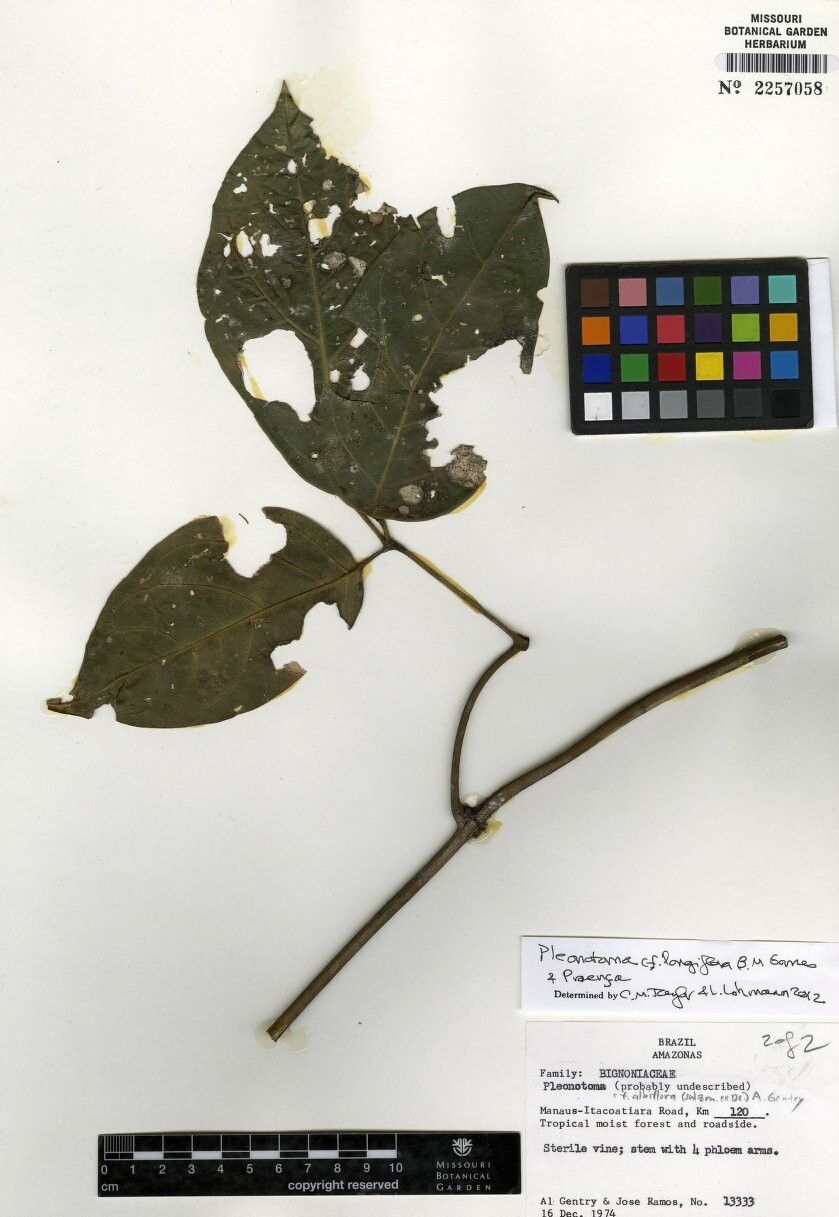
Propagating Pleonotoma longiflora: A Gardener’s Guide to a Rare Beauty
Pleonotoma longiflora, commonly known as the Long-flowered Pleonotoma, is a captivating vine prized for its exquisitely long, pendulous flowers that often reach impressive lengths. Its striking blooms, typically ranging in hues of white, cream, or pale green, and its vigorous climbing habit make it a sought-after addition to any collection of exotic plants. While its beauty is undeniable, propagating this species presents unique challenges, making successful cultivation all the more rewarding.
Seed Germination:
Currently, there are no known reliable methods for seed germination propagation of Pleonotoma longiflora. While seed production may occur in the wild, germination rates appear extremely low, and consistent success in controlled environments has yet to be documented. Further research is needed to explore potential germination inhibitors and optimal germination conditions.
Cuttings:
Cuttings offer a more promising method for propagating Pleonotoma longiflora.
Challenges: The success rate can be somewhat variable, depending on the timing, the age of the stem used, and the environmental conditions. Rooting may be slow.
Practical Tips: Semi-hardwood cuttings taken in late summer or early autumn generally yield the best results. Use a sharp, clean blade to take cuttings of about 4-6 inches long, removing lower leaves to prevent rot. Dip the cut ends in a rooting hormone powder before planting in a well-draining potting mix, ideally one with high perlite content for good aeration. Maintain high humidity (e.g., using a propagation dome or misting regularly) and consistently moist (but not waterlogged) conditions. Bottom heat can significantly improve rooting success.
Rewards: Cuttings offer a relatively straightforward approach to increase the number of plants, preserving the exact genetic characteristics of the mother plant.
Division:
Division is generally not a feasible propagation method for Pleonotoma longiflora. This vine’s root system tends to be quite fibrous and difficult to divide without causing significant damage to the plant. Attempts at division often result in the death of the divided portions.
Tissue Culture:
Tissue culture presents a potentially effective, albeit complex, method for propagating Pleonotoma longiflora.
Challenges: Tissue culture requires specialized equipment, sterile conditions, and a deep understanding of plant tissue culture techniques. It’s a more time-consuming and resource-intensive method than cuttings. Developing an appropriate medium and sterilisation protocol specific to this species is crucial.
Practical Tips: Successful tissue culture typically involves establishing aseptic cultures from actively growing shoot tips or nodal segments. Appropriate growth regulators need to be carefully selected to induce shoot proliferation and rooting.
Rewards: Tissue culture allows for the rapid multiplication of plants, generating a large number of genetically identical plants from a small amount of source material. This is particularly advantageous for rare or endangered varieties.
Conclusion:
Propagating Pleonotoma longiflora is not a trivial undertaking. While seed germination presents an insurmountable challenge at present, cuttings offer the most accessible method for propagation, provided attention is given to the right techniques and environmental conditions. Tissue culture holds the potential for large-scale propagation but demands substantial expertise and resources. The challenges involved only serve to amplify the satisfaction of successfully nurturing a cutting into a mature vine, bearing its breathtaking blooms. For those willing to put in the time and effort, the reward of cultivating this rare beauty is deeply fulfilling. Don’t be discouraged by initial setbacks; perseverance and careful observation are key to achieving success in propagating this exceptional plant.