
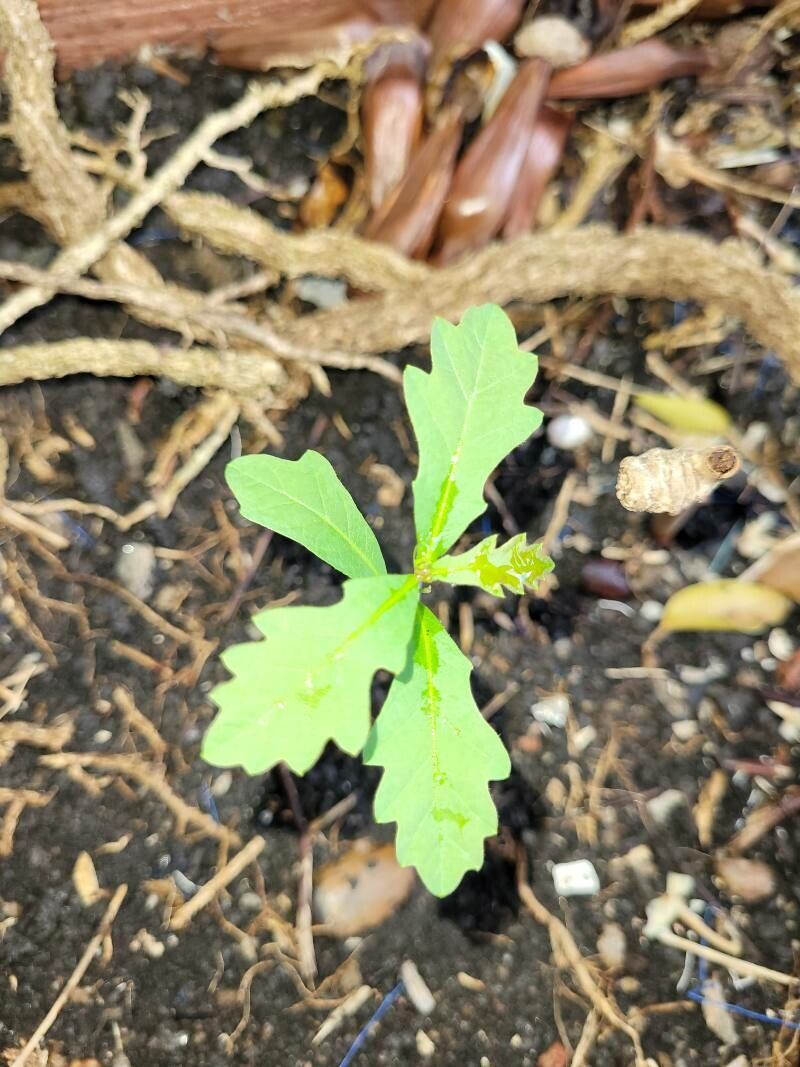
Propagating the Majestic White Oak (Quercus alba): A Gardener’s Guide
Introduction:
Quercus alba, the majestic White Oak, is a keystone species in North American forests, renowned for its robust growth, long lifespan (up to 500 years!), and striking, light-grey bark. Its acorns are a vital food source for wildlife, and its imposing stature makes it a highly desirable ornamental tree for large landscapes. While its slow growth rate requires patience, the beauty and longevity of the White Oak make it a rewarding addition to any garden. Propagating White Oaks, however, presents unique challenges due to its specific germination requirements and relatively low success rates with common vegetative propagation techniques.
Seed Germination:
Seed germination is a viable, albeit challenging, method for propagating Quercus alba. The major hurdle is overcoming seed dormancy. White Oak acorns exhibit a type of dormancy known as morphological dormancy, meaning the embryo is underdeveloped at maturity and requires a period of chilling to stimulate growth.
Challenges: Acorns are susceptible to fungal diseases and insect damage, requiring careful collection and storage. The germination rate is notoriously low, even under ideal conditions.
Practical Tips: Collect acorns in the fall, after they’ve fallen naturally but before they’ve begun to decay. Remove any damaged or infested acorns. Stratification is crucial: mix the acorns with moist peat moss or vermiculite in a container, and store them in a refrigerator at 35-40°F (2-4°C) for 90-120 days. After stratification, sow the acorns in well-draining potting mix at a depth of about 1-2 inches. Maintain consistent moisture levels and provide indirect sunlight.
Rewards: Successful germination from seed ensures high genetic diversity within your propagated trees. This method also offers the potential for large-scale propagation, ideal for reforestation efforts or creating a sizeable oak grove.
Cuttings:
Currently, there are no known reliable methods for propagating Quercus alba from cuttings. White Oak, like many mature hardwood trees, shows limited ability to root from cuttings.
Division:
Division is not a feasible method for propagating Quercus alba. This method works best for plants with multiple stems arising from a central root system, which is not the case for this large, tree-like species.
Tissue Culture:
While tissue culture offers a promising avenue for the propagation of many difficult-to-propagate plants, it’s generally cost-prohibitive and requires specialized laboratory equipment and expertise. Though technically feasible, it isn’t a practical method for the average home gardener.
Conclusion:
Propagating Quercus alba presents challenges, primarily with seed germination. While cuttings, division, and home tissue culture are essentially infeasible, the rewards of cultivating this magnificent tree from seed, particularly the genetic diversity and the potential for large scale propagation, outweigh the difficulties for those dedicated to the task. The long lifespan and majestic beauty of the mature White Oak offer a profound satisfaction, serving as tangible testament to one’s patience and horticultural skill. For aspiring propagators, remember consistency in moisture, proper stratification, and careful selection of disease-free acorns are critical. With diligence and a touch of luck, you can contribute to the perpetuation of this iconic tree for generations to come.