
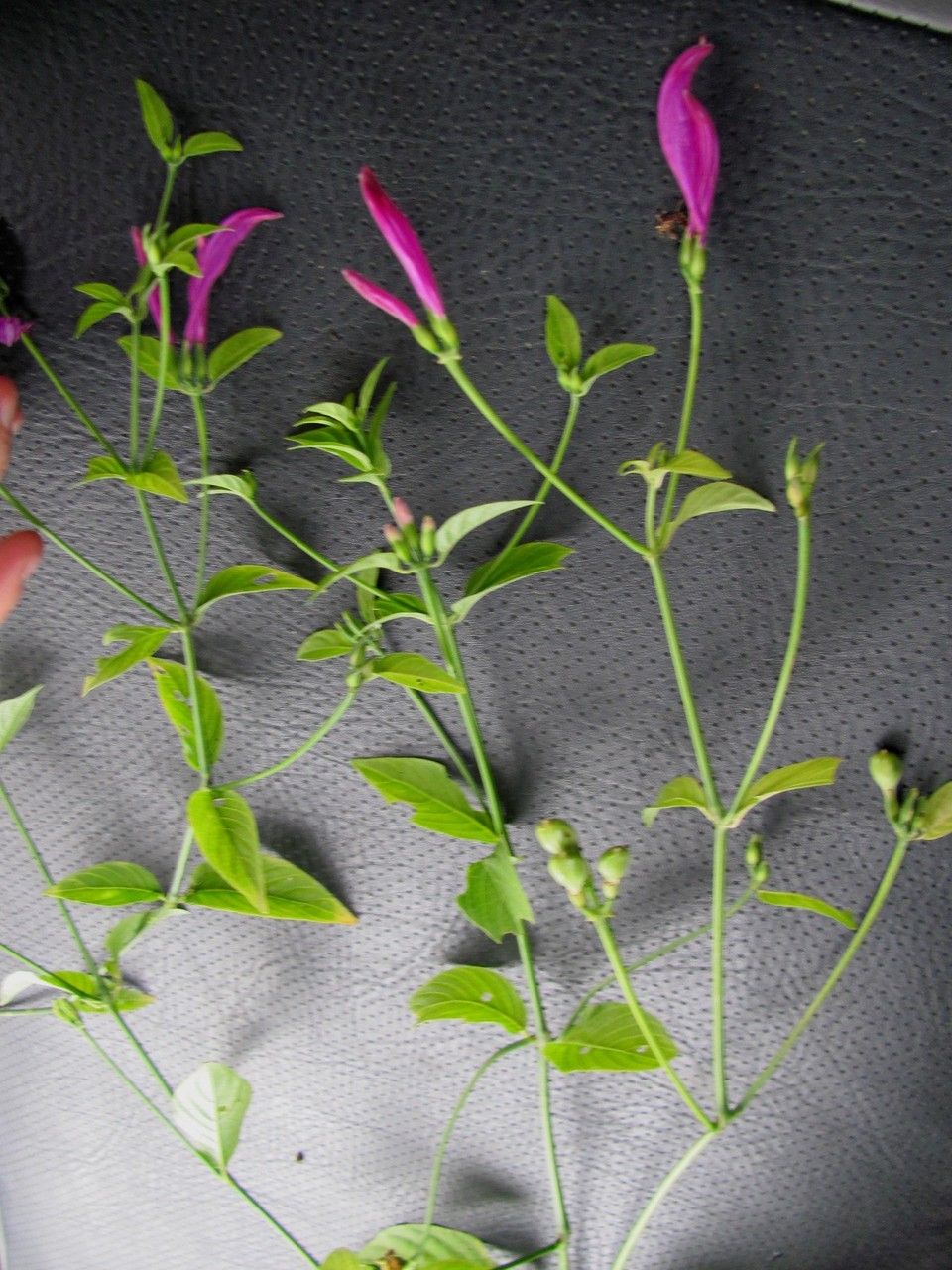
Propagating Dicliptera trifurca: A Gardener’s Guide to the Shrimp Plant
Dicliptera trifurca, commonly known as the Shrimp Plant, is a captivating tropical perennial prized for its uniquely shaped, vibrant flowers resembling miniature shrimps. Its bracts, which encase the true flowers, are typically a striking red-orange, although cultivars exist with pink and white bracts. The Shrimp Plant’s popularity amongst gardeners stems from its ease of care within suitable climates (USDA zones 9-11), its attractive foliage, and the continuous bloom it offers. However, its propagation presents some unique challenges, making a successful outcome especially rewarding.
Seed Germination:
Currently, there are no known reliable methods for seed germination propagation of Dicliptera trifurca. While the plant produces seeds, their germination rate is extremely low, and consistent success remains elusive, even under controlled laboratory conditions. This likely stems from factors such as seed dormancy mechanisms not yet fully understood. Therefore, other propagation methods are recommended.
Cuttings:
Cuttings represent the most common and reliable method for propagating Dicliptera trifurca.
- Challenges: While relatively straightforward, success relies on proper technique to prevent rot and encourage rooting. Overwatering is a significant risk.
- Practical Tips: Take semi-hardwood cuttings, approximately 4-6 inches long, from healthy stems in spring or summer. Remove lower leaves to prevent rotting and dip the cut ends in a rooting hormone. Plant in a well-draining potting mix, such as a perlite and peat moss blend, ensuring good humidity (a humidity dome is beneficial). Keep the cuttings consistently moist but not soggy. Bottom heat can significantly improve rooting success.
- Rewards: Cuttings offer a reliable method for quickly multiplying existing plants, preserving desirable characteristics of the mother plant, and allowing for relatively easy large-scale propagation for commercial purposes or sharing with fellow gardeners.
Division:
Division is another feasible propagation method for Dicliptera trifurca, particularly for larger, established plants.
- Challenges: This method is only viable on mature plants with well-developed root systems and risks damaging the mother plant if not executed carefully. Improper division can lead to plant decline.
- Practical Tips: Divide the plant in spring or early summer during the active growing season. Carefully dig up the plant and gently separate the root ball into several sections, each with its own healthy root system and sufficient stems. Replant immediately in well-draining soil and water thoroughly.
- Rewards: Division provides a quick way to increase the number of plants and can maintain the genetic integrity of the mother plant. This method can be less labor-intensive than propagation from cuttings for established plants.
Tissue Culture:
Tissue culture offers a potentially high-yield method for mass propagation but is not a readily accessible technique for home gardeners.
- Challenges: Tissue culture requires specialized equipment, a sterile environment, and a considerable level of expertise in plant tissue culture techniques. It’s also more expensive than other methods.
- Practical Tips: This method involves sterilizing plant explants (small sections of stem or leaf tissue) and culturing them on a nutrient-rich agar medium. Successful propagation requires strict adherence to sterile conditions to prevent contamination.
- Rewards: Tissue culture allows for the rapid multiplication of plants, generating numerous genetically identical plants from a single explant, making it ideal for large-scale commercial propagation. It also allows for disease elimination.
Conclusion:
Propagating Dicliptera trifurca presents both challenges and rewards. While seed germination is currently unreliable, cuttings provide the most accessible and successful method for the home gardener. Division provides a less labour-intensive alternative for mature plants, and while tissue culture offers high-yield potential, it requires specialized knowledge and equipment. The satisfaction of successfully propagating this beautiful plant, overcoming the hurdles inherent in the process, is deeply rewarding. The vibrant blooms that reward your efforts are a testament to the perseverance and care invested. So, embrace the challenge, experiment with the techniques described, and revel in the beauty of your successfully propagated Shrimp Plants.