
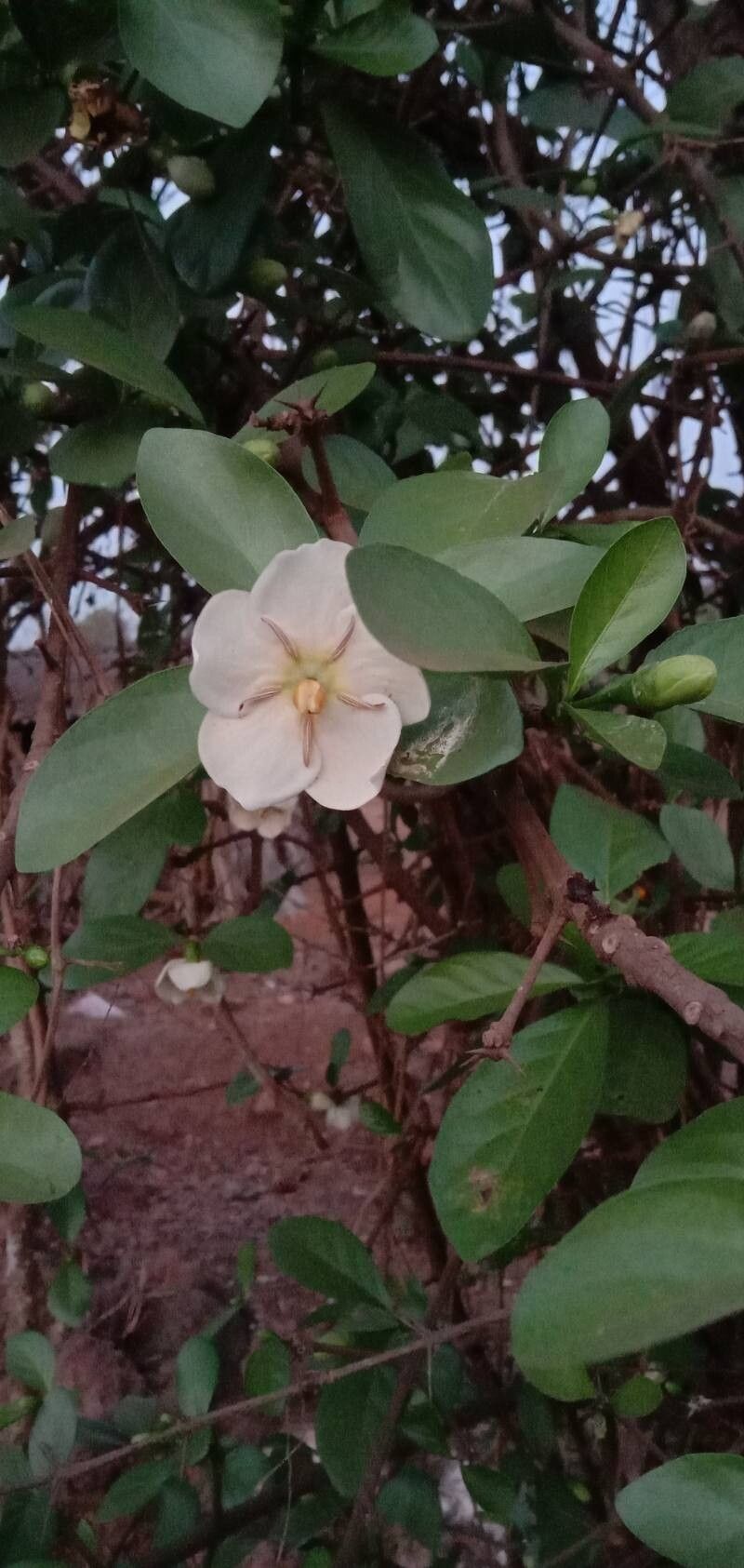
Propagating Tamilnadia uliginosa: A Gardener’s Challenge and Reward
Tamilnadia uliginosa, often called the “Black-fruited Tamilnadia” or simply “Tamilnadia”, is a captivating shrub prized for its glossy, dark green foliage and attractive, usually white, flowers. Its relatively compact habit and tolerance to various conditions make it a desirable addition to gardens, though its propagation presents unique hurdles. While relatively uncommon in cultivation outside of its native range, its distinctive beauty fuels its growing popularity among plant enthusiasts seeking something a little different. This article explores various propagation methods, outlining their challenges and rewards.
Seed Germination:
Currently, there are no known reliable methods for seed germination propagation of Tamilnadia uliginosa. While seeds may be produced, their dormancy or other germination inhibitors significantly hinder successful propagation via this technique. Research into seed germination protocols is needed to determine if this method is viable.
Cuttings:
Cuttings offer a more promising approach to propagating Tamilnadia uliginosa. Semi-hardwood cuttings taken in late spring or early summer show the greatest potential for success.
Challenges: The biggest challenge is rooting. Tamilnadia uliginosa cuttings can be slow to root, requiring patience and consistent conditions. The use of rooting hormone is highly recommended.
Practical Tips: Take cuttings approximately 4-6 inches long, removing lower leaves to prevent rotting. Use a well-draining propagation mix (e.g., a mix of perlite and peat moss). Maintain high humidity (using a plastic bag or humidity dome) and bottom heat (around 70-75°F) to encourage root development. Mist regularly to maintain moisture.
Rewards: Successful propagation from cuttings ensures genetic uniformity, creating clones of the parent plant. This is particularly beneficial if the parent plant displays desirable traits, such as exceptional flower production or disease resistance.
Division:
Division is generally not a practical method for propagating Tamilnadia uliginosa. The root system is not readily divisible, and attempts to divide the plant may severely damage it and reduce its chances of survival.
Tissue Culture:
Tissue culture offers the potential for large-scale propagation and the elimination of diseases.
Challenges: Establishing a successful tissue culture protocol for Tamilnadia uliginosa requires specialized knowledge, sterile conditions, and specific growth media formulations. This method is costly and requires specialized equipment and skills not readily accessible to the average home gardener.
Practical Tips: The process generally involves isolating meristematic tissue from the plant and aseptic cultivation on a suitable plant growth medium. Research on optimal culture medium composition and plant growth regulators (PGRs) are crucial for successful propagation.
Rewards: Tissue culture offers unparalleled potential for rapid and large-scale clonal propagation, allowing the creation of many identical plants from a small amount of source material. This is invaluable for conservation efforts and commercial production.
Conclusion:
Propagating Tamilnadia uliginosa presents distinct challenges across various methods. Seed germination currently appears unviable, while division is impractical. Cuttings offer a reasonably accessible method for home gardeners, albeit demanding patience and diligent attention. Tissue culture offers the greatest potential for large-scale propagation but requires specialized skills and resources.
The rewards, however, are significant. Successfully cultivating this beautiful shrub, after navigating the propagation difficulties, provides a unique sense of accomplishment. The satisfaction of nurturing a cutting from a small stem into a thriving plant is a testament to perseverance and horticultural skill. For aspiring propagators, starting with cuttings, using rooting hormone and ensuring high humidity and consistent warmth, represents a realistic and rewarding entry point into the world of Tamilnadia uliginosa cultivation. Don’t be discouraged by initial setbacks; the beauty of this unique plant makes the effort well worth it.