
Propagating Mikania periplocifolia: A Gardener’s Guide
Introduction:
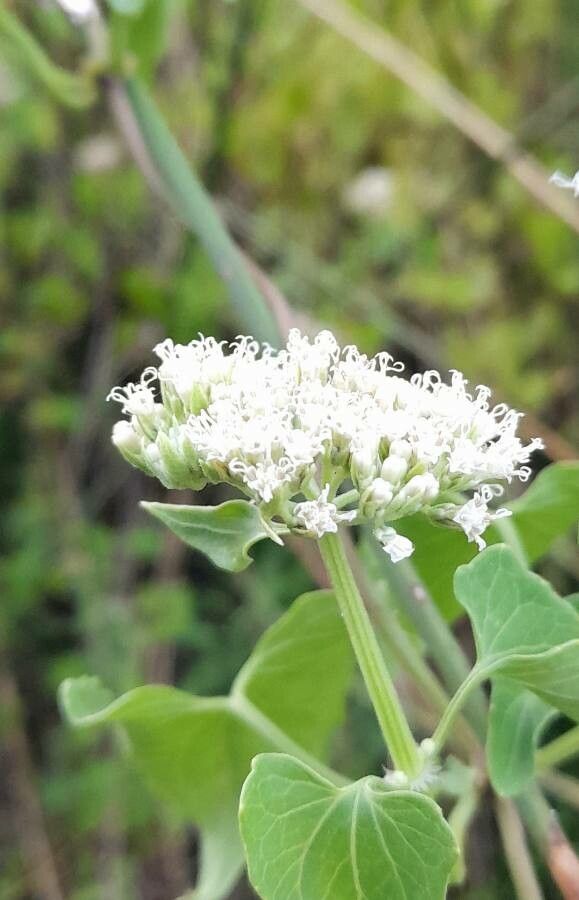
Mikania periplocifolia, also known as Mile-a-minute vine or climbing hempweed, is a rapidly growing, herbaceous vine indigenous to parts of the Americas. Known for its profuse, small white flowers and rapid growth habit, it’s a popular choice among gardeners seeking a quick-covering groundcover or climbing plant. However, its vigorous nature also presents challenges in its cultivation and propagation. While its invasive potential in some regions is a concern, responsible gardeners can enjoy its aesthetic qualities with proper management. Its propagation, however, presents some unique hurdles.
Seed Germination:
Currently, there are no known reliable methods for seed germination propagation of Mikania periplocifolia. While the plant does produce seeds, their germination rate is reportedly extremely low, even under ideal conditions. Further research into specific germination requirements, such as light exposure and precise temperature control, may be necessary to unlock this propagation method. The challenges lie in the potentially low viability of the seeds and the lack of readily available information regarding optimal germination techniques.
Cuttings:
Cuttings offer a far more reliable method for propagating Mikania periplocifolia. Stem cuttings, taken from actively growing shoots in spring or summer, are highly successful.
- Challenges: Root development can be slow if humidity and temperature aren’t meticulously managed. Using rooting hormone can significantly increase success rates.
- Practical Tips: Take 4-6 inch cuttings, removing lower leaves to prevent rotting. Plant cuttings in a moist, well-draining rooting medium (e.g., a mix of peat moss and perlite) under a humidity dome or mist regularly. Maintain a warm temperature (around 70-75°F).
- Rewards: High success rate, rapid growth of new plants from cuttings, relatively easy to implement.
Division:
Division is another viable propagation method, particularly effective for established plants.
- Challenges: Requires already established, mature plants. Dividing the root system too aggressively can harm the parent plant and reduce the viability of the divisions.
- Practical Tips: Divide the plant in spring or autumn, ensuring each division has sufficient roots and healthy shoots. Plant divisions in well-prepared soil and water thoroughly.
- Rewards: Fast establishment of new plants, preserves the genetic characteristics of the parent plant.
Tissue Culture:
Tissue culture offers the potential for large-scale propagation of Mikania periplocifolia and the production of disease-free plants. However, it requires specialized equipment, sterile techniques, and expertise.
- Challenges: High initial investment in equipment and expertise, maintaining sterile conditions throughout the process is crucial to prevent contamination.
- Practical Tips: This is best left to professionals or laboratories specializing in plant tissue culture.
- Rewards: Large-scale multiplication, disease-free plantlets, preservation of genetic material for future propagation.
Conclusion:
Propagating Mikania periplocifolia presents a unique set of challenges and rewards. While seed germination remains elusive, cuttings and division provide reliable, readily accessible methods. Tissue culture offers potential for mass propagation, but requires significant resources. Successfully propagating Mikania periplocifolia, whether through the relatively simple method of cuttings or the more complex approach of tissue culture, provides a unique satisfaction. The plant’s rapid growth and vigorous nature reward the gardener’s patience and perseverance with a thriving, aesthetically pleasing vine. For aspiring propagators, starting with cuttings is the most realistic and rewarding entry point into cultivating this fascinating plant. Remember to consider the plant’s potential for invasiveness and take appropriate management measures to prevent its uncontrolled spread in your garden and surrounding areas.