
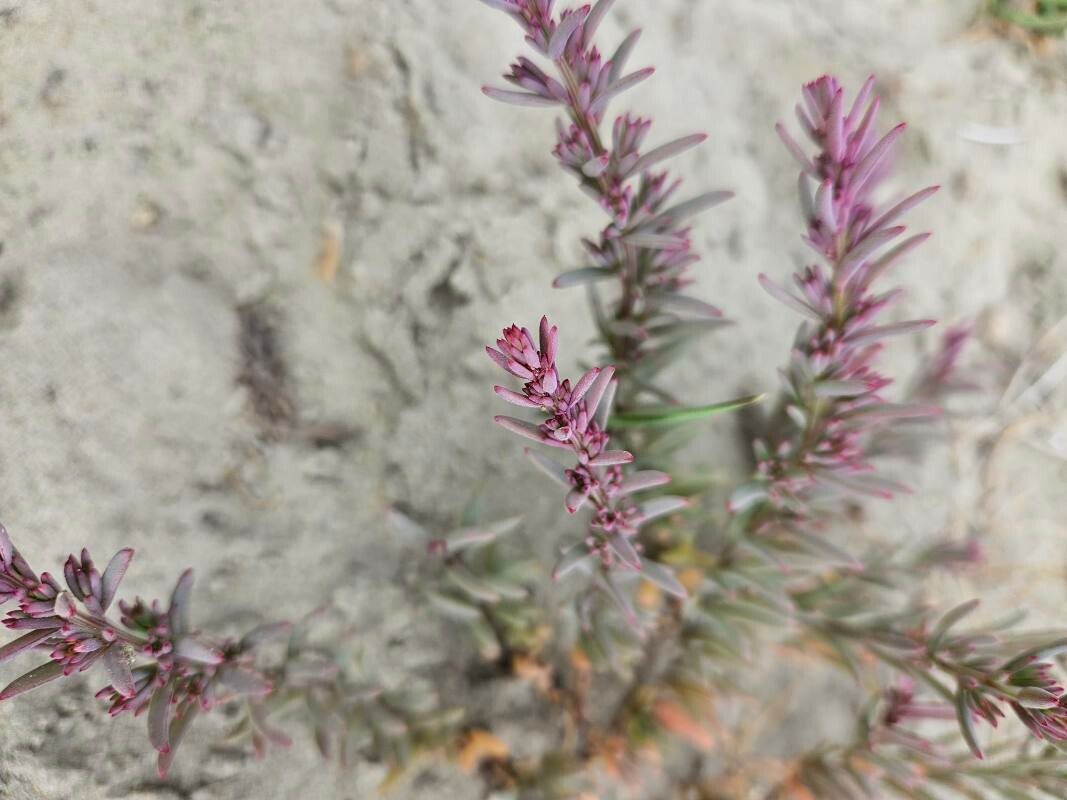
Propagating Suaeda spicata: A Guide to Cultivating the Seablite
Introduction:
Suaeda spicata, commonly known as seablite, is a fascinating halophyte – a plant thriving in saline conditions. Characterized by its succulent, grayish-green leaves and slender, upright stems, it’s a hardy plant increasingly popular among gardeners seeking drought-tolerant and unusual additions to their landscapes, particularly those with coastal or saline-influenced soil. Its unique ability to tolerate high salinity makes it a valuable species for ecological restoration projects. However, propagation of seablite can present certain challenges, making successful cultivation all the more rewarding.
Seed Germination:
Currently, there are no known reliable methods for seed germination propagation of Suaeda spicata. While seeds are produced, their germination rate is exceptionally low, likely due to a combination of factors including dormancy mechanisms and specific environmental requirements that haven’t been fully characterized. Further research is needed to determine if specific pre-treatments (e.g., scarification, stratification) could improve germination success.
Cuttings:
Cuttings offer a more promising method for propagating Suaeda spicata.
Challenges: Success rates can vary depending on the timing of the cuttings (best taken from actively growing shoots in spring or summer), the sharpness of the cutting tool (to minimize damage), and the humidity levels maintained during rooting. Rotting is a significant risk if cuttings are not kept in well-draining substrate.
Practical Tips: Take semi-hardwood cuttings, approximately 4-6 inches long, removing the lower leaves before planting in a well-draining mix (e.g., perlite and peat moss). Maintain high humidity using a propagation dome or plastic bag. Bottom heat can also improve rooting success. Root hormone application may also enhance results.
Rewards: Cuttings provide a relatively quick way to propagate seablite, preserving the genetic characteristics of the mother plant. Larger numbers of plants can be created compared to division.
Division:
Division is a feasible method, particularly for established plants.
Challenges: This method necessitates having an already mature Suaeda spicata to divide. Care must be taken to avoid damaging the root system, which can be delicate. The success of division depends on the health of the parent plant and the size of divisions separated.
Practical Tips: Carefully divide the plant in early spring or fall, ensuring each section has a substantial root system. Plant the divisions in well-drained, saline-tolerant soil, avoiding overwatering initially.
Rewards: Division offers a relatively straightforward means of creating new plants, particularly beneficial for gardeners already possessing mature seablite.
Tissue Culture:
Tissue culture remains largely unexplored as a propagation method for Suaeda spicata.
Challenges: Establishing sterile cultures and determining optimal media formulations for Suaeda spicata would require significant research effort. This method is more technically demanding and expensive than cuttings or division.
Practical Tips: Research into suitable explant types, growth regulators, and media compositions would be necessary before attempting this propagation method.
Rewards: Tissue culture offers the potential for rapid mass propagation and pathogen-free plants, though this remains largely unproven for this species.
Conclusion:
Propagating Suaeda spicata presents unique challenges, with seed propagation proving unreliable currently. Cuttings represent the most accessible and successful method for most home gardeners. Division is also viable for established plants. Tissue culture holds potential for large-scale propagation, but requires further research. The rewards, however, are significant. The satisfaction of successfully cultivating this fascinating halophyte, overcoming the challenges inherent in its propagation, adds a unique layer of accomplishment to the gardening journey. For aspiring propagators, patience, careful attention to detail, and persistence are key to success with this remarkable plant. Don’t be discouraged by initial setbacks; learn from each attempt and enjoy the journey of bringing this unique plant into your garden.