
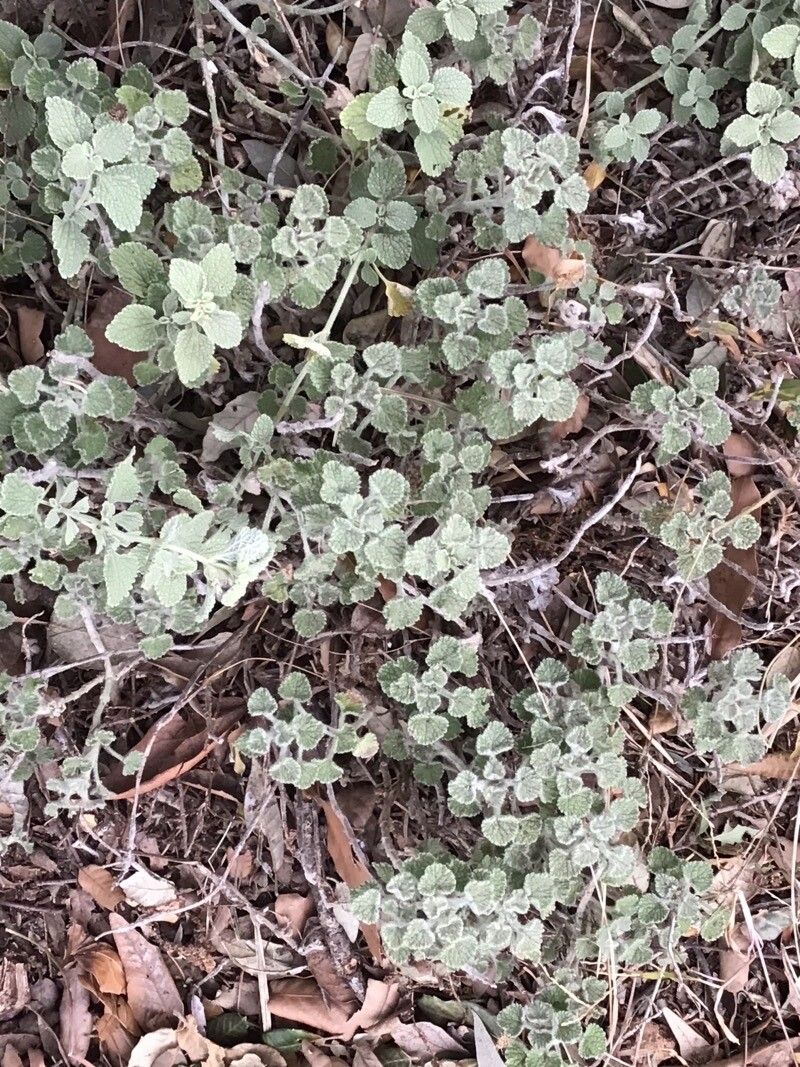
Propagating Marrubium multibracteatum: A Gardener’s Guide
Introduction:
Marrubium multibracteatum, also known as many-bracted horehound, is a fascinating and relatively uncommon perennial herb belonging to the Lamiaceae family. Characterized by its square stems, aromatic foliage, and charming, small white flowers, it holds a special appeal for gardeners seeking unique and low-maintenance additions to their landscapes. Its drought tolerance and resilience make it a desirable addition to xeriscapes or areas with poor soil. While its popularity is growing, readily available propagation information is limited, underscoring the unique satisfaction derived from its successful cultivation.
Seed Germination:
Currently, there are no known reliable methods for seed germination propagation of Marrubium multibracteatum. While the plant likely produces viable seeds, their germination rate appears to be exceptionally low, and consistent success using this method has yet to be documented. Further research is needed to determine if specific pre-treatment techniques (such as scarification or stratification) might improve germination.
Cuttings:
Cuttings offer a more reliable method for propagating Marrubium multibracteatum.
Challenges: Rooting can be slow and inconsistent. The success rate is highly dependent on factors like the age and health of the parent plant, the timing of the cuttings (ideally taken in spring or early summer from semi-hardwood growth), and the environmental conditions (humidity and temperature).
Practical Tips: Use 4-6 inch stem cuttings, removing lower leaves to prevent rot. Dip cuttings in rooting hormone before planting in a well-draining propagation mix, maintaining consistently moist but not soggy conditions. High humidity (achieved with a humidity dome or plastic bag) is crucial. Propagation under mist is favorable.
Rewards: Cuttings offer a relatively quick way to generate new plants that are genetically identical to the parent plant, preserving desirable traits. This method is especially suitable for smaller-scale propagation efforts when preserving specific cultivars is desired.
Division:
Division is a fairly successful propagation method for Marrubium multibracteatum, especially for established plants.
Challenges: The plant may be slow to establish new growth after division, requiring patience and careful handling to avoid damaging the root system. Spring or autumn are generally the best times to divide, allowing the plant time to recover before the onset of extreme weather.
Practical Tips: Carefully dig up the established plant and gently separate the root crown into several divisions, ensuring each division has sufficient roots and stems. Replant immediately, watering thoroughly.
Rewards: Division is a simpler propagation method than cuttings, providing a reasonably high success rate and enabling multiplication of existing plants. It is better suited for larger-scale propagation compared to cuttings when large-quantities are needed.
Tissue Culture:
Tissue culture propagation for Marrubium multibracteatum has not been widely explored or documented.
Challenges: The optimal protocols (media composition, growth regulators, etc.) for successful tissue culture of this species would need to be established through experimentation. This requires specialized equipment and expertise.
Practical Tips: Research on plant tissue culture techniques for related species within the Lamiaceae family could provide insights into potential protocols for Marrubium multibracteatum.
Rewards: If successful, tissue culture could provide a method to massively propagate the plant, preserving selected genetic material. This would be particularly useful for commercial purposes or conservation efforts.
Conclusion:
Propagating Marrubium multibracteatum presents unique challenges, with seed propagation currently unfeasible. Cuttings and division offer more viable options, with division generally considered the more straightforward approach for most gardeners. Tissue culture holds immense potential but requires specialized knowledge and resources. Each method has its own rewards, offering various scales of propagation, from preserving individual plant characteristics to large-scale cultivation. While the difficulties might seem daunting, the inherent satisfaction of successfully propagating this charming herb, overcoming the challenges and observing its growth, far outweighs the effort involved. For aspiring propagators, starting with either division or cuttings, coupled with diligent observation and care, provides the most promising path to success, ultimately rewarding the gardener with a flourishing patch of many-bracted horehound.