
Propagating Polystachya alpina: A Challenge Worth Embracing
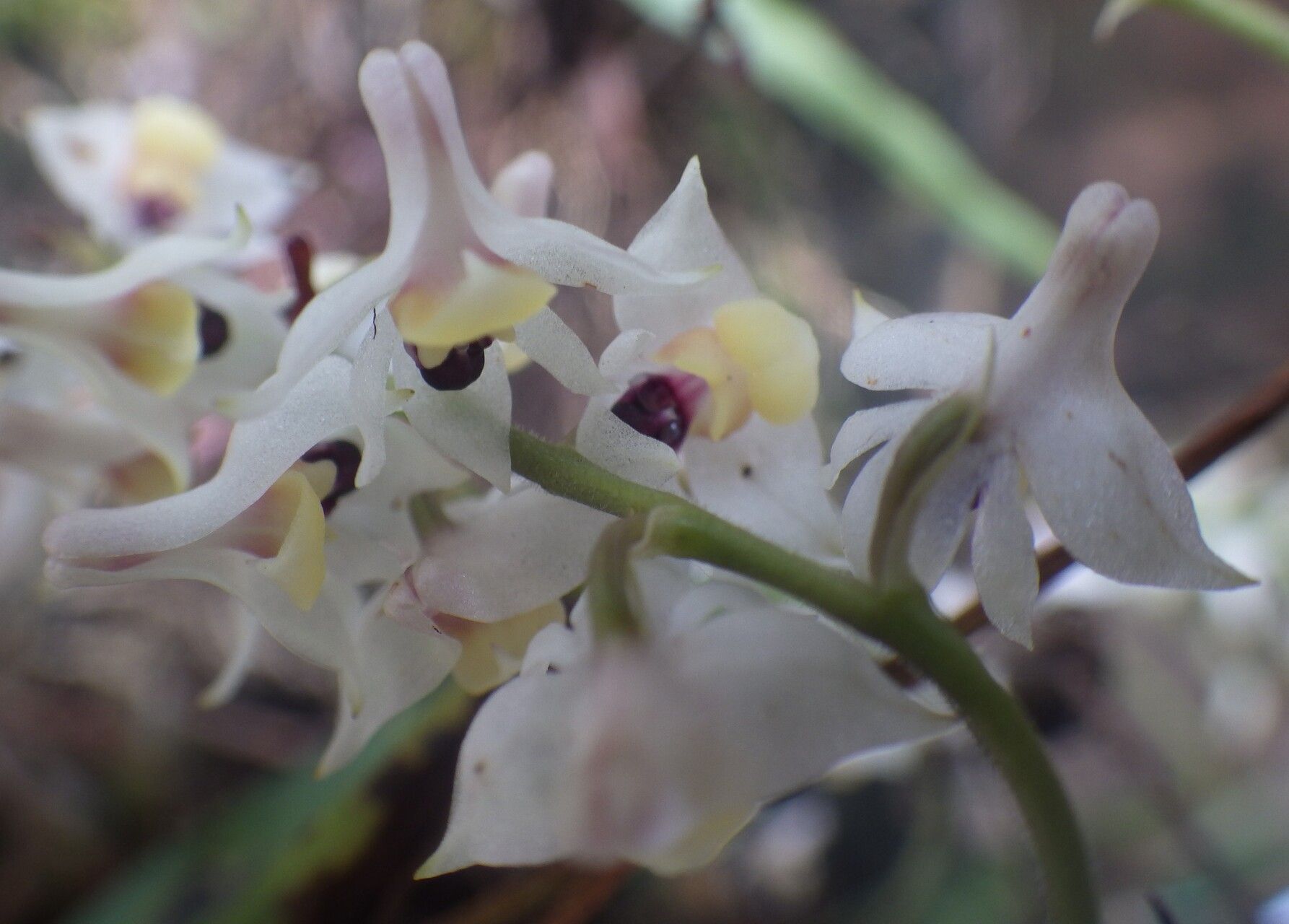
Polystachya alpina, sometimes known as the Alpine Polystachya, is a captivating miniature orchid prized by enthusiasts for its delicate, often fragrant, flowers and its adaptability to various growing conditions. Its compact size and relatively easy cultivation, once established, make it a desirable addition to any orchid collection. However, propagating this beautiful species presents several challenges, making successful multiplication a rewarding accomplishment.
Seed Germination:
Currently, there are no known reliable methods for seed germination propagation of Polystachya alpina. Orchid seeds are famously minute and lack the endosperm necessary for independent germination. They require a symbiotic relationship with specific mycorrhizal fungi to germinate successfully, a relationship difficult to replicate in a home or even most professional laboratory settings. While laboratory-based asymbiotic germination is possible for some orchids, it requires specialized equipment and techniques beyond the reach of most hobbyists.
Cuttings:
Propagating Polystachya alpina through cuttings is also generally unsuccessful. Unlike some other plants, orchids rarely root from stem or leaf cuttings. The specialized physiology of orchids requires specific hormonal and environmental conditions not easily replicated with simple cutting methods. Attempting stem cuttings is unlikely to yield positive results.
Division:
Division is the most practical and reliable method for propagating Polystachya alpina. This involves separating mature plants into multiple divisions, each containing healthy roots and several pseudobulbs.
- Challenges: Successfully dividing Polystachya alpina requires careful handling to avoid damaging the delicate roots. Over-division can stress the parent plant and the resulting divisions, leading to poor growth or even death. The plant needs to be sufficiently mature with enough pseudobulbs to ensure each division has a chance of survival.
- Practical Tips: Divide the plant during its active growth period (spring or early summer). Use a sharp, sterile knife or shears. Ensure each division has several healthy pseudobulbs and a good root system. Pot the divisions in a well-draining medium suitable for orchids, ensuring proper watering and humidity levels. Avoid excessive fertilization immediately after division.
- Rewards: Division offers a relatively straightforward method to increase the number of plants and is the most predictable method for success. It also preserves the genetic characteristics of the parent plant.
Tissue Culture:
Tissue culture offers the potential for large-scale propagation of Polystachya alpina, overcoming the limitations of seed germination and division.
- Challenges: Tissue culture requires specialized equipment, a sterile environment (laminar flow hood), and a thorough understanding of plant tissue culture techniques. The process involves sterilizing plant material, establishing cultures on nutrient media, and inducing shoot and root development. It can be a time-consuming and costly endeavor.
- Practical Tips: This method is best suited for laboratories or specialized nurseries with the necessary resources and expertise. Success hinges on maintaining sterile conditions throughout the process and selecting optimal nutrient media formulations.
- Rewards: Tissue culture allows for rapid multiplication of desirable genotypes, mass production of identical plants, and the potential for disease elimination.
Conclusion:
Propagating Polystachya alpina presents significant challenges, with division being the most accessible and largely reliable method for hobbyists. While seed germination and cuttings are largely ineffective, and tissue culture demands substantial resources, the reward of successfully cultivating this beautiful orchid, particularly through division, is well worth the effort. The satisfaction of nurturing a small division into a thriving plant is a testament to horticultural skill and patience. For aspiring propagators, start with division, master the basics of orchid care, and learn from any setbacks. The journey is as rewarding as the destination.