
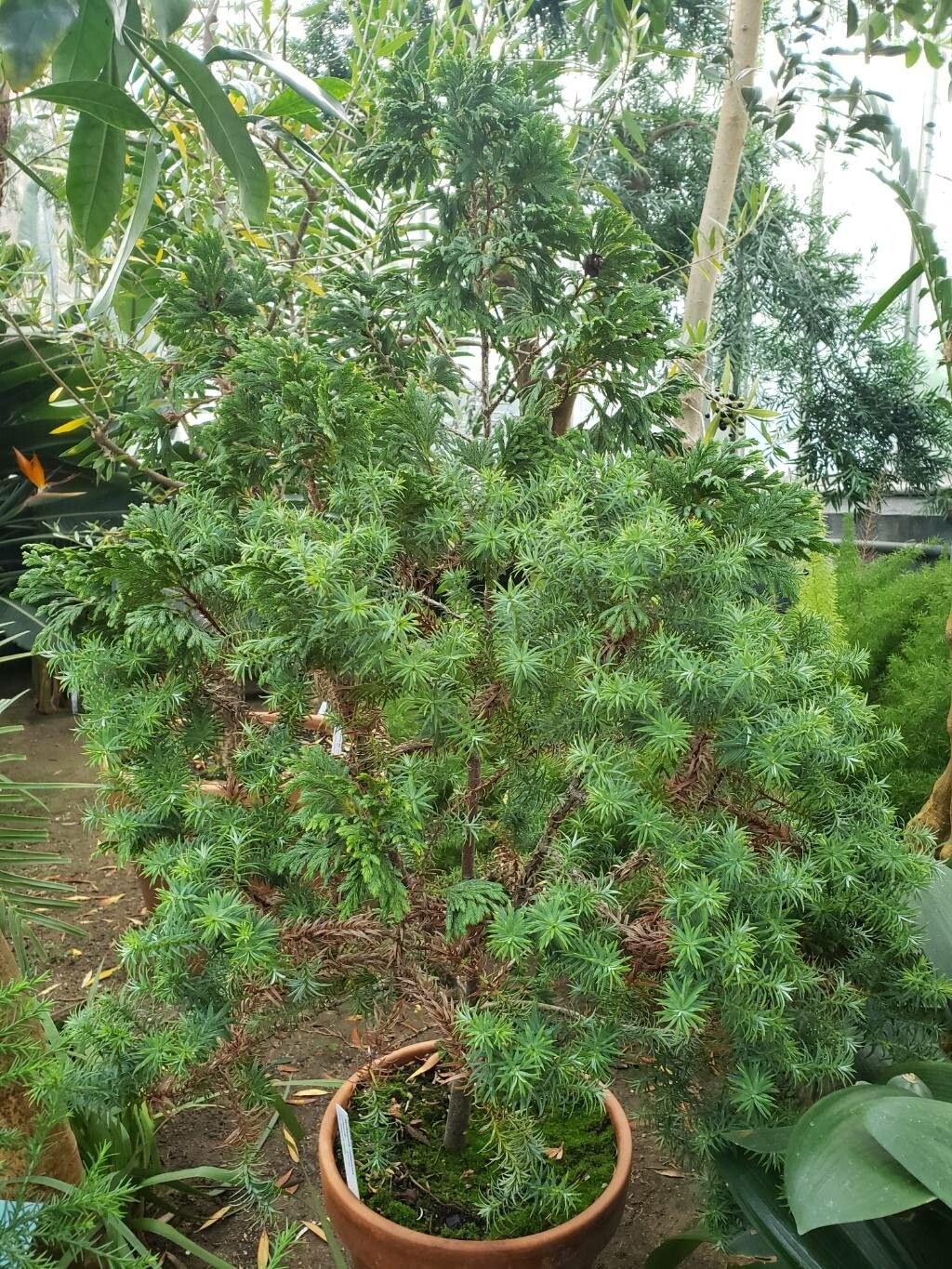
Propagating the Vietnamese Cypress: A Gardener’s Guide to Xanthocyparis vietnamensis
Introduction:
Xanthocyparis vietnamensis, commonly known as the Vietnamese cypress, is a remarkable conifer prized for its elegant, upright habit, aromatic foliage, and striking blue-green to grey-green coloration. Its relative rarity and unique aesthetic qualities have made it increasingly popular among discerning gardeners and collectors. However, propagating this species presents certain challenges, making successful cultivation a rewarding endeavor for the dedicated plant enthusiast. This article explores various propagation methods for Xanthocyparis vietnamensis, weighing their respective advantages and disadvantages.
Seed Germination:
Currently, there are no known reliable methods for seed germination propagation of Xanthocyparis vietnamensis. While the species produces seeds, germination rates are exceptionally low, and successful seedling establishment is rarely reported. Further research is needed to identify optimal germination conditions, possibly involving specific stratification techniques or hormonal treatments.
Cuttings:
Cuttings represent a more promising method for propagating Xanthocyparis vietnamensis.
Challenges: Rooting success can be inconsistent and relatively slow. The semi-hardwood cuttings taken in late summer or early autumn are generally preferred.
Practical Tips: Use a sharp knife or shears to take cuttings of approximately 10-15cm, removing lower needles to expose the stem. Dip the cut ends in a rooting hormone before planting in a well-draining, moist, yet not overly wet, propagation mix (e.g., a blend of perlite and peat moss). Maintain high humidity using a propagator or plastic covering and provide bottom heat (around 20-24°C) to encourage root development. Mist regularly to keep the cuttings hydrated.
Rewards: Cuttings offer a relatively reliable method for clonal propagation, ensuring that the new plants retain the characteristics of the parent plant. This is particularly useful for maintaining specific cultivars or desirable traits.
Division:
Division is generally not a practical method for propagating Xanthocyparis vietnamensis. The plant’s structure does not readily lend itself to being divided into viable, independent units. Attempts to divide the root system are likely to result in damage and reduced chances of survival for the separated portions.
Tissue Culture:
Tissue culture offers a potential avenue for large-scale propagation of Xanthocyparis vietnamensis.
Challenges: Establishing aseptic techniques and developing optimal culture media are essential for success. This method requires specialized equipment and expertise, limiting its accessibility to most home gardeners.
Practical Tips: Specialized laboratories specializing in conifer propagation are best equipped to carry out tissue culture propagation. Success depends on careful selection of explant material, accurate control of environmental conditions, and the use of appropriate plant growth regulators.
Rewards: Tissue culture provides the most reliable method for mass production of genetically identical plants. This is particularly important for rare cultivars or where large quantities of plants are required for commercial purposes.
Conclusion:
Propagating Xanthocyparis vietnamensis presents unique challenges, with seed germination proving unreliable. Cuttings offer a more achievable method for the home gardener, though patience and attention to detail are crucial for success. Tissue culture holds the potential for large-scale propagation, but its specialized nature limits accessibility. The difficulty in propagation contributes to the rarity and high value of this beautiful conifer. The satisfaction gained from successfully propagating Xanthocyparis vietnamensis, whether through cuttings or tissue culture, is directly proportional to the challenges overcome. This ultimately adds to the unique pleasure derived from nurturing these elegantly striking trees. Aspiring propagators should begin with cuttings, using good quality rooting hormone and maintaining consistent humidity and temperature. With persistence, the reward of successfully cultivating this impressive plant is well worth the effort.