
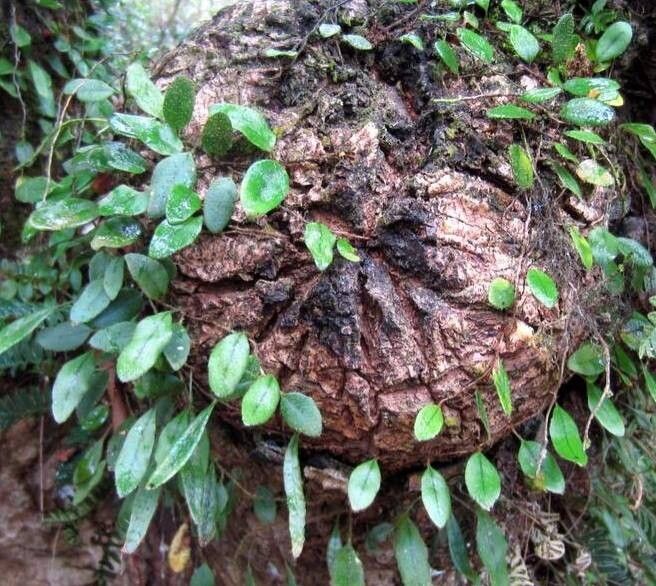
Propagating Microgramma tecta: A Guide to the Hidden Jewel Fern
Introduction
Microgramma tecta, also known as the hidden-veined polypody or simply the “hidden jewel fern,” is a captivating epiphytic fern prized for its delicate, textured fronds and adaptability. Its small size, combined with its tolerance of diverse conditions, makes it a popular choice among indoor and outdoor gardeners, particularly those focused on creating miniature landscapes or terrariums. Unique to this species is its ability to thrive in relatively low-light conditions, making it a versatile addition to various environments. However, propagation presents some challenges, making successful cultivation a rewarding experience.
Seed Germination
Currently, there are no known reliable methods for seed germination propagation of Microgramma tecta. The spores produced by the fern are notoriously minute and challenging to manage, and successful germination rates remain exceptionally low, even under laboratory conditions. Further research into spore germination requirements might yield some success in the future, particularly through optimization of humidity and nutrient conditions.
Cuttings
Propagating Microgramma tecta via cuttings is also generally unsuccessful. This fern does not readily produce adventitious roots from stem or frond cuttings. While some anecdotal evidence suggests limited success with rhizome cuttings under very specific humidity and temperature conditions, this method remains unreliable and not widely recommended for the home propagator.
Division
Division offers the most straightforward and reliable method for propagating Microgramma tecta. This involves carefully separating established clumps of rhizomes into smaller sections, each containing several healthy fronds and sufficient root material.
Challenges: Successful division depends on the health and maturity of the parent plant. Forcing division on a small or unhealthy plant may result in the death of both the parent and the offspring. Careful handling to prevent damage to the fragile rhizomes is crucial.
Practical Tips: The best time for division is during the growing season (spring or early summer). Use a sharp, sterile knife or shears to divide the rhizome, ensuring each section possesses roots and healthy fronds. Plant the divisions immediately into a well-draining potting mix that retains moisture. Maintain high humidity and consistently moist (not soggy) soil until new growth appears.
Rewards: Division provides a relatively quick and simple method for increasing the number of plants, with a high success rate when performed correctly. It also avoids the genetic bottleneck associated with some propagation methods.
Tissue Culture
Tissue culture offers the potential for large-scale propagation of Microgramma tecta.
Challenges: This method demands specialized equipment, a sterile laboratory environment, and a thorough understanding of plant tissue culture techniques. Developing the appropriate nutrient and hormonal media for optimal growth is crucial and may require experimentation.
Practical Tips: Sterilizing all tools and materials is paramount to prevent contamination. The selection of explant tissue (e.g., leaf sections, gametophytes) significantly impacts the success rate. Experienced tissue culture professionals typically work with sterile procedures within laminar flow hoods to prevent microbial contamination.
Rewards: Tissue culture allows for rapid and large-scale clonal propagation, maintaining the genetic consistency of desirable plants. It is particularly useful for preserving rare cultivars or producing large quantities for commercial purposes.
Conclusion
Propagating Microgramma tecta presents several challenges. While seed germination and cuttings are currently impractical, division offers a reliable, albeit limited, method for home gardeners. Tissue culture, though complex, promises large-scale propagation but requires specialized knowledge and facilities. The rewards, however, are considerable. The successful cultivation of this charming fern, particularly through division, delivers a profound sense of accomplishment that transcends the simple act of propagation. It’s a testament to patience, attention to detail, and a deep appreciation for the intricacies of the natural world. For those willing to embrace the challenges, the hidden jewel fern offers the unique satisfaction of nurturing a remarkable and rewarding plant. Begin with division and, if you have the resources and expertise, explore the possibilities of tissue culture. The perseverance is well worth it.