
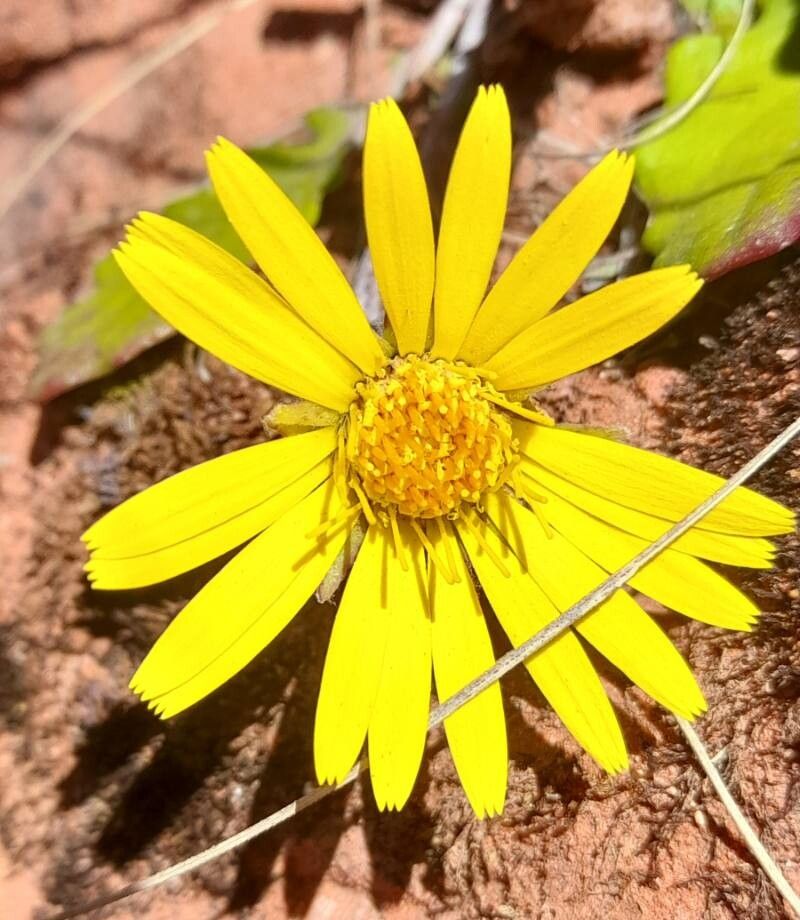
Propagating Trichocline macrorhiza: A Gardener’s Guide to the Chilean Flannel Flower
Introduction:
Trichocline macrorhiza, also known as the Chilean Flannel Flower, is a captivating South American native prized for its soft, velvety foliage and charming daisy-like blooms. Its attractive silvery-grey leaves and vibrant flowerheads, ranging from white to pale pink and purple, make it a sought-after addition to rock gardens, borders, and containers. Its drought tolerance and adaptability to various soil types contribute to its growing popularity among gardeners. However, propagation isn’t always straightforward, presenting both challenges and rewarding experiences for enthusiasts. This article explores various methods of propagating Trichocline macrorhiza.
Seed Germination:
Currently, there are no known reliable methods for seed germination propagation of Trichocline macrorhiza. While the plant produces seeds, their germination rate is reportedly extremely low, and successful germination has not been widely documented. Further research into specific germination requirements, such as light conditions, temperature stratification and potential dormancy-breaking treatments may be needed before seed propagation becomes a viable option.
Cuttings:
- Challenges: Softwood cuttings from new growth, taken in spring, are the most probable successful approach. However, success rates can be variable, and cuttings may be susceptible to rot if not properly cared for.
- Practical Tips: Take cuttings of about 8-10 cm, removing lower leaves to prevent rot. Dip the cut ends in a rooting hormone powder to stimulate root development and plant into a well-draining propagating mix (e.g., a mix of perlite and peat moss). Maintain a consistently moist (but not waterlogged) environment using a humidity dome or plastic bag to retain moisture and warmth. High humidity and good airflow are also essential. Place in bright, indirect light, avoiding direct sun.
- Rewards: Successful rooting from cuttings offers a relatively quick method to produce genetically identical plants, ideal for preserving desirable plant traits.
Division:
- Challenges: Division is only feasible for established, mature plants. Care must be taken to avoid damaging the delicate roots during the division process.
- Practical Tips: The best time for division is in spring or early autumn. Carefully dig up the mature plant and gently separate the root crown into sections containing several shoots and roots. Replant the divisions immediately, ensuring they have adequate space. Water thoroughly after planting.
- Rewards: Division is a simple and efficient method that provides quick propagation, generating several plants from a single parent. It’s ideal for maintaining existing varieties and it is relatively low-risk compared to other methods.
Tissue Culture:
- Challenges: Tissue culture requires specialized equipment, sterile conditions, and technical expertise, making it a less accessible method for amateur gardeners. Optimal media formulations for Trichocline macrorhiza would also need to be developed.
- Practical Tips: Aseptic techniques are crucial. This involves sterilizing all equipment and media to eliminate any contaminants that can infect the plant tissues. The selection of appropriate growth media and hormones is essential for stimulating vigorous growth.
- Rewards: Tissue culture offers the potential for mass propagation, rapid multiplication, and the eradication of diseases. However, it’s a more expensive and complex method requiring extensive knowledge and resources.
Conclusion:
Propagating Trichocline macrorhiza presents a unique set of challenges. While seed propagation remains unreliable, cuttings and division offer more practical and rewarding options for the home gardener. Tissue culture represents a powerful, albeit technically demanding alternative for large-scale propagation or the preservation of specific genotypes. The satisfaction of successfully nurturing these delicate plants from cuttings or divisions, overcoming the inherent difficulties, is undoubtedly a rewarding experience for any gardener. Don’t be discouraged by initial setbacks; experimentation and patience are key to mastering the art of propagating the beautiful Chilean Flannel Flower. Remember to maintain meticulous care and provide the appropriate conditions to maximize your chances of success.