
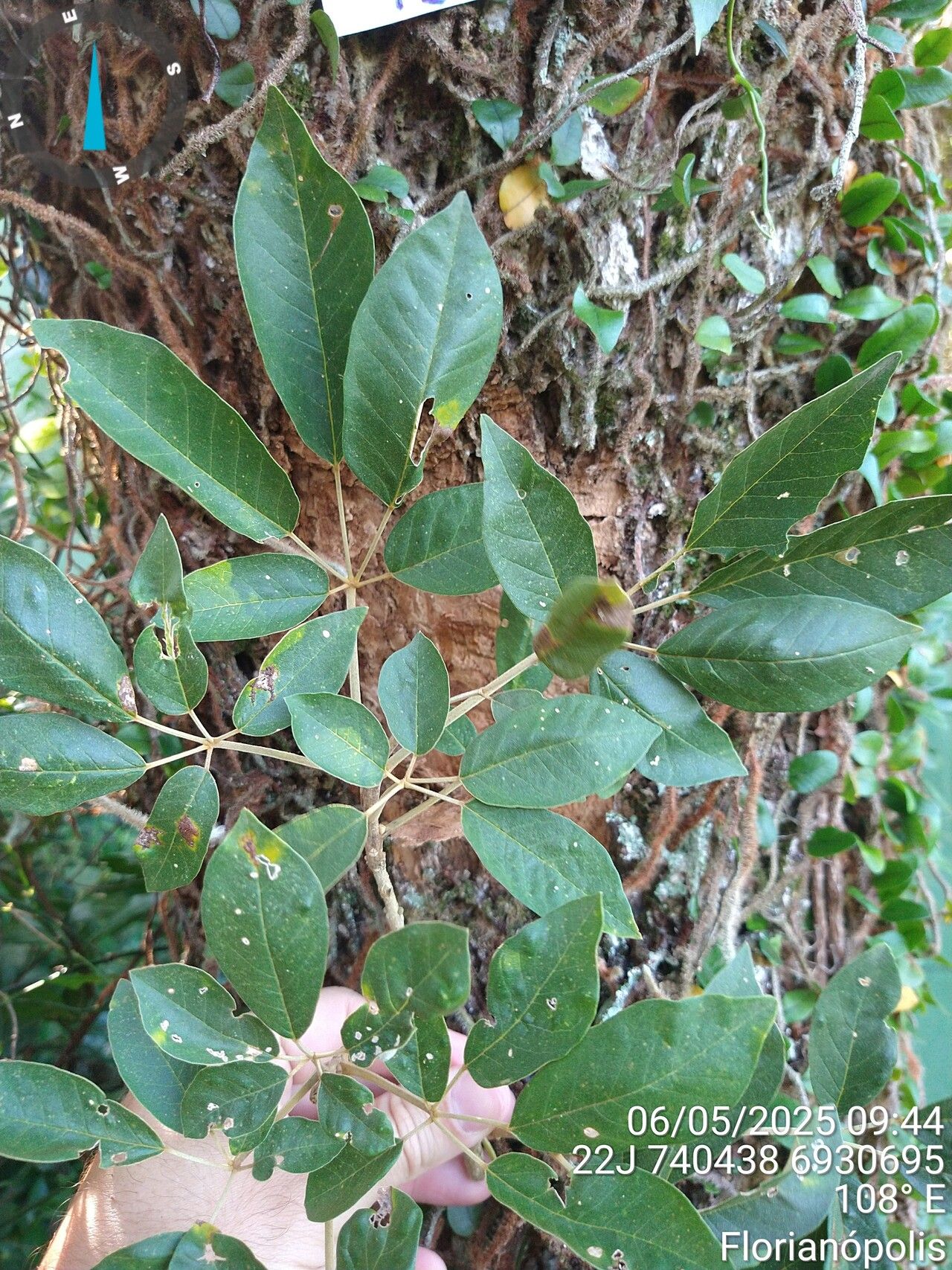
Propagating the Pink Trumpet Tree (Handroanthus pulcherrimus): A Gardener’s Guide
Introduction:
Handroanthus pulcherrimus, commonly known as the Pink Trumpet Tree or Pink Ipê, is a captivating spectacle, renowned for its vibrant pink, trumpet-shaped flowers that adorn the tree during its blooming season. Native to South America, this majestic tree is increasingly popular among gardeners for its stunning floral display, relatively fast growth rate, and drought tolerance once established. However, propagation can prove challenging, requiring a nuanced understanding of its specific needs. While seed propagation is possible, other methods like cuttings, division, and tissue culture offer alternative routes to success, each with its own set of advantages and difficulties.
Seed Germination:
Seed germination is a viable method for propagating Handroanthus pulcherrimus, though it presents some challenges. The seeds possess a hard seed coat which can hinder water uptake, delaying or preventing germination. Therefore, scarification is highly recommended. This can be achieved by gently nicking the seed coat with a file or sandpaper, being careful not to damage the embryo.
Challenges: Slow and uneven germination rates are common. Seed viability can also be a factor, making sourcing high-quality seeds crucial.
Practical Tips: Soak scarified seeds in warm water for 24-48 hours before sowing. Use a well-draining seed-starting mix. Maintain consistent moisture, but avoid overwatering. Warm temperatures (20-25°C) will promote germination. Direct sowing into pots is recommended to avoid transplanting shock.
Rewards: Seed propagation offers the greatest genetic diversity, resulting in a wider range of potential plant variations. It’s also the most cost-effective method for large-scale propagation.
Cuttings:
Cuttings offer a faster route to a mature plant compared to seed propagation, although success rates can be variable.
Challenges: Rooted cuttings are not easily produced from hardwood cuttings. Softwood cuttings taken from new growth in spring or early summer may be successful but require optimal humidity and temperature for successful rooting. Disease is also a potential concern.
Practical Tips: Use rooting hormone to enhance rooting success. Propagate in a humid environment, potentially using a propagation chamber or covering with a plastic bag to maintain high humidity. Use a well-draining medium such as perlite or vermiculite. Keep the cuttings warm and out of direct sunlight.
Rewards: Cuttings maintain the characteristics of the parent plant, ensuring uniformity. It allows for rapid propagation of desirable cultivars.
Division:
Division is not a practical method for propagating Handroanthus pulcherrimus. This tree develops a deep taproot system, making division extremely difficult and damaging to the plant.
Tissue Culture:
Tissue culture offers a precise and efficient method, particularly useful for mass propagation and disease elimination.
Challenges: Requires specialized equipment, sterile conditions, and technical expertise. Costs can be significant.
Practical Tips: Sterile techniques are crucial to prevent contamination. A suitable culture medium with appropriate plant growth regulators is necessary. Specialized training and facilities are usually needed.
Rewards: Allows for rapid clonal propagation, maintaining desirable traits. Eliminates diseases and allows for the production of disease-free plants.
Conclusion:
Propagating Handroanthus pulcherrimus presents unique challenges but also significant rewards. Seed germination, while requiring patience and careful technique, offers the potential for genetic diversity and large-scale production. Cuttings provide a faster, albeit less genetically diverse, approach for creating more plants. Tissue culture boasts high efficiency but demands specialized knowledge and resources. The unique gratification of cultivating this remarkable tree, from a tiny seed or cutting to a vibrant, flowering specimen, makes the effort profoundly worthwhile. Aspiring propagators should choose the method best suited to their resources, skills, and desired scale of production, embracing the challenges with patience and persistence. The breathtaking display of pink trumpets will be a testament to your perseverance.