
Propagating the Monkey Pot Tree (Lecythis pneumatophora): A Horticultural Challenge
Introduction:
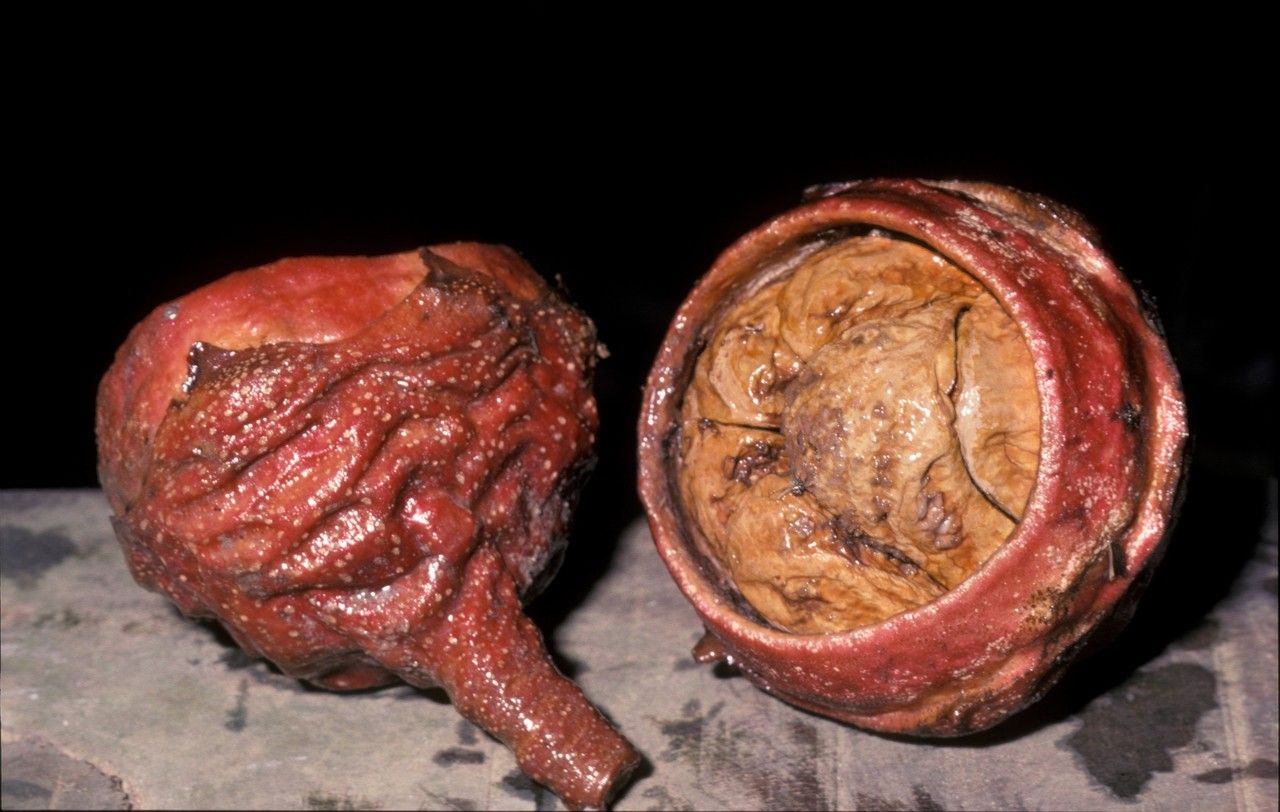
Lecythis pneumatophora, commonly known as the Monkey Pot tree, is a captivating species from the Lecythidaceae family, renowned for its distinctive, pot-shaped fruit. Native to the Amazon rainforest, this tree boasts impressive size, reaching heights of up to 40 meters, and possesses striking, large leaves and beautiful flowers. Its unique fruit, which resembles a monkey’s pot, holds numerous seeds and adds significant horticultural interest. While the tree’s stunning appearance makes it a popular addition to botanical gardens and the collections of enthusiastic gardeners, its propagation poses considerable challenges. The unique aspects of the species, including its rainforest origin and specific germination requirements, contribute to the difficulties involved.
Seed Germination:
Seed germination is a viable, albeit challenging method for propagating Lecythis pneumatophora. The primary challenge lies in the hard seed coat, which often requires pre-treatment to enhance germination rates. Success hinges on mimicking the natural conditions of the rainforest floor.
Challenges: The hard seed coat inhibits water uptake, delaying or preventing germination. Fungal infections are also a significant risk, especially in damp conditions. Furthermore, achieving the ideal temperature and humidity levels for germination can be difficult outside of a controlled environment.
Practical Tips: Scarification (mechanically weakening the seed coat – e.g., using sandpaper or a file) is crucial. Soaking seeds in water for several days can also assist. Warm stratification (keeping seeds at warm temperatures for a period before sowing) might benefit germination, but further research is needed to optimize this aspect. Using a well-draining seed-starting mix and maintaining consistent high humidity (e.g., using a propagator or humidity dome) are essential. Seeds should be sown shallowly.
Rewards: Seed propagation offers the highest potential for genetic diversity within a population, which is critical for long term health and resilience. The capacity for large-scale propagation, especially for conservation purposes, is a substantial benefit.
Cuttings:
Currently, there are no known reliable methods for propagating Lecythis pneumatophora from cuttings. The large size and woody nature of the stems make rooting extremely difficult.
Division:
Division is not a practical propagation method for Lecythis pneumatophora. This is due to the tree’s large size and single-stem structure, making separation into smaller, viable plants impossible.
Tissue Culture:
Tissue culture presents a potentially viable, albeit highly specialized, method for propagating Lecythis pneumatophora.
Challenges: Establishing aseptic conditions and developing the appropriate nutrient media for successful shoot and root development requires considerable expertise and specialized equipment. The optimization of the tissue culture protocol for this species would need further research and experimentation.
Practical Tips: This technique is best executed in a dedicated laboratory setting with expertise in plant tissue culture. Specialized media, growth regulators, and sterile techniques are mandatory.
Rewards: Tissue culture provides a consistent and rapid method for generating large numbers of genetically identical plants, particularly useful for conservation efforts or large-scale cultivation initiatives.
Conclusion:
Propagating Lecythis pneumatophora presents multifaceted challenges. While seed germination offers a path towards genetic diversity, it requires careful attention to details like scarification, humidity control, and preventing fungal infection. Cuttings and division are not viable options. Tissue culture presents a potentially fruitful, albeit laboratory-intensive, approach. The rewards of successfully cultivating this magnificent tree – its unique beauty and contribution to biodiversity – make the effort worthwhile. Aspiring propagators should approach this venture with patience, meticulousness, and a willingness to experiment. While there are hurdles, the satisfaction of nurturing a Monkey Pot tree from seed or through tissue culture is a deeply rewarding experience, reflecting the dedication and knowledge applied in the process. Persistence and a solid understanding of the plant’s specific needs will increase the chance of success.