
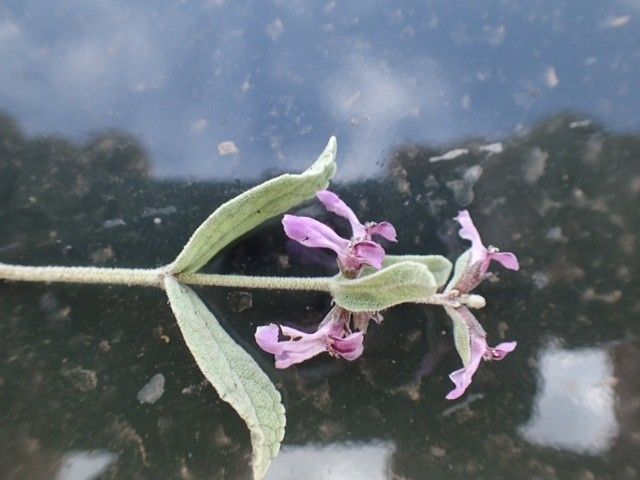
Propagating Stachys argillicola: Unveiling the Secrets of Lamb’s Ear’s Cousin
Stachys argillicola, also known as Clay-loving Stachys or sometimes as a type of Lamb’s Ear due to its similarly fuzzy foliage, is a captivating herbaceous perennial prized for its attractive silvery-grey foliage and charming, often purplish, flowers. Its unique adaptation to clay soils makes it a valuable addition to drought-tolerant gardens, lending a textural and visual interest to landscaping. While not as widely cultivated as its more common Lamb’s Ear cousin (Stachys byzantina), its increasing popularity among gardeners highlights the need for efficient propagation techniques. This article explores various methods for propagating Stachys argillicola, outlining the challenges and rewards associated with each.
Seed Germination:
Currently, there are no known reliable methods for seed germination propagation of Stachys argillicola. While the plant does produce seeds, germination rates are reportedly very low, and successful propagation through this method remains largely undocumented. Further research is needed to determine the optimal conditions for seed germination, if such conditions exist.
Cuttings:
Cuttings offer a viable method for propagating Stachys argillicola.
Challenges: Rooting can be slow and inconsistent. Success depends heavily on environmental factors such as humidity and temperature.
Tips: Take semi-hardwood cuttings in late spring or early summer. Use a rooting hormone to improve success rates. Propagate in a humid environment, ideally a propagator with bottom heat. Maintain consistently moist (but not waterlogged) conditions.
Rewards: Relatively straightforward compared to other methods; produces genetically identical clones, preserving desirable traits.
Division:
Division is arguably the most common and reliable method for propagating Stachys argillicola.
Challenges: Requires established, mature plants. Improper division can damage the plant and reduce its vigor.
Tips: Divide in spring or autumn when the plant is actively growing or entering dormancy. Ensure each division has sufficient roots and foliage. Plant divisions in well-draining soil, similar to the parent plant’s conditions.
Rewards: Simple and quick method; high success rate; allows for easy increase in plant numbers.
Tissue Culture:
Tissue culture propagation is a less commonly employed method for Stachys argillicola.
Challenges: Requires specialized equipment, sterile conditions, and technical expertise. It is a more complex and expensive method compared to cuttings or division.
Tips: Requires optimized nutrient media and growth regulators to induce shoot proliferation and rooting. Aseptic techniques are crucial to prevent contamination.
Rewards: Potential for mass propagation of disease-free plants; allows for the propagation of specific cultivars or rare varieties.
Conclusion:
Propagating Stachys argillicola presents unique challenges and rewards depending on the chosen method. While seed germination remains largely unproven, cuttings offer a manageable route, division is the most reliable and practical method for home gardeners, and tissue culture offers a high-potential albeit complex solution for larger scale propagation. The success of each method depends on careful attention to detail and providing the right environmental conditions.
The satisfaction of successfully propagating Stachys argillicola, particularly through less straightforward methods, is a testament to the gardener’s dedication and understanding of the plant’s needs. The reward of witnessing the silvery foliage unfurl and thrive, knowing you played a part in its propagation journey, is truly fulfilling. For aspiring propagators, I encourage persistence and experimentation. Start with the more accessible division method and gradually progress to more advanced techniques as your experience grows. Remember, even minor setbacks are valuable learning experiences in the fascinating world of plant propagation.