
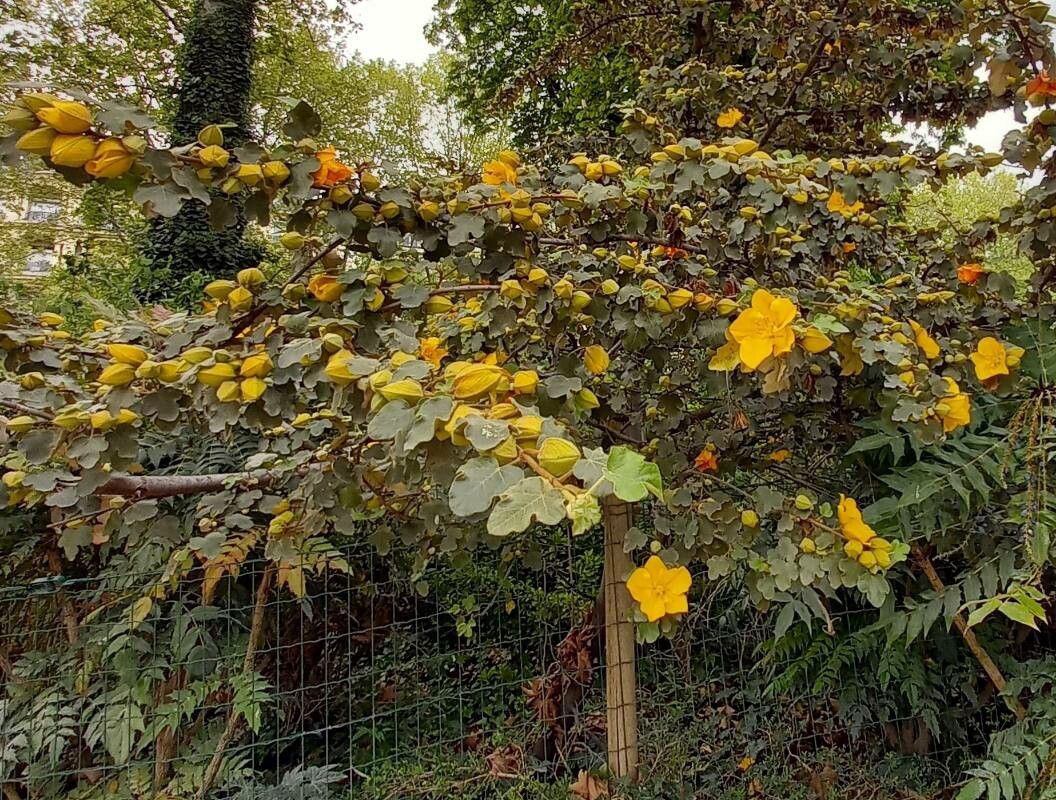
Taming the California Glory: Your Guide to Propagating Fremontodendron californicum
The Fremontodendron californicum, more affectionately known as the California flannelbush or California glory, is a sight to behold. This California native boasts vibrant yellow-gold flowers reminiscent of oversized buttercups, adding a splash of sunshine to any landscape. If you’re lucky enough to live in a suitable climate and want to multiply your floral bounty, propagating your own flannelbush is a rewarding endeavor.
While growing this beauty from seed is possible, it can be a bit challenging for beginners. So, let’s explore the world of Fremontodendron californicum propagation, focusing on the most reliable methods:
1. Semi-Hardwood Cuttings: A Summertime Affair
As summer transitions into early fall, your flannelbush will have developed semi-hardwood stems, perfect for propagation. Here’s how:
- Timing is Key: Aim for late summer or early fall when the plant is actively growing but the heat has subsided.
- Gather Your Tools: You’ll need sharp pruning shears, a rooting hormone containing indole-3-butyric acid (IBA), a well-draining potting mix, and small pots.
- Take the Cutting: Select a healthy stem that’s about 4-6 inches long and has some woody growth at the base. Make a clean cut just below a leaf node.
- Prepare the Cutting: Remove the leaves from the lower two-thirds of the cutting, leaving a few at the top. Dip the cut end in rooting hormone.
- Potting Time: Plant the cutting in the prepared pot, burying the hormone-dipped portion. Water gently and place it in a bright location out of direct sunlight.
- Patience is a Virtue: Keep the soil consistently moist but not waterlogged. Rooting can take several weeks. You’ll know it’s successful when you see new growth.
2. Layering: Letting Nature Lend a Hand
Layering is another effective way to propagate your flannelbush, albeit a slower method.
- Choose a Branch: Select a flexible, low-growing branch in spring when new growth emerges.
- Prepare the Branch: Gently wound the underside of the branch by scraping off a small section of bark, exposing the cambium layer.
- Bury and Secure: Bend the wounded section down towards the soil and bury it a few inches deep. Use a landscape pin or rock to keep it in place.
- Patience, Again: Keep the soil consistently moist. It can take a year or more for the branch to develop roots. Once it does, you can sever it from the parent plant.
Essential Tips for Success:
- Well-Draining Soil is Crucial: Fremontodendron californicum is susceptible to root rot, so using a well-draining potting mix or amending your soil is vital.
- Location, Location, Location: This sun-loving plant thrives in full sun to partial shade.
- Water Wisely: While young plants need regular watering, be careful not to overwater. Allow the soil to dry out slightly between waterings.
- Fertilize Sparingly: Fremontodendron californicum is adapted to nutrient-poor soils. Fertilize sparingly with a low-nitrogen fertilizer during the growing season.
Propagating your own California glory might require some patience, but the reward of seeing these vibrant blossoms flourish is well worth the effort. By following these tips and embracing the journey, you’ll soon have more of these stunning plants to brighten your garden.