
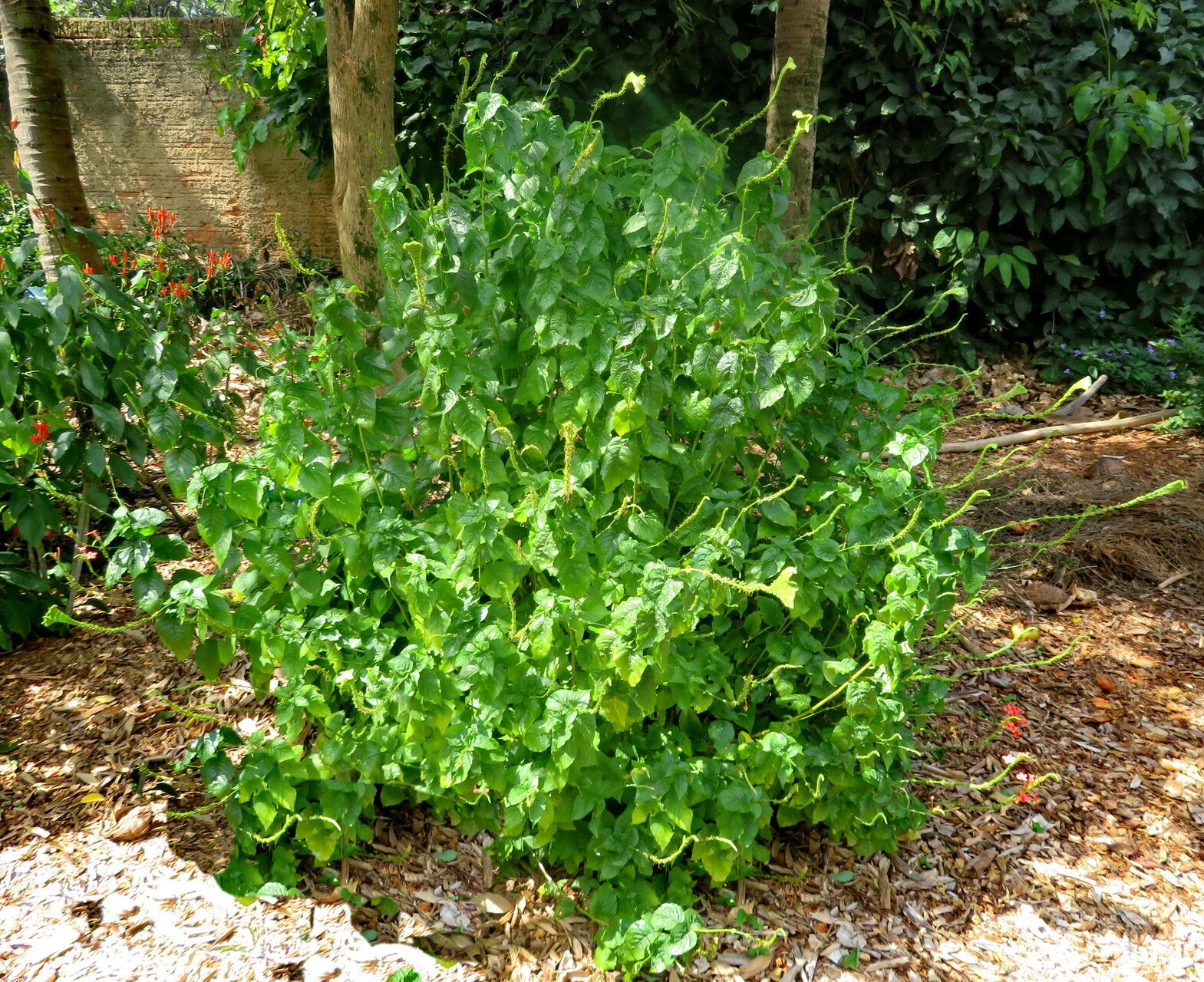
Propagating Justicia brasiliana: Brazilian Plume Thistle
Introduction:
Justicia brasiliana, commonly known as Brazilian plume thistle, is a striking tropical plant prized for its vibrant, plume-like inflorescences. These flowers, ranging from white to purple, depending on the cultivar, add a touch of exotic beauty to gardens and containers. Its relatively low maintenance needs combined with its attractive foliage and showy blooms contribute to its popularity among home gardeners. However, propagation can present some challenges, requiring a nuanced understanding of the plant’s preferences. This article explores various methods of propagation, weighing their effectiveness and outlining the necessary techniques.
Seed Germination:
Currently, there are no known reliable methods for seed germination propagation of Justicia brasiliana. While the plant does produce seeds, their viability is reportedly low, and successful germination rates are extremely rare under typical horticultural settings. Further research into specific seed treatment protocols might be needed to unlock this propagation method.
Cuttings:
This is the most commonly used and successful method for propagating Justicia brasiliana.
Challenges: While relatively straightforward, successful rooting can depend on several factors including the timing, the type of cutting, and environmental conditions. Using overly mature or woody stems can significantly reduce success rates.
Practical Tips:
- Timing: Take semi-hardwood cuttings in spring or early summer. Choose healthy stems with several nodes.
- Technique: Cuttings should be 4-6 inches long, with the bottom cut made just below a node. Remove lower leaves to prevent rot. Dip the cut end in rooting hormone for enhanced success.
- Planting: Insert cuttings into a well-draining propagation mix (e.g., perlite and peat moss) keeping them moist but not waterlogged. A humidity dome or propagator significantly increases success rates.
- Environment: Place cuttings in a warm, bright location out of direct sunlight. Maintaining consistent moisture and humidity levels is key.
Rewards: Cuttings provide a relatively quick and reliable method to obtain genetically identical plants to the mother plant. This guarantees the replication of desirable traits.
Division:
Division is another feasible method, particularly for established plants.
Challenges: Care must be taken not to damage the roots during the division process. Smaller divisions may take longer to establish themselves.
Practical Tips:
- Timing: The best time to divide Justicia brasiliana is during spring or early summer when the plant is actively growing.
- Technique: Carefully dig up the plant and gently separate it into several smaller sections, ensuring each section has a healthy root system and sufficient stems.
- Planting: Plant the divisions immediately into well-prepared soil with adequate drainage. Water thoroughly to help them establish.
Rewards: Division allows for the easy increase in the number of plants, especially useful for gardeners with mature plants already in their garden.
Tissue Culture:
While possible, tissue culture propagation of Justicia brasiliana requires specialized equipment, knowledge, and a sterile environment.
Challenges: This is a complex and expensive method requiring significant technical expertise, and it is unlikely to be practical for home gardeners. Establishment of sterile protocols may also present complications.
Practical Tips: This method is not recommended for amateur propagators.
Rewards: Tissue culture offers the potential for large-scale propagation and the elimination of diseases.
Conclusion:
Propagating Justicia brasiliana presents distinct challenges depending on the chosen method. Seed propagation is currently unreliable, while cuttings offer the most accessible and reliable pathway to success. Division is a suitable option for established plants. Tissue culture, while technically feasible, is beyond the scope of most home gardeners. The rewards of successfully cultivating this beautiful plant, however, are immense. Overcoming the challenges involved fosters a deep sense of satisfaction and reinforces the connection between gardener and plant. The vibrant plumes of Justicia brasiliana richly reward the patience and care invested in their propagation, making the effort well worthwhile for any aspiring propagator. Remember patience and attention to detail are key to your success with this beautiful plant.