
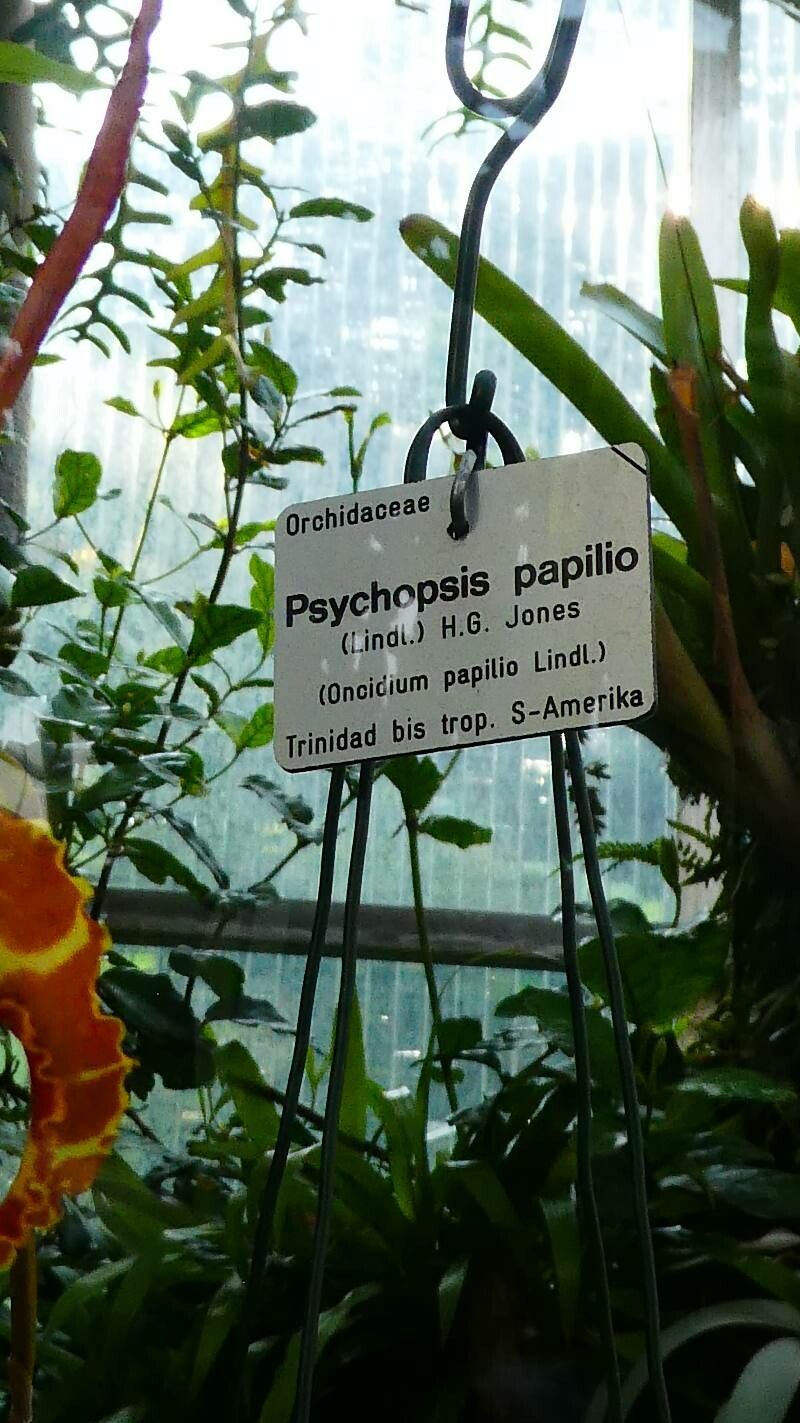
Propagating the Butterfly Orchid: A Guide to Cultivating Psychopsis papilio
Introduction:
Psychopsis papilio, commonly known as the Butterfly Orchid, captivates orchid enthusiasts with its uniquely patterned, butterfly-like blooms. Its striking, almost iridescent flowers in shades of brown, yellow, and cream, coupled with its relatively easy cultivation (compared to some other orchid species), contribute to its increasing popularity. However, propagating this beauty presents unique challenges, making successful propagation a rewarding achievement. Its unusual growth habit and the specific conditions required for successful reproduction mean that not all propagation methods are equally effective.
Seed Germination:
Currently, there are no known reliable methods for seed germination propagation of Psychopsis papilio. Orchid seeds are notoriously tiny and lack endosperm, the food source for germination in many plants. They require a symbiotic relationship with specific mycorrhizal fungi to germinate successfully. Establishing this relationship in a controlled environment is exceptionally difficult, making seed germination an impractical method for most home or even commercial growers.
Cuttings:
Propagating Psychopsis papilio from cuttings is generally not successful. Unlike some other epiphytes, Psychopsis papilio does not readily produce adventitious roots from stem cuttings. Attempts to root stem sections usually end in rot due to the high susceptibility to fungal and bacterial infections.
Division:
Division is the most reliable and commonly used method for propagating Psychopsis papilio. This involves carefully separating the plant into multiple divisions, each containing several healthy pseudobulbs and roots.
- Challenges: The main challenge lies in ensuring each division has a sufficient root system and enough pseudobulbs to support its growth. Damaging the roots during separation can lead to failure. Overly small divisions might struggle to establish themselves.
- Practical Tips: The best time for division is during active growth, often after flowering. Use a sharp, sterile knife or pruning shears to avoid damaging the rhizome. Treat cuts with a fungicide to prevent rot. Pot each division in a well-draining medium, ensuring good air circulation.
- Rewards: Division offers a relatively straightforward method for increasing the number of plants. It preserves the parent plant’s genetic characteristics, ensuring that offspring are nearly identical to the parent plant.
Tissue Culture:
Tissue culture is a viable, though specialized, method for propagating Psychopsis papilio. This laboratory technique involves growing plantlets from small pieces of plant tissue in a sterile, nutrient-rich medium.
- Challenges: This method requires specialized equipment, a sterile environment, and expertise in plant tissue culture techniques. It is expensive and not feasible for most home growers. Contamination is a significant risk, and even minor mistakes can lead to the loss of entire cultures.
- Practical Tips: Successful tissue culture needs strict adherence to sterile protocols. The choice of media and growth hormones is critical for optimal results.
- Rewards: Tissue culture allows for mass propagation, creating many cloned plants, essential for commercial production or conservation efforts. It also provides an opportunity for disease elimination and the creation of virus-free plants.
Conclusion:
Propagating Psychopsis papilio presents distinct challenges across all methods. While seed germination is currently impractical, and cuttings are unsuccessful, division offers a reasonable approach for home growers. Tissue culture provides a potential for large-scale production but requires specialized expertise and resources. The rewards, however, are undeniable. The unique beauty of the Butterfly Orchid and the sense of accomplishment in successfully propagating it far outweigh the difficulties. For home growers, mastering the art of division, with patience and attention to detail, will lead to rewarding success in expanding your collection of this stunning orchid. Remember to prioritize hygiene and proper aftercare to maximize your chances of success. The journey, despite the challenges, is truly worthwhile.