
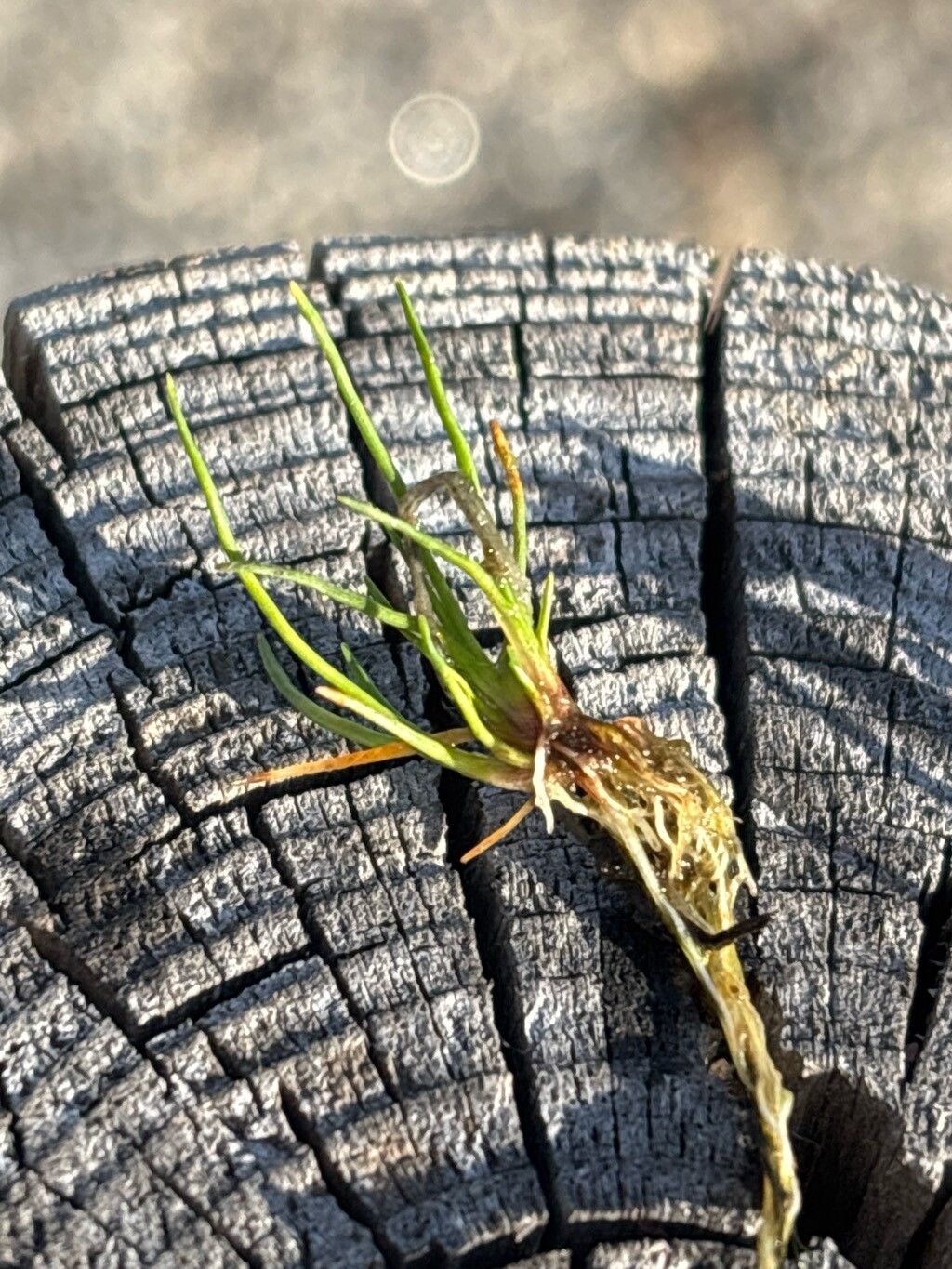
Propagating Juncus bulbosus: A Guide to Cultivating Bulbous Rush
Introduction:
Juncus bulbosus, commonly known as bulbous rush, is a charming, low-growing perennial sedge prized for its delicate, grass-like foliage and adaptability to varied conditions. Its ability to thrive in damp soils makes it a popular choice for water gardens, bog gardens, and even as a groundcover in consistently moist areas. While relatively easy to maintain once established, propagating Juncus bulbosus presents some unique challenges. Its popularity among gardeners, however, drives the search for effective propagation techniques.
Seed Germination:
Currently, there are no known reliable methods for seed germination propagation of Juncus bulbosus. While the plant does produce seed, germination rates are extremely low, and the process remains largely unpredictable. Further research into specific germination requirements is needed to determine if this method is viable.
Cuttings:
Cuttings present a more reliable method than seed germination for propagating Juncus bulbosus. However, success hinges on technique and timing.
Challenges: The success rate of cuttings depends on the timing (ideally, during the active growing season), the use of sharp, clean tools to prevent rot, and the maintenance of consistently moist but not waterlogged conditions. Rooting can be slow.
Practical Tips: Take stem cuttings approximately 4-6 inches long, removing lower leaves to prevent rot. Dip the cut ends in rooting hormone for enhanced success. Plant the cuttings in a moist, well-draining mix, such as a peat-based propagation mix, and maintain high humidity using a propagator or plastic covering. Regularly mist the cuttings to prevent desiccation.
Rewards: Cuttings offer a relatively straightforward method of producing genetically identical offspring, ensuring that desirable traits are maintained. It’s also a quicker method than division.
Division:
Division is considered the most reliable and widely used method for propagating Juncus bulbosus.
Challenges: Division requires established, healthy plants with sufficient root mass. Incorrectly dividing the plant can damage the root system, leading to poor establishment or plant loss. The best time for division is in spring or early autumn.
Practical Tips: Carefully dig up the mature plant, gently separating the clumps into smaller divisions, ensuring each division contains healthy roots and several shoots. Replant the divisions immediately in appropriately moist soil, maintaining adequate spacing to allow for growth. Avoid damaging the fine roots during the process.
Rewards: Division offers a high success rate and allows for quick multiplication of existing plants. It is relatively simple once the plant is established.
Tissue Culture:
While tissue culture is a potentially viable method for mass propagation of Juncus bulbosus, it requires specialized equipment, a sterile environment, and expertise.
Challenges: Establishing sterile cultures, selecting appropriate growth media, and optimizing growth conditions are complex procedures requiring considerable horticultural knowledge and specialized equipment.
Practical Tips: This method is best left to professional plant nurseries or laboratories specializing in tissue culture propagation.
Rewards: Tissue culture allows for mass production of genetically uniform plants, which are valuable for research, commercial propagation, and conservation efforts. Moreover it can be used to rescue or multiply plants from small samples.
Conclusion:
Propagating Juncus bulbosus presents a spectrum of challenges depending on the chosen method. While seed germination proves unreliable currently, cuttings offer a moderate success rate with appropriate techniques. Division remains the most straightforward and effective method for the home gardener. Tissue culture, though offering a high propagation potential, is a more complex process best suited to professional plant propagators.
Despite the occasional setbacks, cultivating Juncus bulbosus from propagules brings a unique satisfaction. The journey from a small cutting or division to a thriving, lush clump is deeply rewarding, testament to patience and horticultural skill. For aspiring propagators, starting with division is highly recommended. With careful attention to detail, even beginners can achieve success and enjoy the beauty of this adaptable and charming plant.