
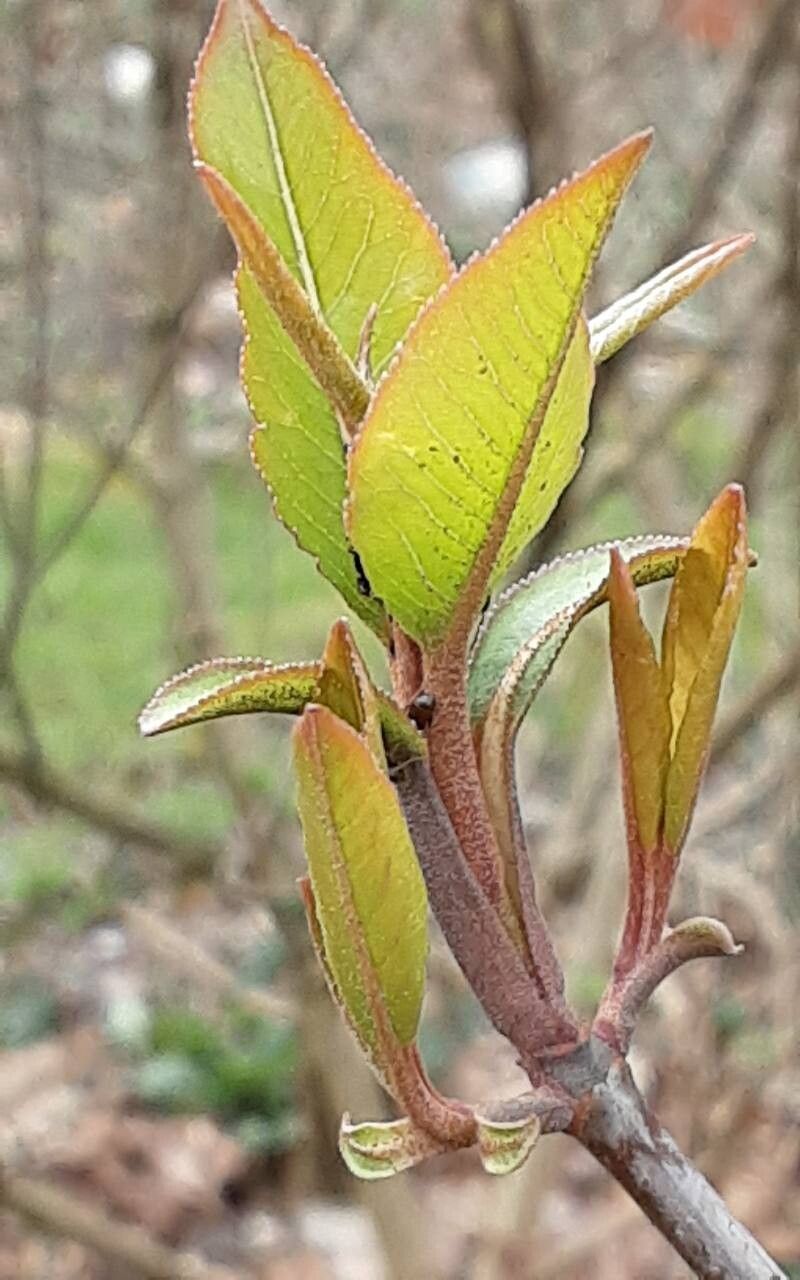
Propagating Blackhaw Viburnum (Viburnum prunifolium): A Gardener’s Guide
Introduction:
Viburnum prunifolium, commonly known as Blackhaw Viburnum, is a North American native shrub prized for its attractive clusters of white flowers in spring, followed by edible, dark bluish-black drupes in autumn. Its striking fall foliage, ranging from reddish-purple to scarlet, adds further horticultural appeal. Blackhaw Viburnum’s tolerance to a range of soil conditions and its adaptability to various climates have contributed to its popularity amongst gardeners. However, propagation isn’t always straightforward, presenting unique challenges and rewards depending on the chosen method.
Seed Germination:
Seed germination for Viburnum prunifolium is possible, but presents significant challenges. The seeds possess a hard seed coat and exhibit dormancy, requiring stratification to break this dormancy.
Challenges: Low germination rates are common, even with stratification. The process is time-consuming, requiring patience and careful attention to detail. Seeds may take several months or even a year to germinate.
Practical Tips: Collect ripe fruits in autumn, remove the pulp, and clean the seeds thoroughly. Stratify the seeds by mixing them with moist peat moss or vermiculite in a sealed container and refrigerating them for 60-90 days at temperatures near 4°C (39°F). After stratification, sow the seeds in a well-draining seed starting mix, keeping the soil consistently moist but not waterlogged. Maintain a temperature between 15-20°C (59-68°F).
Rewards: Successfully germinated seedlings offer the benefit of genetic diversity, creating a wider range of potential plant characteristics. This method also allows for large-scale propagation, given that sufficient seeds are obtained and germination rates are suitably high. Although challenging, it is ultimately the most economical method over the long term.
Cuttings:
Cuttings offer a more reliable method of propagation for Blackhaw Viburnum compared to seed germination. However, success depends on proper technique and timing.
Challenges: Rooting can be slow and inconsistent, requiring meticulous care to prevent fungal infections and ensure sufficient moisture. Hardwood cuttings taken in late winter or early spring are generally preferred. The success rate is highly dependent on optimal conditions.
Practical Tips: Take 6-8 inch long cuttings from mature, non-flowering stems with a sharp, clean cut. Remove the lower leaves and treat the base with rooting hormone. Plant the cuttings in a well-draining medium like a perlite and peat moss mix, ensuring adequate moisture and humidity (a humidity dome is beneficial). Maintain a suitable temperature for root development.
Rewards: Cuttings preserve the characteristics of the parent plant, resulting in true-to-type clones. This is a faster method than seed propagation, generating plants which can flower within a few years.
Division:
Division is only feasible for established, mature Blackhaw Viburnum plants. It is not a widely used method of propagation with this species due to the natural morphology of the plant. However, if suckers can be observed, it may be considered.
Challenges: Division may stress the parent plant and requires care to ensure successful establishment of each division. There are generally not enough offshoots present for this to be a broadly useful method.
Practical Tips: If applicable, lift the entire plant and carefully separate the root ball into sections, ensuring that each division has a substantial root system and ample stems. Replant each division in well-prepared soil.
Rewards: Division offers a quick and relatively easy way to increase the number of plants, provided suitable suckers are present.
Tissue Culture:
Tissue culture offers a highly precise and efficient method for mass propagation of Viburnum prunifolium, but it requires specialized equipment and expertise.
Challenges: This method necessitates a controlled sterile environment, as well as knowledge of tissue culture techniques, media preparation, and sterilization procedures. Set-up costs are significantly higher, with skilled personnel required.
Practical Tips: This method is best performed in a professional laboratory environment due to its technical complexity.
Rewards: Large numbers of genetically identical plants can be produced quickly and efficiently. It is ideally suited to large-scale commercial production.
Conclusion:
Propagating Blackhaw Viburnum presents several challenges but also significant rewards for the persistent gardener. While seed germination offers genetic diversity but low success rates, cuttings and potentially division provide a more reliable albeit possibly slower path to establishing more shrubs. Tissue culture is powerful but impractical for most home gardeners. The specific method chosen should depend on the skills, resources, and goals of the propagator. The satisfaction of successfully cultivating this beautiful native shrub, after overcoming the hurdles, is immeasurable. Remember to exercise patience, meticulous care, and attention to detail—the rewards of having successfully propagated a Blackhaw Viburnum are well worth the effort.