
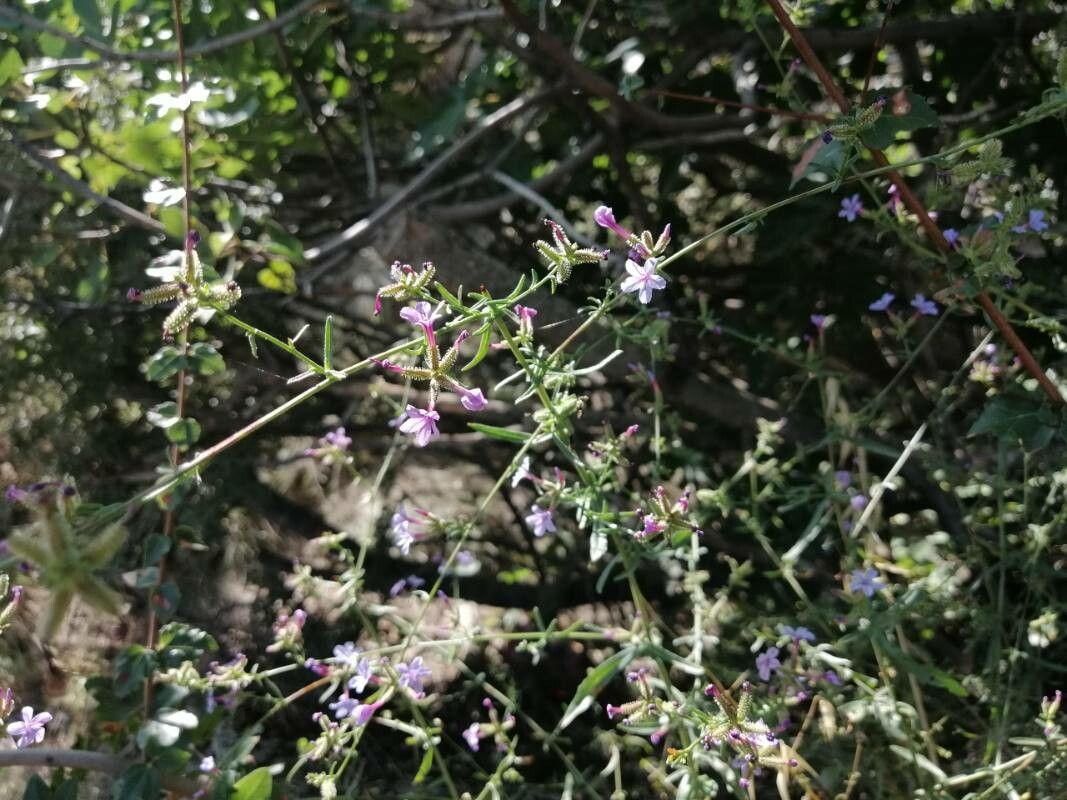
Propagating Plumbago europaea: A Gardener’s Guide to the Leadwort
Plumbago europaea, commonly known as the European leadwort, is a charming, sprawling shrub prized for its delicate, sky-blue flowers that bloom prolifically throughout the summer. Its graceful habit and relatively low maintenance requirements make it a popular choice amongst gardeners, particularly for rockeries, borders, and hanging baskets. However, successfully propagating this plant can present some unique challenges. This article explores various propagation methods, highlighting their viability and offering practical advice for both novice and experienced propagators.
Seed Germination:
Currently, there are no known reliable methods for seed germination propagation of Plumbago europaea. While the plant does produce seeds, germination rates are extremely low and inconsistent, making this method impractical for most gardeners.
Cuttings:
Viability: This is by far the most common and successful method for propagating Plumbago europaea.
Challenges: While relatively straightforward, success depends on proper timing and technique. Using semi-hardwood cuttings taken during late summer or early autumn generally yields the best results. Older, woody stems are less likely to root.
Practical Tips: Take 4-6 inch cuttings, removing lower leaves to prevent rot. Dip the cut ends in rooting hormone powder to encourage root development. Plant cuttings in a well-draining propagation mix (e.g., a mixture of perlite and peat moss) and maintain consistently moist (but not waterlogged) conditions. A humidity dome or propagator can significantly improve success rates. Place the cuttings in bright, indirect light to prevent scorching. Rooting typically takes several weeks.
Rewards: Cuttings produce genetically identical plants to the parent, ensuring that desirable traits are preserved. This method is relatively easy to scale up for producing multiple plants.
Division:
Viability: Plumbago europaea can be propagated by division, particularly if the plant is already established and quite large.
Challenges: Dividing the root ball carefully to avoid damaging the sensitive roots is crucial for the survival of both parent and offspring plants. This method is generally best suited for spring or early autumn.
Practical Tips: Carefully dig up the entire plant, gently loosen the root ball, and separate it into smaller sections, each with its own established root system and several stems. Replant the divisions immediately in well-prepared soil, ensuring each division has adequate space to grow. Water thoroughly after planting.
Rewards: Division offers a relatively quick way to increase the number of plants, preserving the characteristics of the parent plant.
Tissue Culture:
Viability: While theoretically possible, tissue culture propagation of Plumbago europaea is not commonly practiced by home gardeners. This method requires specialized equipment, sterile conditions, and expertise in plant tissue culture techniques.
Challenges: Establishing a sterile environment, selecting appropriate culture media, and maintaining aseptic conditions are major challenges. This method is expensive and requires specialized knowledge.
Practical Tips: This method is best left to research institutions or commercial nurseries with the necessary infrastructure and expertise.
Rewards: Tissue culture allows for large-scale propagation of disease-free plants and offers the potential to rapidly multiply rare or valuable cultivars.
Conclusion:
Propagating Plumbago europaea presents varying levels of challenge depending on the chosen method. While seed germination is unreliable, cuttings offer a highly effective and accessible route to successful propagation for the average gardener. Division provides another viable option for established plants. Tissue culture, though viable, remains a specialized method. The unique satisfaction of successfully propagating this beautiful plant, whether through the relatively simple method of cuttings or the more challenging approach of division, stems from the dedication and patience required. The rewards – a flourishing collection of these charming blue flowers – are well worth the effort for any enthusiastic gardener. Don’t be discouraged by setbacks; experiment, learn from your mistakes, and enjoy the journey of nurturing life from a small cutting or division into a vibrant, flowering plant.