
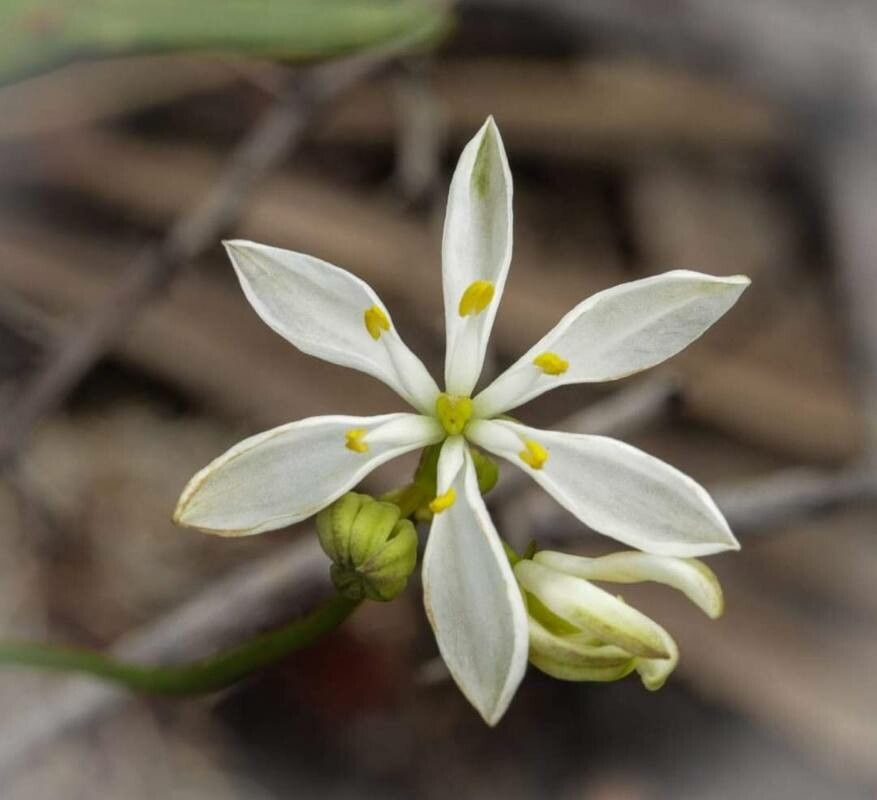
Propagating Chlorophytum zavattarii: A Gardener’s Guide
Introduction:
Chlorophytum zavattarii, also known as the Green Orange Spider Plant or simply the Orange Spider Plant, is a captivating member of the Asparagaceae family. Unlike its more common cousin, Chlorophytum comosum, C. zavattarii boasts striking, vividly green foliage with orange-tinged petioles (leaf stalks). This vibrant coloration, combined with its relatively compact growth habit, has made it increasingly popular among plant enthusiasts. Its propagation, however, presents unique challenges and rewards, a testament to its somewhat less readily available status compared to other Chlorophytum species.
Seed Germination:
Currently, there are no known reliable methods for seed germination propagation of Chlorophytum zavattarii. While the plant does produce seeds, their viability and germination rate are exceptionally low, rendering this method impractical for most home growers. Further research into specific germination requirements might be needed to unlock this propagation pathway.
Cuttings:
Challenges: Leaf cuttings of C. zavattarii have been reported to be unsuccessful. Similarly, stem cuttings are unlikely to produce roots successfully.
Tips: Though not a recommended method, some growers report minimal to no success with stem cuttings. If attempting, use fresh, healthy stems, dipped in rooting hormone, and plant in a well-draining, moist propagation medium. High humidity is crucial during this time.
Rewards: Successful propagation from stem cuttings, although currently unlikely based on available evidence, could offer a relatively quick way to multiply a favoured plant.
Note: Leaf cuttings are considered not viable, as the plant doesn’t produce the typical plantlets found in other Chlorophytum species.
Division:
Challenges: Dividing Chlorophytum zavattarii is relatively easy once the plant matures, but it needs to be large enough to allow for careful separation of the root system without damaging the individual sections. The delicate nature of the roots can make this challenging for beginners.
Tips: The best time to divide is during the spring or early summer when the plant is actively growing. Carefully remove the plant from its pot and gently separate the clump into smaller sections, each with its own root system and several leaves. Replant each section in well-draining potting mix. Avoid overwatering initially to minimize root rot.
Rewards: Division is the most reliable and easiest method, offering a quick way to obtain multiple plants efficiently, thereby multiplying your treasured Chlorophytum zavattarii. It also helps rejuvenate older plants.
Tissue Culture:
Challenges: Tissue culture requires specialized equipment, sterile conditions, and a good understanding of plant tissue culture techniques. It is not a beginner-friendly method.
Tips: Aseptic conditions are crucial to prevent contamination. Nutrient media formulated specifically for Chlorophytum or closely related species are necessary. Experiences with this technique are scarce.
Rewards: Tissue culture offers the potential for large-scale propagation and the generation of disease-free plants. It is the only method which allows genetic multiplication of a preferred genotype. However, it is only ideal for those with the resources and expertise. Therefore it is not a common method for home growers.
Conclusion:
Propagating Chlorophytum zavattarii presents unique hurdles. While seed germination is currently unviable and cuttings offer only limited prospects, division provides the most practical and successful method for home cultivation. Tissue culture remains a complex advanced technique. The challenge of propagating this beautiful plant only enhances the sense of accomplishment when success is achieved. The vibrant orange and green hues of a successfully propagated C. zavattarii are a testament to the patience and dedication invested in its cultivation. For most home growers, mastering the art of division is the key to expanding their collection of this stunning plant. Therefore, patience and careful handling during the division process are essential for successful propagation.