
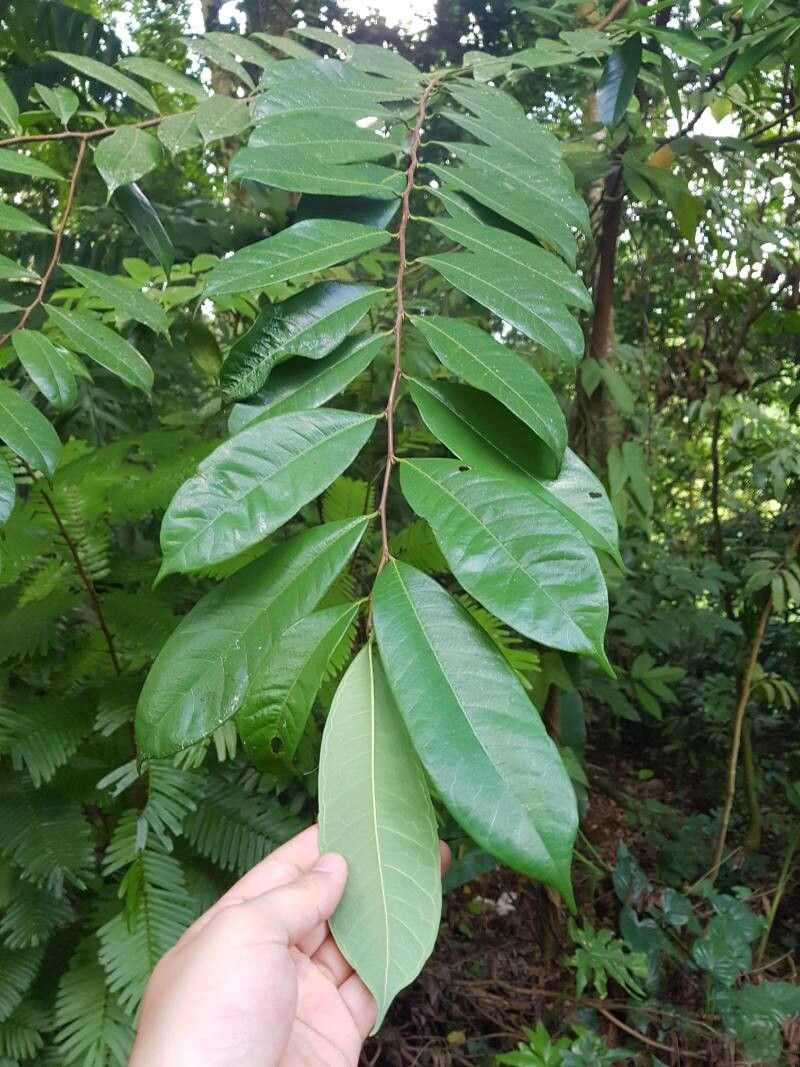
Propagating Brosimum guianense: The Challenges and Rewards of Cultivating the Araça
Brosimum guianense, commonly known as Araça, is a captivating neotropical tree prized for its edible fruits and valuable timber. Its dense, spreading crown and attractive foliage make it a desirable addition to landscapes, though its propagation presents unique challenges. The relatively slow growth and specific environmental needs contribute to its limited availability, fueling interest among gardeners eager to cultivate this fascinating species. This article explores various propagation methods for Brosimum guianense, outlining their viability and inherent complexities.
Seed Germination:
Currently, there are no known reliable methods for seed germination propagation of Brosimum guianense. While seeds are produced, their viability is often low, and germination rates are notoriously unpredictable. This is likely due to a combination of factors, including seed dormancy mechanisms and sensitivity to environmental conditions. Further research into pre-treatment techniques, such as scarification or specific temperature and humidity requirements, is needed to determine the feasibility of seed germination as a consistent propagation method.
Cuttings:
Propagating Araça via cuttings presents a more promising approach than seed germination. However, success relies heavily on specific techniques and environmental conditions.
Challenges: Rooting hormone application is crucial for successful rooting. The type of cutting (hardwood, semi-hardwood, or softwood) may significantly impact success rates. A high humidity environment is essential to prevent desiccation, necessitating the use of a propagation chamber or humidity dome.
Practical Tips: Semi-hardwood cuttings taken in late summer or early autumn generally yield the best results. Dip cuttings in a rooting hormone solution before planting in a well-draining propagation mix. Maintain high humidity (80-90%) and a warm temperature (25-30°C) within a propagation chamber. Mist regularly to prevent desiccation.
Rewards: Cuttings offer a faster propagation method compared to seed propagation, and the resulting plants are genetically identical to the parent plant, preserving desirable traits.
Division:
Division is not a practical method for propagating Brosimum guianense. This tree develops a substantial taproot system making division challenging and often resulting in plant mortality.
Tissue Culture:
Tissue culture offers the potential for large-scale propagation of Brosimum guianense, overcoming the limitations of other methods. However, establishing appropriate protocols for this species requires specialized knowledge and laboratory facilities.
Challenges: Developing a successful tissue culture protocol requires expertise in plant tissue culture techniques, including media formulation, sterilization, and hormone application. Contamination risk is high, and optimization of growth conditions can be time-consuming and demanding.
Practical Tips: Finding a reputable laboratory with experience in propagating neotropical species is key. Working with researchers specializing in tissue culture of Brosimum species is highly recommended.
Rewards: Tissue culture offers the potential for rapid, large-scale propagation, ensuring genetic consistency and minimizing the risk of disease transmission.
Conclusion:
Propagating Brosimum guianense presents significant challenges across all explored methods. While cuttings offer a relatively accessible approach, success is far from guaranteed. Tissue culture holds the greatest promise for large scale propagation but requires specialized equipment and expertise. Seed germination remains largely unviable at present. Despite these difficulties, the unique satisfaction of nurturing an Araça from a cutting or successfully establishing a tissue culture protocol is immense, rewarding the perseverance of dedicated gardeners. For aspiring propagators, patience, meticulous attention to detail, and perhaps collaboration with researchers, are key components to success in cultivating this remarkable species. The journey might be challenging, but the resulting Araça tree will be a testament to your dedication and horticultural skill.