
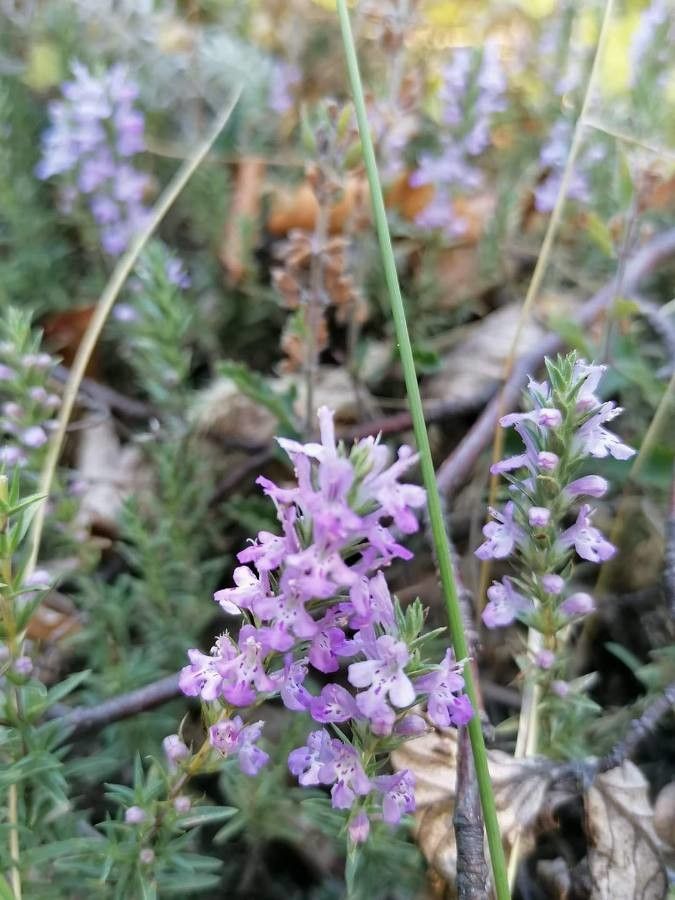
Unleash a Blue Haze: Propagating the Enchanting Blue Savory (Satureja coerulea)
Imagine a cascade of delicate blue blossoms attracting bustling bees to your garden, all while releasing a captivating, spicy fragrance into the air. You’ve just pictured Satureja coerulea, commonly known as Blue Savory, a low-growing, semi-evergreen perennial that captivates both the eyes and the nose. While relatively easy to care for, knowing how to propagate this beauty ensures a continued supply of its charm and culinary uses.
Why Propagate Blue Savory?
Propagating your own plants is a rewarding experience, offering numerous advantages:
- Cost-effective: Multiply your plants for free instead of buying new ones.
- Preserves desirable traits: Ensure your new plants retain the parent plant’s characteristics like flower color and fragrance.
- Connects you with nature: Participating in the plant’s life cycle is deeply satisfying.
Three Ways to Multiply Your Blue Savory:
Blue Savory offers you several avenues for propagation, each with its own level of ease and effectiveness:
1. Seed Sowing: A Beginner’s Delight
Starting Blue Savory from seed is a straightforward process, ideal for beginners:
- Timing: Early spring indoors or directly sow after the last frost.
- Process: Scatter seeds on well-draining soil and lightly press them down. Keep the soil consistently moist but not waterlogged.
- Germination: Expect seedlings to emerge in 10-14 days.
2. Cuttings: Cloning for Accuracy
Taking cuttings is an excellent way to ensure identical copies of your prized plants:
- Timing: Late spring or early summer during active growth.
- Process: Using clean, sharp shears, take 3-4 inch cuttings from healthy stems just below a leaf node. Remove lower leaves and dip the cut end in rooting hormone (optional). Plant the cuttings in a well-draining rooting mix and keep them consistently moist.
- Rooting: Cuttings should root within 4-6 weeks.
3. Division: The Gift that Keeps on Giving
Mature, established plants can be divided, giving you multiple new plants:
- Timing: Spring or early fall.
- Process: Carefully dig up the plant and gently separate the root ball into smaller sections, ensuring each division has sufficient roots and shoots. Replant the divisions immediately.
Tips for Propagation Success:
- Well-draining soil: Blue Savory thrives in well-drained soil and dislikes waterlogged conditions.
- Sunlight: Choose a sunny location for your Blue Savory, providing at least 6 hours of direct sunlight.
- Water wisely: Keep the soil moist but not soggy, allowing it to dry slightly between waterings.
- Patience is key: While seeds germinate relatively quickly, cuttings and divisions might require a bit more time to establish.
Enjoy the Fruits (or Flowers) of Your Labor!
Propagating Blue Savory is a delightful journey that leads to a cascade of blue hues and an exquisite fragrance in your garden. Whether you choose seeds, cuttings, or division, the satisfaction of nurturing new life is truly rewarding. So, unleash your inner gardener and watch your Blue Savory collection flourish!