
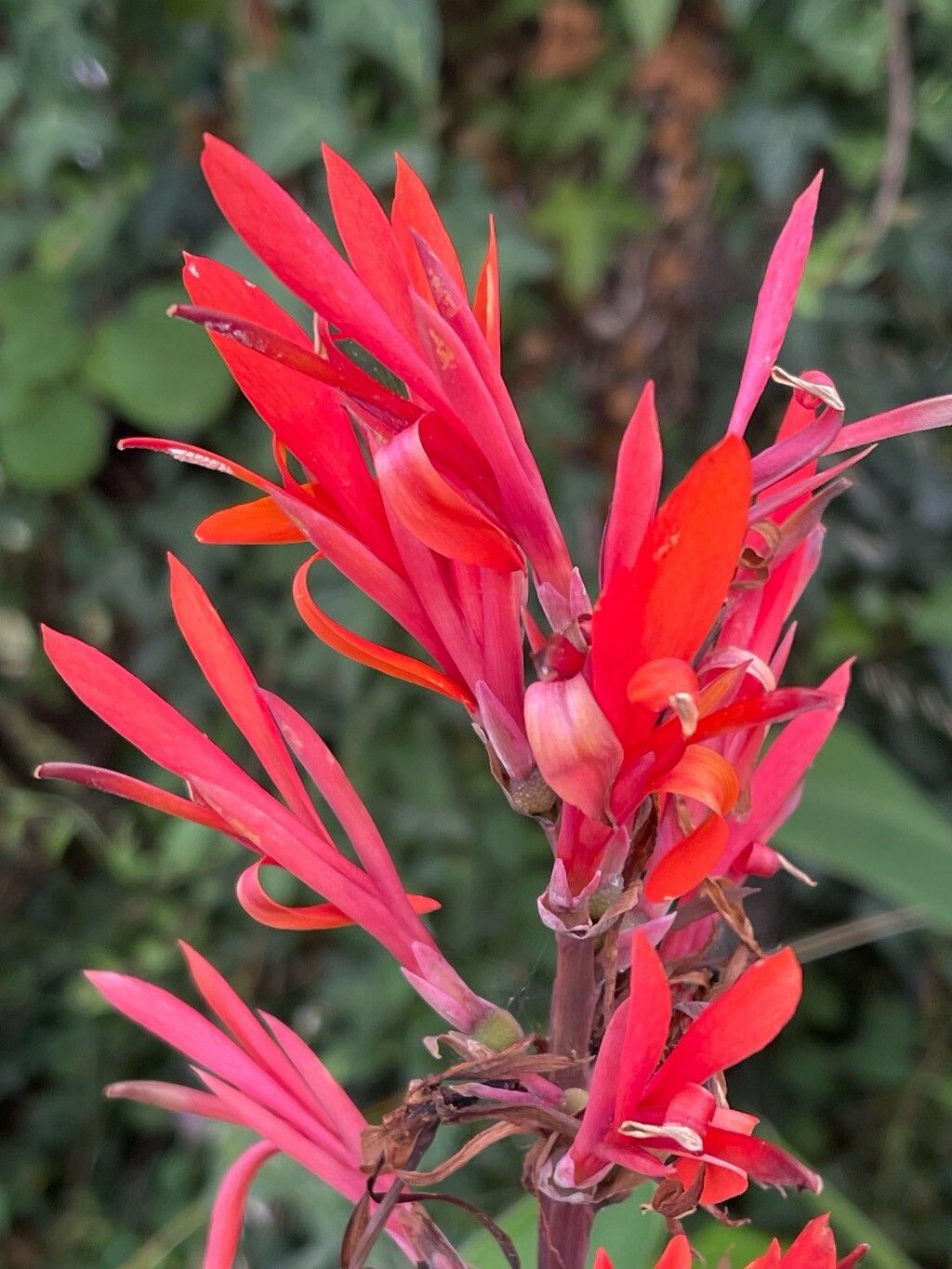
Propagating Canna indica: The Indian Shot’s Many Paths to Growth
Canna indica, commonly known as Indian Shot, is a strikingly beautiful perennial rhizomatous plant prized for its vibrant, flamboyant flowers and large, decorative foliage. Its ease of cultivation and tolerance of a wide range of conditions have made it a popular choice for gardeners worldwide, adorning borders, adding splashes of color to pondsides, and even featuring prominently in container gardens. The plant’s relatively fast growth rate, coupled with its varied flower colors and leaf patterns, makes propagation a particularly rewarding endeavor, though not without its unique challenges.
Seed Germination:
Currently, there are no known reliable methods for seed germination propagation of Canna indica. While seeds can be produced, their germination rate is notoriously low and unpredictable, making this method generally impractical for the home gardener. The long germination period and high likelihood of failure outweigh any potential benefits of genetic diversity.
Cuttings:
Cuttings are a viable, albeit somewhat less reliable, method for propagating Canna indica.
Challenges: Success with stem cuttings relies heavily on maintaining humidity and warmth. Rot is a significant threat if the cuttings aren’t properly prepared and treated. Rooting hormones can significantly improve success rates.
Practical Tips: Take cuttings from healthy, actively growing stems, ideally about 6-8 inches long. Remove lower leaves before planting. Dip the cut ends in rooting hormone and plant them in a well-draining rooting medium, such as a mix of perlite and peat moss, kept consistently moist but not waterlogged. Maintain high humidity using plastic bags or a humidity dome. Place the cuttings in a warm location with indirect sunlight.
Rewards: Successful propagation through cuttings provides a relatively quick method for increasing the number of plants, especially desirable cultivars. It offers an easier and more consistent approach than relying on seed germination.
Division:
Division is the most widely used and reliable method for propagating Canna indica.
Challenges: Overcrowding of rhizomes can lead to smaller blooms and weaker growth. Care must be taken during division to avoid damaging the rhizomes, which can be quite brittle.
Practical Tips: The best time to divide Canna rhizomes is in early spring or late autumn, when the plant is dormant. Divide the rhizome into sections, each containing at least one or two healthy growing points (eyes). Ensure each section has some roots attached. Plant the divisions in well-draining soil, ensuring the growing points are facing upwards.
Rewards: Division is simple, effective, and generally provides a high success rate leading to a rapid increase in the number of healthy plants with consistent characteristics. It’s the preferred method for garden propagation.
Tissue Culture:
Tissue culture is a more sophisticated, laboratory-based method capable of producing a large number of clonal plants rapidly.
Challenges: This method requires specialized equipment, sterile techniques and expertise, making it unsuitable for the average home gardener. It’s costly and time consuming to set up.
Practical Tips: While not feasible for home gardeners, this method is crucial for commercial propagation and the preservation of rare cultivars.
Rewards: Mass propagation of genetically uniform plants with virus-free stock is possible. Crucial for commercial breeders and conservation efforts.
Conclusion:
Propagating Canna indica offers a spectrum of challenges and rewards, ranging from the straightforward division method to the sophisticated (and expensive) tissue culture. While seed germination currently proves unreliable, division provides the most accessible and effective technique for the home gardener. Mastering any of these methods, particularly overcoming the initial hurdles, brings a profound sense of accomplishment. The vibrant blooms and lush foliage of successfully propagated Canna indica serve as a testament to the gardener’s patience, skill, and connection with the natural world. So, embrace the challenge, experiment with the methods described, and enjoy the journey of bringing these beautiful plants to life.