
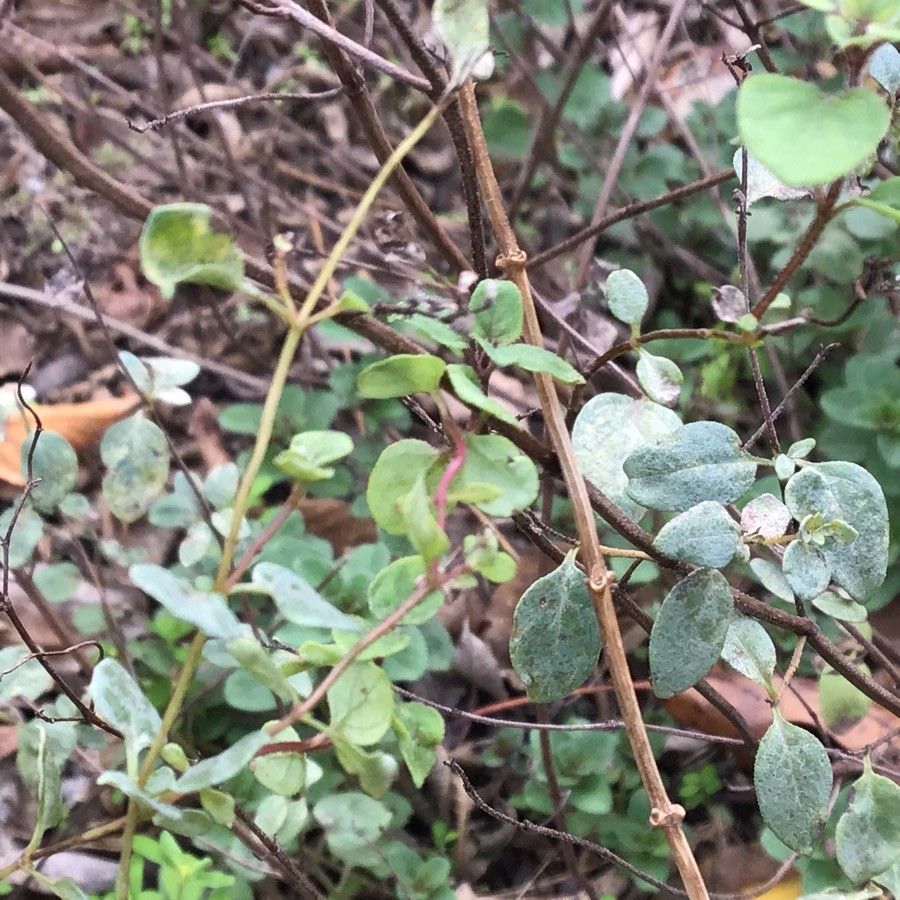
Propagating Thymus loscosii: A Gardener’s Guide to the Spanish Thyme
Introduction:
Thymus loscosii, commonly known as Spanish Thyme, is a low-growing, aromatic herb prized for its small, delicate leaves and intensely fragrant flowers. Native to the Iberian Peninsula, this thyme variety is increasingly popular among gardeners seeking a hardy, drought-tolerant groundcover with culinary and ornamental appeal. Its unique fragrance, often described as lemony and slightly minty, sets it apart from other thyme species. However, propagating Thymus loscosii can present some challenges, making successful cultivation particularly rewarding. This guide explores various propagation methods, weighing their effectiveness and practicality.
Seed Germination:
Currently, there are no known reliable methods for seed germination propagation of Thymus loscosii. While some thyme species readily germinate from seed, Spanish Thyme appears to exhibit low seed viability and germination rates, making this method impractical for most home gardeners.
Cuttings:
This is the most reliable method for propagating Thymus loscosii.
Challenges: Success rates can depend on timing and technique. Using semi-hardwood cuttings taken in late summer or early autumn generally yields better results.
Practical Tips: Take 4-6 inch cuttings from non-flowering stems. Remove lower leaves, dip the cut ends in rooting hormone, and plant in a well-draining propagation mix (e.g., a mix of perlite and peat moss). Maintain high humidity using a cloche or plastic bag, and ensure consistent moisture (but not soggy conditions). Bottom heat can also improve rooting success.
Rewards: Cuttings offer a relatively quick and efficient method of producing genetically identical plants, preserving desirable traits.
Division:
Division is a viable option, particularly for established plants.
Challenges: This method requires a mature plant with well-developed root systems. Care must be taken to avoid damaging the roots during the division process.
Practical Tips: Ideally, divide the plant in spring or early autumn when the plant is actively growing or preparing for dormancy. Gently separate the plant into sections, each with its own root system and several stems. Replant the divisions immediately, ensuring good soil contact. Water thoroughly after planting.
Rewards: Division is a simple and effective way to increase the number of plants, and is less time-consuming than cuttings.
Tissue Culture:
While theoretically possible, tissue culture propagation of Thymus loscosii is not commonly practiced by home gardeners.
Challenges: Tissue culture requires specialized equipment, sterile conditions, and a knowledge of plant tissue culture techniques. It’s a complex and expensive method best suited to commercial nurseries.
Practical Tips: This method is not recommended for the home gardener.
Rewards: Tissue culture allows for mass propagation and disease-free plant production, crucial for commercial purposes.
Conclusion:
Propagating Thymus loscosii presents unique challenges, but the rewards are abundant. While seed propagation is currently unreliable, cuttings and division provide accessible pathways to successful cultivation. Cuttings offer a predictable outcome preserving the parent plant’s desirable characteristics, while division offers a straightforward approach for established plants. The complexity of tissue culture makes it unsuitable for most home gardeners. The difficulties inherent in propagating Spanish Thyme only intensify the sense of accomplishment when a tiny cutting transforms into a thriving, fragrant plant. For aspiring propagators, patience, attention to detail, and selecting the appropriate propagation method are key to success. Don’t be discouraged by initial setbacks – the delightful aroma of your successfully propagated Thymus loscosii will be a more than sufficient reward.