
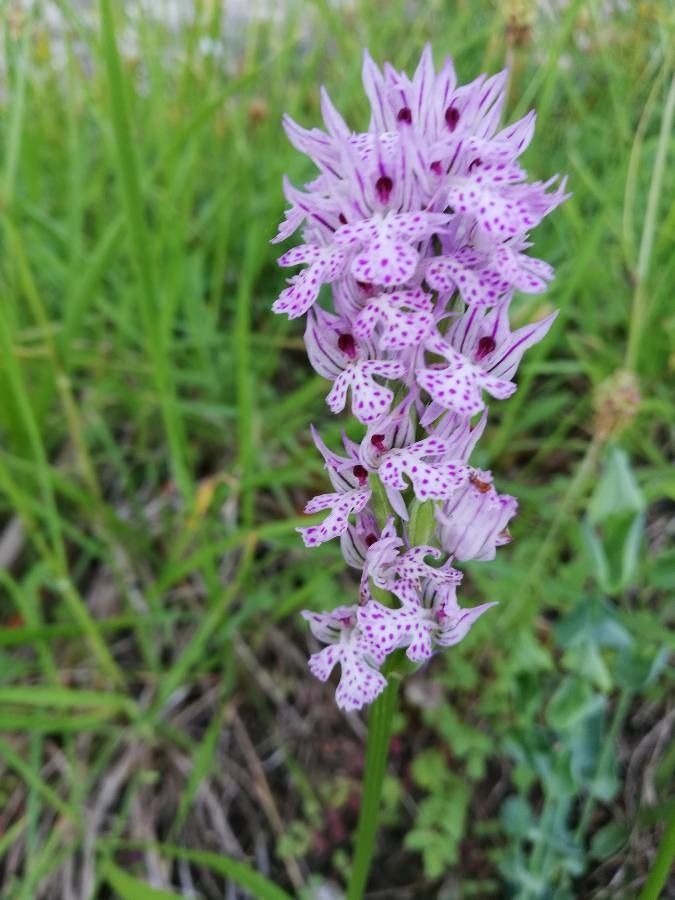
Unlocking the Secrets: Propagating the Elusive Neotinea tridentata
The Neotinea tridentata, also known as the Three-Toothed Orchid, is a captivating sight with its cluster of delicate, pink-to-purple blooms. This terrestrial orchid, native to grasslands and open woodlands across Europe, is sadly becoming an increasingly rare sight in the wild.
While admiring its beauty in its natural habitat is a privilege, some passionate plant enthusiasts might dream of cultivating this captivating orchid. However, propagating Neotinea tridentata is not for the faint of heart. It presents unique challenges, demanding patience, specialized knowledge, and a deep respect for the orchid’s complex lifecycle.
Understanding the Challenges:
Unlike many garden-variety plants you can easily propagate from cuttings or seeds, Neotinea tridentata relies on a symbiotic relationship with specific mycorrhizal fungi present in the soil for its survival, particularly during germination. This intricate relationship means conventional propagation techniques often prove ineffective.
- Seed Germination with Symbiotic Fungi:
This method, although complex, offers the most rewarding experience for true orchid enthusiasts. It involves:
- Obtaining Seeds: Seeds can be sourced from reputable suppliers specializing in orchids.
- Preparing the Medium: A specialized germination medium, mimicking the orchid’s natural environment, is crucial. This typically involves a mix of sphagnum moss, perlite, and specific nutrients.
- Inoculating with Mycorrhizal Fungi: The key lies in introducing the appropriate mycorrhizal fungi to the germination medium. This can be achieved using specialized inoculants available commercially or by sourcing soil from the base of established Neotinea tridentata plants in the wild (while respecting their natural habitat).
- Patience is Key: Germination can take months, even years. Maintaining sterile conditions, appropriate humidity, and temperature are crucial throughout this process.
- Division of Tubers:
Mature Neotinea tridentata plants develop clumps of tubers. Under ideal conditions and with extreme care, division of these tubers offers a propagation possibility. However, this method carries a risk of disturbing the delicate fungal network, potentially jeopardizing both the parent plant and the divided sections.
Essential Considerations:
- Legality: Before collecting any plant material from the wild, check your local regulations. Many wild orchid species, including the Neotinea tridentata, are protected.
- Ethical Considerations: Propagating wild orchids can impact their populations if not done responsibly. Opting for seeds or plants sourced from reputable suppliers helps ensure ethical practices.
- Long-Term Commitment: Be prepared for a long-term commitment. Cultivating Neotinea tridentata successfully requires ongoing attention to its specific needs, including providing a suitable environment, monitoring for pests and diseases, and potentially replicating dormancy periods.
The Rewards:
Despite the complexities, successfully propagating Neotinea tridentata brings immense satisfaction. It allows you to play a role in conserving a beautiful, endangered species and provides the unmatched joy of witnessing the growth cycle of this botanical wonder firsthand.
Remember, patience, respect for the plant’s needs, and a dash of dedication are the essential ingredients to unlock the secrets of propagating the captivating Neotinea tridentata.