
Propagating the Spiral-flowered Gethyllis: A Gardener’s Guide to a Unique Bulb
Introduction:
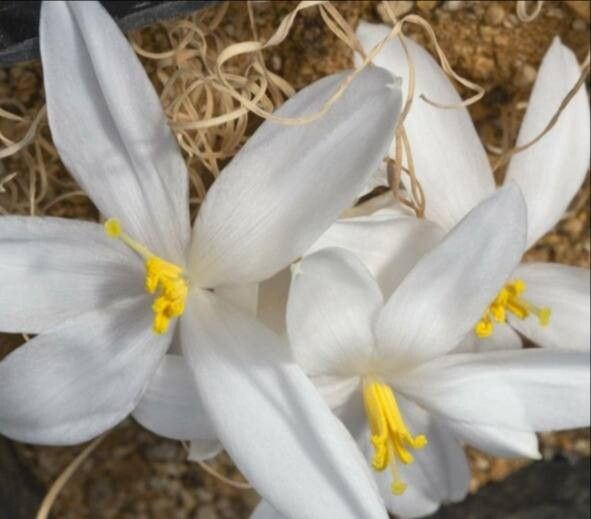
Gethyllis spiralis, also known as the spiral-flowered Gethyllis, is a captivating bulbous plant from the Amaryllidaceae family, native to the arid regions of southern Africa. Its remarkable beauty lies in its spirally arranged, creamy white to pale green flowers that emerge from the ground before the strap-like leaves appear adding a unique and exotic touch to any collection. Its unusual growth habit and striking floral display have made it increasingly popular amongst succulent enthusiasts and gardeners seeking a challenge. However, its propagation presents unique hurdles that add to its allure.
Seed Germination:
Currently, there are no known reliable methods for seed germination propagation of Gethyllis spiralis. While the plant does produce seeds, germination rates are notoriously low, and successful cultivation from seed remains largely undocumented. Further research is needed to identify optimal germination conditions, potentially involving specific temperature and moisture regimes, or perhaps the presence of specific mycorrhizal fungi.
Cuttings:
Propagating Gethyllis spiralis from cuttings is not a viable method. This species, like many geophytes, relies heavily on its underground bulbous structure for survival and regeneration. Attempts to root leaf or stem cuttings are unlikely to succeed.
Division:
Division offers the most reliable method for propagating Gethyllis spiralis. This involves carefully separating the offsets (small bulbs) that naturally develop around the mother bulb during dormancy.
Challenges: Offsets often form slowly, limiting the number of plants produced per division. Damaging the main bulb or the developing offsets during the separation process can lead to plant mortality. Carefully locating the offsets without disturbing the parent bulb or its encompassing fibrous roots is crucial.
Tips: The best time for division is during the plant’s dormancy period, typically in late summer or early autumn, after the leaves have died back. Use a sharp, clean tool to carefully separate the offsets, ensuring each has some roots attached. Plant the divisions in well-draining soil similar to the mother plant’s conditions.
Rewards: Division allows for relatively quick increases in plant numbers, producing genetically identical copies of the mother plant. This is particularly useful for preserving desirable traits or propagating rare cultivars.
Tissue Culture:
Tissue culture presents a potential, albeit advanced and specialized, method for propagating Gethyllis spiralis.
Challenges: Establishing a reliable tissue culture protocol for this species requires significant expertise and laboratory facilities equipped for sterile work. Finding the optimal hormonal balance for shoot proliferation and root development would need extensive experimentation. The cost and technical requirements make this option inaccessible to most amateur gardeners.
Tips: For those with access to the necessary resources and expertise, exploring different media formulations and growth regulators should form the basis of initial experimentation.
Rewards: Tissue culture allows for large-scale propagation, generating a vast number of plants quickly and maintaining genetic uniformity. It also offers a method for potentially rescuing endangered or rare specimens.
Conclusion:
Propagating Gethyllis spiralis presents unique challenges across all common methods. Seed germination is currently unreliable, cuttings are ineffective, and tissue culture requires specialized expertise and facilities. Division, while the most accessible and reliable method, is still limited by the slow production of offsets.
Despite these hurdles, the rewards of successfully growing this distinctive plant are significant. The satisfaction of nurturing a single bulb into a thriving colony or sharing your plants with fellow enthusiasts makes the dedication well worth the effort. The unique challenge of propagating this species only adds to the pleasure of finally witnessing its spiraling blooms unfurling—a testament to your persistence and horticultural skill. For aspiring propagators, patience, careful observation, and a willingness to learn from both successes and failures are essential ingredients for success.