
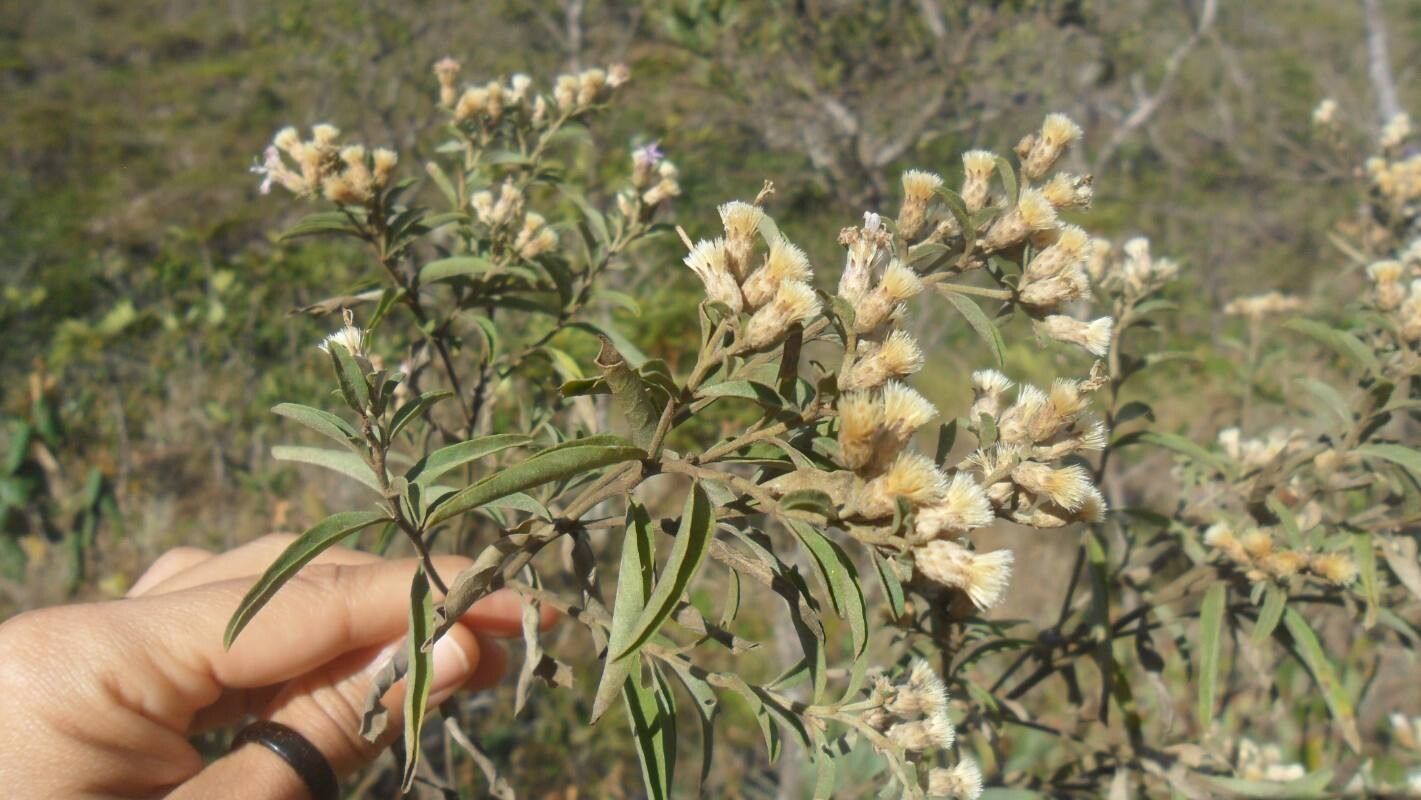
Unveiling the Secrets of Lepidaploa rufogrisea: A Propagation Guide
Lepidaploa rufogrisea, perhaps not a household name yet, but definitely a plant worth knowing! This South American native boasts captivating, feathery blooms that erupt in a firework display of lilac and white. Now, you might be wondering – how do I welcome this beauty into my garden? Let’s unlock the secrets of propagating Lepidaploa rufogrisea and delve into the techniques that will have you growing this stunner in no time.
Two Roads to Success: Seeds and Cuttings
Lepidaploa rufogrisea can be propagated through two primary methods: seeds and cuttings. Each technique has its own merits and considerations:
1. Starting from Seed: A Rewarding Journey
Propagating from seed offers a unique satisfaction – witnessing the entire life cycle of your plant right from the start. Here’s how to embark on this rewarding journey:
- Seed Collection: Patience is key! Allow the flowers to fully mature and form seed heads. Once the heads dry and turn brown, carefully collect them and store them in a cool, dry place until ready to sow.
- Sowing Time: Early spring is the ideal time to sow your Lepidaploa rufogrisea seeds. Choose a well-draining seed starting mix to provide optimal conditions for germination.
- Sowing Depth: Sow the seeds shallowly, pressing them gently onto the surface of the soil. Light is crucial for germination, so avoid burying them too deep.
- Warmth and Moisture: A warm, humid environment is essential for germination. Utilize a propagator or create a humid microclimate by covering the seed tray with a clear plastic dome or wrap.
- Patience, Young Padawan: Germination can take anywhere from a few weeks to a couple of months. Be patient and keep the soil consistently moist but not waterlogged.
2. Cutting to the Chase: Propagation through Cuttings
For a quicker method, cuttings offer a shortcut to establishing new Lepidaploa rufogrisea plants:
- Time it Right: Spring or early summer, when the plant is actively growing, is the best time to take cuttings.
- Choose Wisely: Select healthy, non-flowering stems for your cuttings. Each cutting should be about 4-6 inches long.
- Prepare the Cuttings: Make a clean cut just below a leaf node. Remove the lower leaves to prevent rot and dip the cut end in rooting hormone (optional but recommended).
- Planting Time: Plant the cuttings in a well-draining potting mix, burying a couple of leaf nodes.
- Create a Greenhouse Effect: Cover the pot with a plastic bag or use a propagator to maintain high humidity, which promotes root development.
- Root Development: Within a few weeks, you should start to see new growth, indicating successful rooting.
Caring for Your New Propagations
Once your Lepidaploa rufogrisea plants, whether started from seed or cuttings, have developed a strong root system, gradually acclimate them to outdoor conditions. Choose a sunny to partially shaded location in your garden with well-drained soil. With proper care and attention, you’ll soon be treated to a dazzling display of these unique and rewarding flowers!