
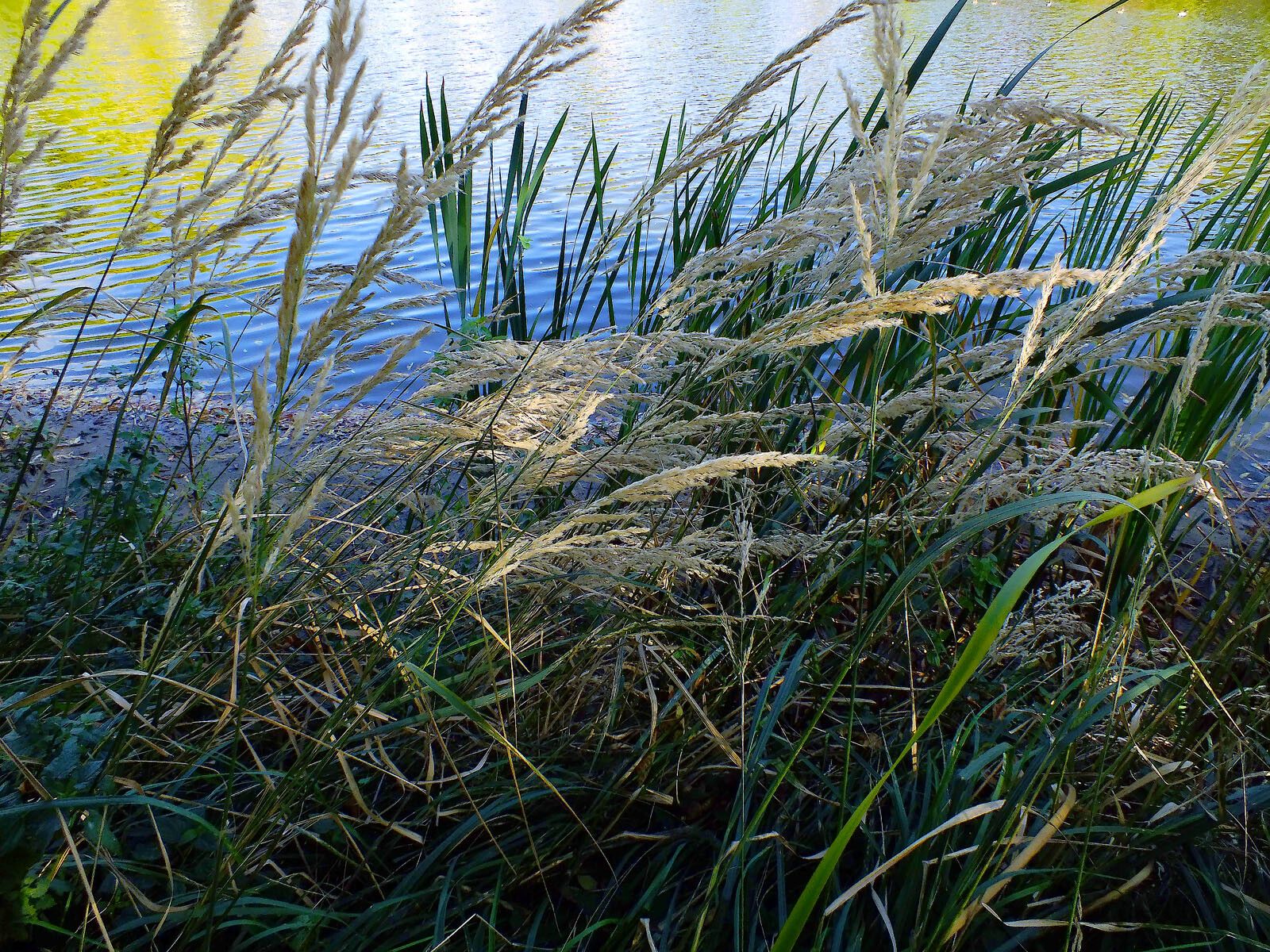
Taming the Purple Needlegrass: A Guide to Propagating Calamagrostis purpurea
Calamagrostis purpurea, better known as purple needlegrass, is a graceful ornamental grass prized for its airy plumes and reddish-purple hues. This hardy species, native to North America, can transform gardens with its natural beauty and movement. Whether you’re a seasoned gardener or just starting out, propagating your own Calamagrostis purpurea is a rewarding experience. Here’s your complete guide:
Understanding the Options: Seeds vs. Division
You can propagate purple needlegrass in two ways:
- Seeds: This method involves starting from scratch, offering the satisfaction of witnessing the entire life cycle of the plant.
- Division: This technique provides faster results and is ideal for expanding existing clumps or rejuvenating older plants.
The Seed Route: A Labor of Love
For those seeking a fulfilling gardening project, starting from seed is the way to go:
- Timing is Everything: The best time to sow Calamagrostis purpurea seeds is in the spring after the last frost has passed.
- Preparing the Seedbed: Choose a well-drained area in your garden that receives ample sunlight. Lightly work the soil, removing any weeds or debris, and create shallow furrows for the seeds.
- Sowing the Seeds: Sprinkle the seeds thinly along the furrows, ensuring adequate spacing between them. Gently cover them with a thin layer of soil, approximately 1/4 inch deep.
- Water, Water, Water: Keep the soil consistently moist but not waterlogged.
- Patience is Key: Germination can take anywhere from 2 to 4 weeks, depending on environmental conditions.
Division: The Quick and Easy Method
Division is the preferred method for established clumps:
- When to Divide: Spring or early fall are ideal times to divide Calamagrostis purpurea. Avoid dividing during the peak summer heat.
- Digging Deep: Carefully dig around the clump, ensuring you don’t damage the roots. Gently lift the entire clump from the ground.
- Dividing the Spoils: Using a sharp, clean knife or garden spade, divide the clump into smaller sections, ensuring each section has a good root system and several healthy shoots.
- Replanting: Replant the divisions at the same depth as they were originally growing, spacing them according to your desired garden design. Water thoroughly after planting.
Care After Propagation
Regardless of the method you choose, Calamagrostis purpurea requires minimal maintenance:
- Watering: Water regularly until the plants are established. Once established, they are relatively drought-tolerant.
- Fertilizing: A light fertilizer application in the spring can encourage healthy growth.
- Pruning: Cut back the foliage in late winter or early spring before new growth emerges.
Reap the Rewards
With a little patience and care, you can successfully propagate Calamagrostis purpurea and enjoy its beauty in your garden. Whether swaying gently in the breeze or adding textural interest to a mixed border, this resilient and graceful grass is a rewarding addition to any landscape.